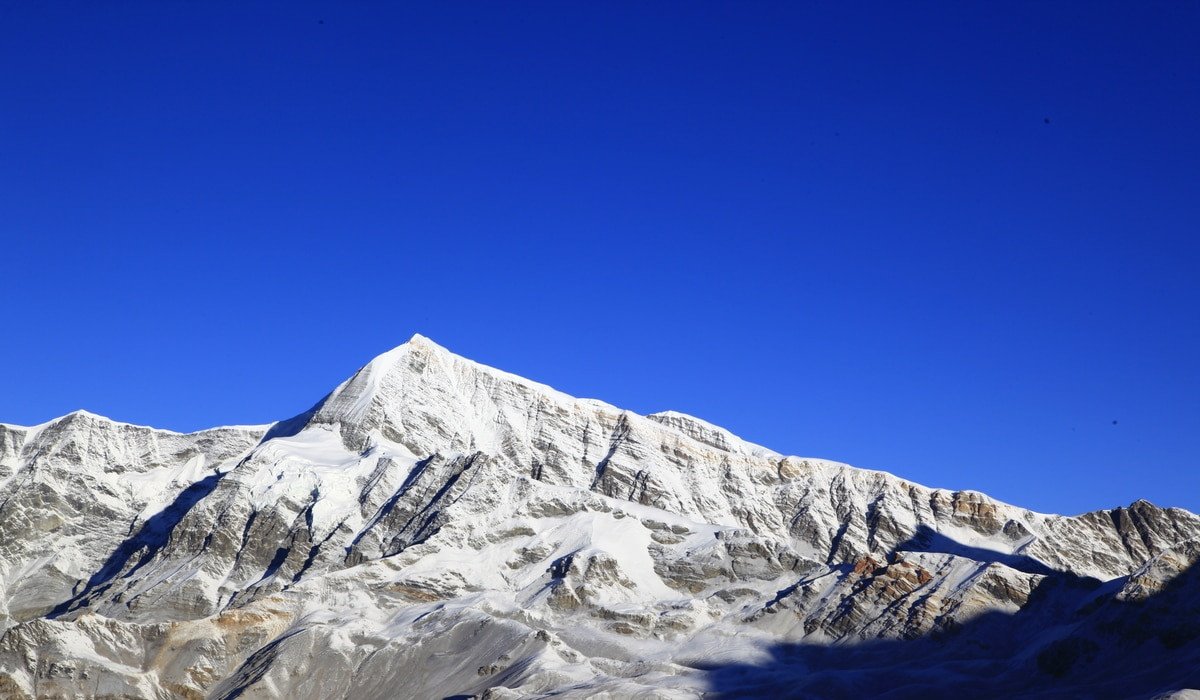
Chulu East Peak Climbing Experience in Nepal

Chulu east and far east Peak Climbing

Chulu East Peak is a 6,584-meter Himalayan summit in Nepal’s Annapurna region, and it is a very different undertaking from an ordinary trekking holiday. The route combines multi-day trekking, high-altitude acclimatization, glacier travel, steep snow or ice, technical equipment, and a summit day that can demand many hours of sustained effort.

The mountain stands in the Manang area near the Annapurna massif. Government mountaineering records list Chulu East at 6,584 meters, placing it well above the altitude where acclimatization, cold exposure, weather, rescue limitations, and expedition planning become serious concerns. The peak is often marketed as a “trekking peak,” but that label should not be mistaken for easy climbing.

A successful Chulu East trip depends less on dramatic summit-day determination and more on the decisions made beforehand: choosing an experienced operator, arriving with appropriate fitness, allowing enough time to acclimatize, understanding the route, carrying suitable equipment, watching the weather, and being willing to turn back.

This guide explains what the climb is really like, how a typical itinerary works, which permits and support are relevant, what skills are useful, how altitude affects the trip, and how to prepare responsibly for Chulu East in 2026.

Where Is Chulu East?

Chulu East is located in north-central Nepal in the wider Annapurna region. Access normally follows part of the Annapurna Circuit corridor through the Marsyangdi Valley toward Manang before leaving the main trekking route for the approach to the peak.

The journey itself is part of the experience. Lower elevations pass through villages, forests, river valleys, and agricultural landscapes before the terrain becomes increasingly dry, alpine, and high-altitude.

Unlike a climb that begins directly from a road-accessible base camp, Chulu East requires a trekking approach. That means climbers spend several days gaining altitude before they even begin the technical summit phase.

How High Is Chulu East?

Official Nepal mountaineering records list Chulu East at 6,584 meters. At this elevation, atmospheric pressure is far lower than at sea level, so every breath delivers less oxygen to the body.

The number is important because altitude changes the entire nature of the expedition. A person who is strong at 2,000 meters may move slowly at 5,500 meters. Sleep can become disrupted, appetite can fall, dehydration becomes easier, and ordinary tasks require more energy.

Fitness helps, but fitness does not prevent altitude illness.

Is Chulu East a Trek or a Climb?

It is both.

The approach is a Himalayan trek. The summit phase is a mountaineering objective that can involve:

  • crampons;
  • mountaineering boots;
  • ice axe;
  • harness;
  • roped travel;
  • fixed or running protection depending on conditions;
  • snow and glacier travel;
  • steep slopes;
  • very cold pre-dawn starts; and
  • long periods above 5,000 meters.

Route conditions change with snow, ice, temperature, wind, and the exact line selected by the climbing team. A climber should not assume that an itinerary from a previous season accurately describes this year’s technical conditions.

Who Is Chulu East Suitable For?

Chulu East is better suited to people who already have strong trekking fitness and at least some exposure to basic mountaineering skills. It is not a good place to discover for the first time that you dislike crampons, steep snow, cold bivouacs, or long days at altitude.

Useful prior experience includes:

  • multi-day trekking above 4,000 meters;
  • walking in mountaineering boots;
  • using crampons on snow and ice;
  • basic ice-axe handling;
  • wearing a climbing harness;
  • moving while roped to a team;
  • following fixed-rope instructions; and
  • managing personal clothing and hydration in very cold conditions.

Some operators provide pre-summit skills practice, but a brief lesson at base camp is not a substitute for broader mountain experience.

A Realistic Chulu East Itinerary

Exact routes vary, but a well-paced expedition usually includes a trekking approach, dedicated acclimatization, base camp or high camp, a summit attempt, and a return trek.

Days 1–2: Kathmandu and trip preparation

Many expeditions begin in Kathmandu with equipment checks, permit arrangements, guide meetings, and travel preparation. This is the time to discover missing crampons or unsuitable boots—not after reaching Manang.

Days 3–7: Trek into the Annapurna region

The team normally travels toward the Marsyangdi Valley and gradually gains altitude through villages on or near the Annapurna Circuit.

Modern road access has changed parts of the old circuit, so operators may use a combination of driving and trekking. The exact starting point affects acclimatization. Arriving too high too quickly simply to shorten the itinerary can be counterproductive.

Acclimatization around Manang

Manang is commonly used as an important acclimatization area because it allows climbers to spend time at significant altitude before moving toward Chulu East.

An acclimatization day is not a wasted day. It may include a controlled hike to a higher elevation followed by a return to sleep lower.

Approach to base camp

After leaving the main trekking corridor, the route becomes more expedition-like. Lodges may give way to camping, and supplies may need to be carried by staff or pack animals where terrain allows.

Base camp and training

Base camp is used for rest, route preparation, equipment checks, acclimatization, and technical practice.

A responsible guide may review:

  • crampon technique;
  • ice-axe use;
  • rope procedures;
  • ascending or descending fixed lines if used;
  • communication commands;
  • clipping and unclipping safely; and
  • summit-day turnaround procedures.

High camp

Many itineraries establish a higher camp to reduce summit-day vertical gain. Conditions can be basic and cold. Sleep is often limited, and climbers need to manage food, water, clothing, and equipment efficiently.

Summit day

Summit attempts commonly start well before sunrise. The early departure is intended to provide enough time for ascent and descent and to take advantage of more stable snow conditions where possible.

The summit is only halfway through the critical day. A large proportion of mountaineering accidents happen during descent when climbers are exhausted.

Do You Need a Permit?

Yes. Chulu East is a regulated climbing objective, and the expedition requires the appropriate mountaineering permit arranged through authorized channels.

The wider Annapurna approach also passes through the Annapurna Conservation Area, where entry permits apply. Nepal’s current trekking rules also require licensed guides and agency-issued TIMS documentation on specified Annapurna trekking routes under the revised system that took effect in 2023.

Permit systems and fees can change, so climbers should confirm the exact 2026 requirements with a registered Nepal trekking or mountaineering agency rather than using an old blog as a legal checklist.

ACAP and TIMS

The Annapurna Conservation Area Project operates a permit system for foreign visitors. The National Trust for Nature Conservation now provides online permit services for the conservation area.

The Nepal Tourism Board’s current TIMS guidance states that the Annapurna Circuit and several related routes fall under the revised guide-and-TIMS framework. Because a Chulu East expedition uses the Annapurna corridor and also involves climbing authorization, the operator should explain exactly which documents apply to the planned route.

Why a Licensed Guide Matters

A qualified guide contributes far more than route finding.

Good expedition leadership includes:

  • monitoring acclimatization;
  • assessing snow and route conditions;
  • coordinating permits and logistics;
  • checking equipment;
  • organizing camps;
  • setting turnaround times;
  • managing rope systems;
  • responding to illness or injury;
  • communicating with support teams; and
  • making conservative decisions when conditions deteriorate.

Ask who will actually lead the climbing section, not only which company sells the package.

Best Seasons for Chulu East

The main Himalayan climbing seasons are generally spring and autumn.

Spring

March through May can offer improving temperatures and a long-established climbing season, though snow conditions and afternoon weather can vary significantly.

Autumn

September through November often brings relatively stable post-monsoon weather and clear mountain views. Later autumn can become much colder.

Winter and monsoon climbing involve additional challenges and are not suitable simply because an operator offers a lower price.

Altitude Acclimatization

Altitude illness can affect anyone. It is not a sign of weakness and cannot be reliably prevented by being young or fit.

Early symptoms of acute mountain sickness may include:

  • headache;
  • nausea;
  • dizziness;
  • unusual fatigue;
  • poor sleep; and
  • loss of appetite.

More serious altitude illnesses can affect the brain or lungs and can become life-threatening.

The most important response to worsening altitude illness is not “push through.” Guides must be prepared to stop ascent and descend when necessary.

Fitness Preparation

Chulu East rewards endurance more than short bursts of gym strength.

A training program can include:

  • long uphill hiking;
  • stairs or hill repeats;
  • steady cardiovascular training;
  • lower-body strength;
  • core stability;
  • carrying a loaded daypack;
  • back-to-back training days; and
  • mobility and recovery.

Training should begin months rather than days before departure.

Technical Skills to Practice

Climbers should be comfortable with the equipment before summit day.

Useful skills include:

  • putting on crampons with gloves;
  • walking efficiently on moderate snow slopes;
  • using an ice axe for balance;
  • moving on a rope team;
  • using an ascender if the route employs fixed ropes;
  • operating carabiners with cold hands;
  • managing layers without exposing skin for long; and
  • packing a summit bag in darkness.

Essential Personal Equipment

The operator should provide an exact list. Typical personal equipment may include:

  • properly fitted mountaineering boots;
  • compatible crampons;
  • climbing harness;
  • helmet;
  • ice axe;
  • locking and non-locking carabiners as specified;
  • ascender or descender where required;
  • trekking poles;
  • warm base and mid layers;
  • insulated jacket;
  • waterproof shell;
  • high-quality gloves and mittens;
  • warm hat and sun hat;
  • mountain sunglasses and goggles;
  • headlamp with spare batteries;
  • sleeping bag rated for expected temperatures;
  • water bottles or insulated containers; and
  • personal medications and first-aid items.

Boot Fit Can Make or Break the Trip

New mountaineering boots should be fitted and tested before Nepal. Poor fit can cause blisters, numb toes, heel lift, or cold-related problems.

Use the socks and insoles you intend to wear on the expedition when checking fit.

Weather and Turnaround Decisions

Summit success is never guaranteed. Strong wind, fresh snow, unstable slopes, visibility, cold, illness, equipment problems, or slow progress can end an attempt.

A professional team establishes a turnaround time. If the group has not reached a safe point by that time, it descends even if the summit looks close.

Turning around is not failure. It is mountaineering judgment.

Rescue and Insurance

High-altitude rescue in Nepal can be expensive and logistically difficult. Insurance should explicitly cover:

  • trekking and mountaineering to the maximum planned altitude;
  • helicopter evacuation where medically necessary;
  • hospital treatment;
  • trip interruption;
  • climbing activities rather than ordinary hiking only; and
  • the specific country and expedition type.

Do not assume a standard travel policy covers climbing above 6,000 meters.

Food, Water, and Hydration

Appetite often decreases with altitude, but climbers still need energy.

During the trekking phase, tea houses can provide substantial meals. Higher camps may rely on simpler expedition food.

Hydration requires planning because water may need to be boiled, filtered, or chemically treated. In freezing conditions, bottles can freeze during the night or summit attempt.

What Makes Chulu East Memorable?

The attraction is not only the final summit photograph.

The route combines:

  • the cultural landscape of the Annapurna Circuit;
  • the dramatic Marsyangdi Valley;
  • Manang’s high-altitude environment;
  • views toward Annapurna II, III, IV, Gangapurna, and surrounding peaks;
  • the transition from trekking to expedition camps;
  • technical climbing skills; and
  • the experience of moving above 6,000 meters.

For many climbers, the strongest memories come from the approach, team relationships, sunrise over the mountains, or the decision-making required on difficult days rather than the summit alone.

Responsible Trekking and Climbing

The Annapurna region receives large numbers of visitors, so climbers should minimize their impact.

Good practices include:

  • carrying out non-biodegradable waste;
  • using refillable water systems where practical;
  • following local waste instructions;
  • respecting villages and religious sites;
  • avoiding unnecessary single-use plastics;
  • not leaving damaged equipment at camps;
  • using toilets and sanitation systems responsibly; and
  • supporting locally employed guides, porters, and businesses fairly.

Questions to Ask a Chulu East Operator

  • Who is the climbing leader?
  • What certifications and experience does the guide have?
  • How many Chulu East expeditions has the team operated?
  • What is the maximum climber-to-guide ratio?
  • Which permits are included?
  • How many acclimatization days are built in?
  • Is a contingency day included?
  • What technical equipment is provided?
  • What must I bring personally?
  • How is emergency communication handled?
  • What is the evacuation procedure?
  • What happens if weather prevents a summit attempt?
  • How are staff insured and equipped?
  • What is included at base and high camp?

Useful Official Resources

Final Thoughts

Chulu East is a serious Himalayan climb wrapped inside one of Nepal’s great trekking landscapes. Its 6,584-meter altitude, technical summit terrain, expedition logistics, and long approach make it far more demanding than an ordinary Annapurna trek.

The best preparation is conservative: train well, arrive with basic mountaineering skills, choose a reputable operator, acclimatize gradually, carry appropriate insurance, understand current permits, and accept that weather or health may require a turnaround.

Reaching the summit can be extraordinary, but a successful expedition is one in which the team manages risk responsibly and returns safely. The mountain will still be there if conditions say no.

Leave a Reply

Reading is essential for those who seek to rise above the ordinary.

MyArticles

Welcome to MyArticles, an author-oriented website. A place where words matter. Discover without further ado our countless community stories.

Build great relations

Explore all the content from MyArticle community network. Forums, Groups, Members, Posts, Social Wall and many more. You can never get tired of it!

Become a member

Get unlimited access to the best stories and articles on MyArticles, support our lovely authors and share your stories with the World.