
0
Why the United States Entered World War I
Why did the United States enter World War I in 1917? Explore neutrality, the Lusitania, unrestricted submarine warfare, the Zimmermann Telegram, Wilson’s war aims and the congressional declaration of war.
Explore history through articles on important events, people, movements, conflicts, ideas, and turning points that shaped societies around the world. This category looks beyond dates to examine causes, consequences, historical context, and the lasting influence of the past on the present.
Why did the United States enter World War I in 1917? Explore neutrality, the Lusitania, unrestricted submarine warfare, the Zimmermann Telegram, Wilson’s war aims and the congressional declaration of war.
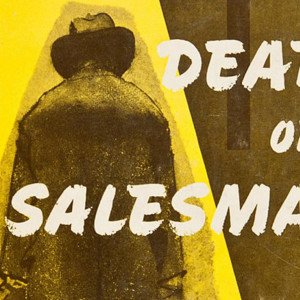
Arthur Miller’s Death of a Salesman is not simply the story of a salesman who fails. It is a tragedy about a man who builds his identity around an idea of success that can no longer sustain him. Willy Loman believes that personality, popularity, and being “well liked” should lead naturally to prosperity. When his […]

Ursula K. Le Guin’s The Ones Who Walk Away from Omelas is one of the clearest modern thought experiments about the moral cost of collective happiness. The city of Omelas appears prosperous, joyful, educated, artistic, and free from many of the forms of domination that readers associate with dystopian societies. Yet the entire social order […]

The anti-globalization movement is often described as a movement “against globalization,” but that label hides more than it explains. Many of the activists, unions, environmental groups, development organizations, farmers’ movements, and civil-society networks associated with it did not oppose all international trade, migration, technology, or cross-border cooperation. Their central argument was that globalization should not […]
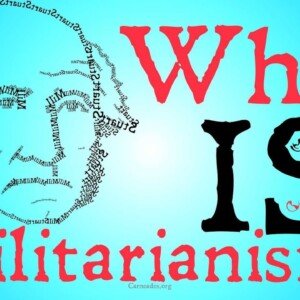
Utilitarianism is an ethical theory that judges actions primarily by their consequences for overall well-being. In its classical form, the morally preferable action is the one expected to produce the greatest net balance of happiness or benefit over suffering or harm for everyone affected. This makes Utilitarianism a form of consequentialism: the ethical value of […]
Compare the history of U.S. corrections with corrections today, from colonial punishment and early penitentiaries to prisons, jails, probation, parole, rehabilitation, reentry, and current BJS statistics.
Welcome to MyArticles, an author-oriented website. A place where words matter. Discover without further ado our countless community stories.
Explore all the content from MyArticle community network. Forums, Groups, Members, Posts, Social Wall and many more. You can never get tired of it!
Get unlimited access to the best stories and articles on MyArticles, support our lovely authors and share your stories with the World.
