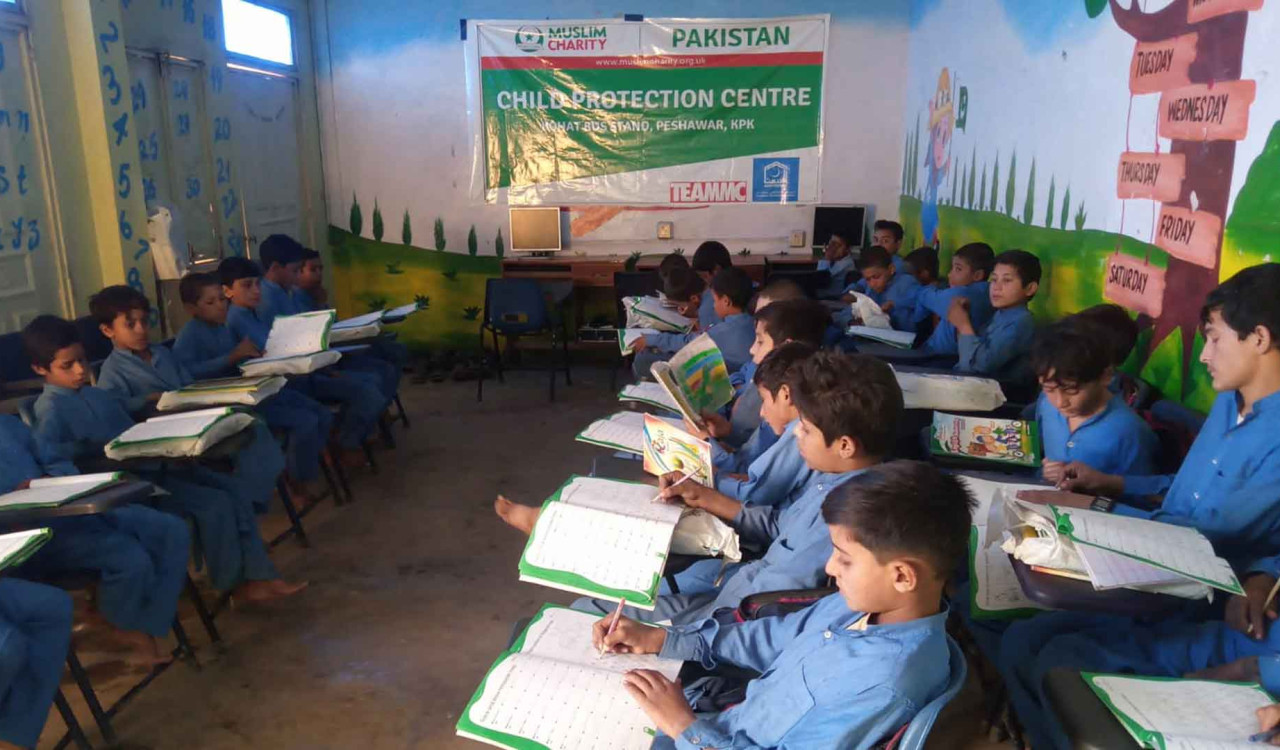
A masjid is more than a building where Muslims gather for the five daily prayers. In many communities, it is also a place for Qur’an learning, children’s education, Ramadan programs, marriage services, funeral support, charity coordination, counseling, community meetings, and practical help during times of hardship. That is why donating to a mosque can have an impact that extends well beyond construction. A contribution may help fund a new prayer space, repair an existing building, provide clean water and sanitation, support accessibility, pay utility costs, maintain educational programs, or help a community establish a safe place for worship where none currently exists. Islamic tradition also places special value on helping establish places of worship. Authentic hadith reports state that whoever builds a mosque for Allah, seeking His pleasure, will have a house built for them in Paradise. The spiritual reward is important, but responsible giving also requires practical questions: Who is managing the project? Is the land secure? Are costs transparent? Will the mosque be maintained after construction? Does the community genuinely need the building? This guide explains why Muslims donate to masajid, how mosque donations support communities, what to check before contributing, how construction projects differ from ongoing mosque support, and how to give in a way that is both spiritually meaningful and responsibly managed.
Why the Masjid Matters in Muslim Community Life
The mosque has always held a central place in Muslim communal life. Its primary purpose is worship, but historically mosques have also functioned as places of learning, consultation, public service, and social connection. In a modern community, a well-run masjid may provide: five daily prayers; Jumu’ah prayers; Ramadan and Eid activities; Qur’an classes; Islamic education for children and adults; marriage and family support; funeral and bereavement services; youth programs; women’s programs; new-Muslim support; food distribution; emergency assistance; community outreach; and; space for local Muslim organizations to meet. In places where Muslims are geographically dispersed or economically disadvantaged, one functioning mosque can support several nearby villages or neighborhoods.
The Islamic Encouragement to Build Mosques
One of the most frequently cited teachings about mosque construction comes from authentic hadith. In Sahih al-Bukhari and Sahih Muslim, the Prophet Muhammad ﷺ is reported to have said that whoever builds a mosque for Allah will have a house built for them in Paradise. The meaning is not that a donor must personally finance an entire mosque. Islamic scholars commonly discuss participation according to one’s ability, and collective contributions are a normal way communities establish masajid. The intention matters. Charitable giving in Islam is not supposed to be a performance for status or praise. A donor can contribute quietly, collectively, or in memory of a loved one while seeking reward from Allah.
Is Donating to a Mosque Sadaqah Jariyah?. A mosque project is often described as sadaqah jariyah, or ongoing charity, because the benefit can continue for years. As people pray, learn, teach, read Qur’an, and serve the community in the building, the donor may hope for continuing reward. However, donors should avoid turning the concept into a guaranteed commercial formula. Reward ultimately belongs to Allah, and the quality of the intention, legitimacy of the project, and actual benefit matter. A mosque that cannot be completed, is built on disputed land, lacks maintenance funding, or is placed where there is little need may not create the same practical benefit as a carefully planned project.
How Donations Strengthen Worship and Community Life
A mosque donation can create value far beyond the construction itself when the project is planned around the people who will actually use the space. Prayer facilities may be the most visible purpose, but a functioning masjid can also support Qur’an education, youth mentoring, family programs, funeral coordination, charitable distribution, community meetings, and pastoral support. The strongest projects therefore budget for safe access, utilities, sanitation, maintenance, appropriate spaces for women and families, and accessibility for older people and worshippers with disabilities rather than treating the building shell as the entire mission. Donors should also distinguish between a community that genuinely lacks suitable prayer space and one where existing facilities mainly need repairs, rent support, better management, or expanded programming. Building a new mosque is not automatically more beneficial than sustaining a well-used one. In some communities, funding a roof replacement, heating system, accessible entrance, classroom, water supply, or imam’s salary may create more immediate and durable benefit than beginning another construction project that cannot be maintained after completion. 1. Mosque Donations Create Access to Congregational Worship. In some communities, the nearest mosque may be far away or too small for the population it serves. People may pray in temporary structures, rented rooms, outdoor spaces, or buildings that provide little protection from heat, rain, or cold. Funding can help provide:
a safe prayer hall; adequate ventilation; wudu facilities; toilets; lighting; clean flooring; roofing; water access; secure entrances; and; appropriate spaces for women and families. When evaluating a donation for masjid campaign, donors should look beyond photographs and ask what the completed building will actually provide. 2. A Masjid Can Support Islamic Education. Many mosques host regular Qur’an and Islamic-studies classes. In communities without dedicated Islamic schools, the masjid may be one of the few places where children can learn: Qur’an recitation; basic Arabic; salah; Islamic manners; seerah; aqeedah and fiqh appropriate to the community; Ramadan practices; and; the meaning of Muslim identity.
Adults may attend tafsir, hadith, Qur’an, marriage, parenting, or personal-development classes. Education requires more than a building. A sustainable project needs teachers, materials, safeguarding procedures, scheduling, and ongoing operating funds. 3. Mosques Strengthen Social Connection. Loneliness and isolation affect Muslims too. A local mosque gives people regular opportunities to see one another beyond work and family obligations. This can be especially valuable for: elderly people; new Muslims; students living away from family; recent immigrants; people experiencing bereavement; families new to an area; and; people with limited social support. A mosque cannot solve every social problem, but regular congregational life can make it easier for communities to notice when someone needs help. 4. Masajid Can Coordinate Local Charity. Many mosques act as trusted local points for identifying families in need. Activities may include: food parcels; zakat distribution; emergency rent support; winter clothing; Ramadan meals; school supplies; refugee support; funeral assistance; and; referrals to specialist services.
Good governance is important because zakat and general sadaqah can have different rules and restrictions. A mosque should keep restricted charitable funds separate where required. 5. Mosques Provide Space for Major Life Events. A community may rely on the masjid for: nikah ceremonies; Janazah prayers; funeral preparation coordination; newborn celebrations; Ramadan iftar; Eid planning; community condolences; and; religious counseling. These services make the mosque a place connected with both joy and hardship. 6. Mosque Projects Can Improve Basic Infrastructure. In low-resource areas, mosque construction may involve infrastructure that benefits the wider community. Depending on the project, this can include: a borehole or reliable water supply; sanitation; solar power; drainage; access pathways; boundary walls; lighting; and; community classrooms.
Donors should ask whether these facilities are included in the stated project cost or require separate fundraising. 7. A Mosque Can Support Youth Development. Young Muslims need places where they can build friendships, ask questions, and participate in community life without feeling that the mosque is only for adults. Useful youth programs may include: Qur’an circles; sports; mentoring; career sessions; volunteering; leadership programs; study support; mental-health awareness; and; community service. A building designed with multipurpose space may support these activities far better than a prayer hall that has no room for anything else. 8. Women’s Access Should Be Considered. Mosque planning should consider whether women have safe, dignified, and practical access. That may involve: a suitable prayer area; appropriate entrances; wudu facilities; toilets; privacy; hearing access to sermons; space for mothers with children; and; educational programming.
Donors can ask how the project has considered the whole community rather than only the largest prayer space. 9. Accessibility Matters. Older worshippers and people with disabilities can be unintentionally excluded if accessibility is ignored. Good design may include: ramps; handrails; accessible toilets; step-free entrances; appropriate door widths; seating for people unable to stand for long; and; safe pathways. It is usually easier and cheaper to design accessibility into construction from the beginning than to retrofit it later. 10. Supporting an Existing Mosque Can Be as Important as Building a New One. Construction campaigns are visually compelling, but an existing mosque may urgently need: roof repair; electrical work; water-system repair; new carpets; security improvements; accessibility upgrades; heating or cooling; fire-safety work; classroom repairs; or; debt reduction. Sometimes improving an existing mosque creates more benefit per donated pound or dollar than starting another building.
Before Donating, Verify the Charity or Mosque
Where a mosque operates as a registered charity, donors can also look for basic governance signals: an identifiable legal entity, current trustees, published accounts where required, clear project descriptions, and a traceable payment method. The UK Charity Commission’s guidance for trustees of faith charities stresses due diligence, safe handling of funds, and verification that money sent to projects or partner organizations is actually used for the intended charitable purpose. Those principles are useful even outside the UK because they translate religious generosity into accountable stewardship. Good intentions do not remove the need for due diligence. Check: legal registration; charity registration where applicable; official website and contact details; annual reports; financial statements where available; project updates; trustee or board information; fundraising policies; complaints procedures; and; independent regulatory records.
In the UK, donors can use the Charity Commission register to check registered charities in England and Wales. Ask Whether the Land Is Secure. Land disputes can stop a mosque project even after construction has begun. Before funding a large building project, responsible organizations should confirm: who owns the land; whether title is clear; whether the mosque has legal permission to build; whether planning approvals are required; whether the land is protected from private resale; and; what entity will own the completed building. Donors do not need to become property lawyers, but the charity should be able to explain its due-diligence process. Ask How the Site Was Chosen. Need should be demonstrated. A mosque-building charity may assess: Muslim population; distance to the nearest mosque; condition of existing facilities; community income; land availability; local leadership; expected number of worshippers; ability to maintain the building; and; security and political conditions. A strong project is driven by community need, not simply by the availability of cheap land. Construction Costs Should Be Explained Clearly. A mosque fundraiser may quote one headline amount, but donors should understand what it covers. Possible cost components include:
- land;
- architectural design;
- permits;
- foundations;
- structure;
- roof;
- plumbing;
- electrical work;
- wudu facilities;
- toilets;
- flooring;
- doors and windows;
- sound system;
- furniture;
- water supply;
- solar power;
- boundary wall;
- professional fees;
- contingency; and
- local taxes or transport.
Costs also change with country, inflation, materials, size, labor, and site conditions. Do not assume a fixed amount quoted in an old campaign is still accurate in 2026. How Will the Mosque Be Maintained?. A completed mosque has ongoing costs: electricity; water; cleaning; repairs; imam or teacher support; security; insurance where applicable; equipment replacement; and; administration. A sustainable project needs a local management plan. Ask who will be responsible after the construction charity leaves. What Is the Difference Between General Mosque Donations and a Specific Construction Fund?. A general mosque donation may be used across operating needs according to the organization’s policies. A restricted construction donation is intended for a specific building purpose. If a charity says funds are restricted, it should explain what happens if: the project is fully funded; construction becomes impossible; costs are lower than expected; the location changes; or; the project is delayed for years. Read the donation terms.
Can Zakat Be Used to Build a Mosque?
This is a fiqh question on which donors should seek guidance from a qualified scholar they trust. Many scholars distinguish zakat recipients from general charitable projects and do not treat mosque construction as an ordinary zakat category. If you intend your payment to be zakat rather than sadaqah, do not assume a mosque-building campaign is automatically eligible. Check the charity’s zakat policy and appropriate scholarly guidance. Sadaqah Is More Flexible. Voluntary sadaqah can generally be directed toward a wider range of beneficial projects, including mosque construction and maintenance. Many mosque campaigns are therefore funded from general charitable donations rather than zakat. Donating in Memory of Someone. Families often make mosque contributions on behalf of deceased relatives as a form of ongoing charity. This can be spiritually meaningful and may provide comfort. A charity should not pressure grieving families with exaggerated promises. The focus should remain on sincere giving and real community benefit. Small Donations Matter. You do not need to finance an entire mosque. A small recurring donation may contribute toward: cement; bricks; roofing; water facilities; carpet; lighting; Qur’ans; maintenance; or; educational programs.
Collective giving is how many community institutions are built. Recurring Donations Can Support Stability. Monthly donations are particularly useful for operating costs because they are predictable. A mosque can budget more responsibly when it knows that a portion of: utilities; cleaning; teacher salaries; youth programs; repairs; and; community support. is covered by regular contributions. Give Without Creating Harmful Dependency. International mosque projects should involve local communities rather than treating them as passive recipients. Good practice may include: local consultation; local labor; locally appropriate materials; community ownership; training local management; maintenance planning; and; avoiding designs that are too expensive to operate. A simple mosque that a village can maintain may be more beneficial than an elaborate building whose electricity and repairs become unaffordable.
Transparency Builds Trust
Transparency is especially important for restricted appeals. If donors are told that money is for land, construction, a roof, a classroom, an imam’s salary, food assistance, or another defined purpose, the organization should record and report that restriction accurately rather than treating all incoming money as interchangeable. Good governance does not weaken the spiritual value of giving; it protects the donor’s intention, helps trustees make better decisions, and makes it easier for a mosque to build long-term trust with the community.
A good project should provide updates showing: fundraising progress; construction stages; major delays; changes in budget; completion; community use; and; where practical, photos or documentation. Transparency should continue after the fundraising page closes. Beware of Emotional Pressure. Religious fundraising can become manipulative when it implies that donors who do not contribute are spiritually inferior or that a specific financial gift guarantees a particular worldly outcome. Healthy fundraising explains the need, the project, and the Islamic motivation while leaving the donor free to choose. How Mosque Donations Support Communities in Practice. When you make a donation for masjid, the practical impact depends on the organization and project. A well-managed donation can contribute to permanent prayer facilities, education, community gathering space, and services that continue for years. Before donating, check the charity’s current project information rather than relying on old statistics about how many mosques it has built or old construction prices. Project counts and costs change over time.
A Donor Checklist
Before contributing to a mosque project, ask: Is the organization legitimate and registered?; Where exactly is the mosque being built?; How was the community need assessed?; Who owns the land?; Are building approvals in place?; What does the budget include?; Is my donation restricted to this project?; What happens if the project is overfunded?; Who will manage the mosque?; How will ongoing costs be paid?; Will women and people with disabilities have appropriate access?; Will donors receive completion updates?. Other Ways to Support a Mosque. Money is not the only contribution. You can also: volunteer; teach; help with cleaning; mentor young people; provide professional skills; support governance; help with fundraising administration; organize food programs; support elderly worshippers; help with accessibility; or; assist new Muslims. A thriving masjid depends on people as much as a building.
Conclusion
Donating to a masjid can combine spiritual intention with long-term community benefit. A functioning mosque gives Muslims a place to pray together, learn, teach children, support families, gather during Ramadan and Eid, care for the bereaved, organize charity, and maintain a shared religious life. The strongest mosque donation is not necessarily the largest. It is one given sincerely to a project that is genuinely needed, responsibly governed, financially transparent, legally secure, and sustainable after construction. Verify the charity. Understand what the money will fund. Ask about land, maintenance, accessibility, and community ownership. If you are donating zakat, check the relevant fiqh separately. If you are giving sadaqah, choose a project where the benefit is likely to continue. A beautiful masjid is not only defined by its architecture. Its real value is found in the worship, learning, service, mercy, and community life that continue inside it long after the fundraising campaign ends.