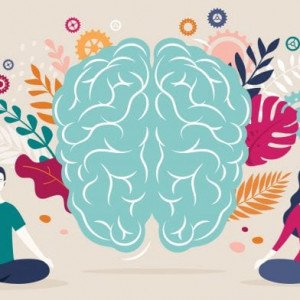
Yoga and Meditation – Physical Benefits, Mental Wellness, Training, and Daily Practice

Yoga and meditation can support physical fitness, stress management, body awareness, and mental well-being when practiced appropriately. They are not cures for every health condition, and the evidence varies by outcome, style of yoga, population, and study quality. A responsible approach combines the traditional practices with realistic expectations and appropriate medical guidance. The U.S. National […]

How Holistic Health Coaches Use Mindfulness to Reduce Anxiety

Mindfulness can be a useful part of an anxiety-management plan, but it should be presented accurately. Current evidence from the U.S. National Center for Complementary and Integrative Health (NCCIH) suggests that mindfulness-based practices may reduce anxiety symptoms for some people, yet results vary and mindfulness is not a universal replacement for psychotherapy, medication, or other […]

0

Depression in Teenagers and Young People Symptoms Assessment Therapy Medication and When to Get Help

Depression in teenagers can appear as persistent sadness, irritability, withdrawal, loss of interest, sleep or appetite changes, poor concentration and hopelessness. This evidence-based guide explains assessment, depression screening, CBT and interpersonal therapy, antidepressant medication, monitoring for suicide risk, family and school support, common coexisting conditions and when urgent help is needed. It is general education, not an individualized treatment plan.

0

Understanding Grief Normal Bereavement Prolonged Grief and How Nurses Can Help

Grief after a death can include sadness, yearning, anger, numbness, guilt, sleep changes and temporary difficulty concentrating. There is no single correct timeline. This evidence-based guide explains normal bereavement, prolonged grief disorder, the difference between grief and depression, helpful support and the role nurses can play without pathologizing a normal human response.

0

How Digital Media Affects the Brain Attention Sleep Memory Learning and Mental Health

Digital media does not simply make the brain better or worse. Its effects depend on what people do online, how long and when they use devices, age, sleep, social context and individual vulnerability. This evidence-based guide explains attention, memory, learning, social media, sleep, adolescent development and practical ways to use technology more intentionally.

0

How Technology Affects Happiness and Wellbeing

Technology can increase happiness when it helps people maintain relationships, access information, solve practical problems, find communities, and use time more efficiently. The same technology can reduce well-being when it fragments attention, disrupts sleep, intensifies social comparison, or turns every free moment into another opportunity for stimulation. The relationship is therefore not simply “technology is […]

0

Separation Anxiety Disorder Case Study in an Adolescent

This case study is best understood as an exercise in diagnostic reasoning rather than as a definitive diagnosis based on a short scenario. Separation anxiety disorder can occur in adolescents and adults, but symptoms must be assessed carefully in relation to duration, severity, developmental context, impairment, safety, and other possible explanations. The DSM-5-TR provides the […]

Reading is essential for those who seek to rise above the ordinary.

MyArticles

Welcome to MyArticles, an author-oriented website. A place where words matter. Discover without further ado our countless community stories.

Build great relations

Explore all the content from MyArticle community network. Forums, Groups, Members, Posts, Social Wall and many more. You can never get tired of it!

Become a member

Get unlimited access to the best stories and articles on MyArticles, support our lovely authors and share your stories with the World.