Yoga and meditation can support physical fitness, stress management, body awareness, and mental well-being when practiced appropriately. They are not cures for every health condition, and the evidence varies by outcome, style of yoga, population, and study quality. A responsible approach combines the traditional practices with realistic expectations and appropriate medical guidance. The U.S. National Center for Complementary and Integrative Health (NCCIH) says research suggests yoga may support general wellness by helping with stress management, sleep, balance, mental and emotional health, and healthy habits. Evidence also suggests potential benefit for some conditions such as low-back pain, neck pain, and knee-osteoarthritis symptoms. Meditation and mindfulness may help some people manage stress, anxiety, depression symptoms, and sleep problems.
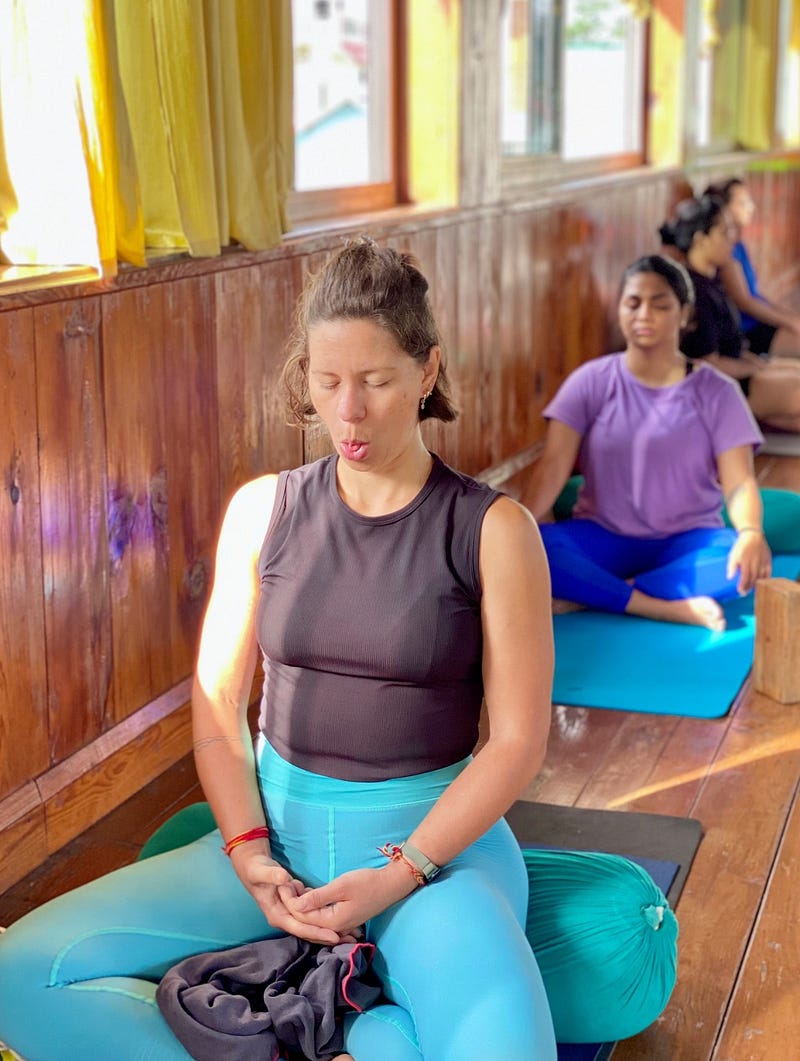
Modern yoga classes often emphasize: Physical postures; Breathing practices; Relaxation; and Meditation. Traditional yoga is broader than exercise alone and has philosophical and spiritual dimensions rooted in Indian traditions. Different styles can be very different physically. A restorative class may involve slow supported poses, while vigorous vinyasa or ashtanga practice can be demanding exercise. Flexibility. Many yoga postures move joints through controlled ranges and gradually lengthen muscles and connective tissues. Regular practice can improve flexibility, especially when movements are progressed gradually rather than forced. Balance. Standing poses and controlled transitions challenge balance. NCCIH notes that studies have found improvements in balance in several populations. Strength. Body-weight poses can strengthen: Legs; Core; Shoulders; Back; and Arms. The amount of strength training depends heavily on the style and sequence.

Mobility and body awareness. Yoga can help people become more aware of posture, breathing, movement habits, and areas of stiffness. That awareness may encourage healthier movement outside the class. Yoga for low-back pain. NCCIH reports evidence suggesting yoga may provide a small benefit for low-back pain. That does not mean every pose is appropriate for every back condition. People with: Recent injury; Severe pain; Numbness; Weakness; and Post-surgical restrictions. should speak with a healthcare professional before beginning or modifying exercise. Yoga and arthritis. Gentle yoga may help some people with knee-osteoarthritis symptoms and movement confidence. Useful modifications can include: Blocks; Chairs; Straps; Reduced depth; and Shorter holds.
Pain should not be treated as proof that a pose is “working.” Yoga and stress. Yoga combines physical movement with breathing and attention, which can make it useful for stress management. NCCIH reviews have found beneficial effects on perceived stress in multiple studies, although study designs and yoga styles vary. For stress reduction, consistency may matter more than intensity. A gentle 20-minute routine practiced several times a week may be more sustainable than an occasional exhausting class. Yoga and sleep. Research suggests yoga may help improve sleep quality in some groups. NCCIH also emphasizes an important distinction: evidence for improved sleep quality is not the same as strong evidence that yoga treats clinical insomnia. People with chronic insomnia should discuss evidence-based treatment such as cognitive behavioral therapy for insomnia (CBT-I) with a qualified healthcare professional.
What meditation is
Meditation is not one single technique. Common forms include: Mindfulness meditation; Focused-attention meditation; Loving-kindness practices; Mantra-based practices; Body scans; and Breath awareness. Many techniques train the ability to notice thoughts, sensations, or emotions without reacting automatically. Meditation and stress. NCCIH says mindfulness-based practices may help reduce stress and symptoms of anxiety or depression for some people. Benefits are usually developed through repeated practice rather than one dramatic session. A beginner can start with: Sit comfortably; Choose a simple point of attention, such as breathing; Notice when attention wanders; Return gently to the breath; and Continue for 5–10 minutes. Meditation and sleep. Some research suggests mindfulness meditation can improve sleep quality or insomnia symptoms, although results are not uniform and established treatments may work as well or better for diagnosed sleep disorders.
Meditation should be viewed as a supportive practice rather than a guaranteed sleep cure. Meditation and anxiety. Mindfulness can help some people notice anxious thoughts without becoming as entangled in them. However, meditation is not a replacement for professional treatment when anxiety is severe, persistent, or disabling. People experiencing panic, trauma-related symptoms, or worsening mental health during meditation should seek qualified support. Yoga can prepare the body for stillness, while meditation develops attention without requiring physical exertion. A combined routine might include: 5 minutes gentle breathing; 20–30 minutes yoga; 5–15 minutes seated meditation; and Short relaxation. There is no requirement to follow this exact structure. How often should you practice? For general wellness, consistency is more useful than chasing a perfect schedule.
Beginners might start with: Two or three yoga sessions each week; 5–10 minutes of meditation most days; and Short mobility or breathing practices between sessions. Increase gradually according to comfort and goals. NCCIH says yoga is generally considered safe for healthy people when practiced appropriately and under the guidance of a qualified instructor. Sprains and strains can occur. Risk can increase when students: Force extreme ranges of motion; Ignore pain; Attempt advanced inversions without preparation; Practice in excessive heat; and Copy poses that are not suitable for their health condition. Who should seek medical advice first? Professional guidance is sensible if you are: Pregnant; Recovering from surgery; Managing significant osteoporosis; Living with cardiovascular disease; Experiencing neurological symptoms; Managing uncontrolled blood pressure; and Recovering from a serious injury.
Modifications can often make practice possible, but they should be individualized. Yoga during pregnancy. NCCIH says yoga can be safe during pregnancy with appropriate precautions, but some practices need modification. Pregnant students should: Discuss exercise with their healthcare professional; Avoid overheating; Tell the instructor they are pregnant; Modify positions as pregnancy progresses; and Avoid movements specifically contraindicated for their situation. Hot yoga. Heated yoga creates additional heat stress and dehydration risk. It is not necessary for gaining ordinary yoga benefits. People with medical conditions or pregnancy should get appropriate medical advice before using heated classes. How to choose a yoga teacher. A good instructor should: Encourage modifications; Respect pain and limitations; Explain alignment clearly; Avoid forcing students physically; and Stay within their professional scope. A yoga teacher is not automatically a doctor, physiotherapist, mental-health professional, or dietitian.
What is a 200-hour yoga teacher training?
A 200-hour program is a common foundational teacher-training format. Yoga Alliance says its RYS 200 curriculum framework includes four broad educational categories: Techniques, Training and Practice; Anatomy and Physiology; Yoga Humanities; and Professional Essentials. A person who completes a 200-hour training with a Yoga Alliance Registered Yoga School can apply for the RYT 200 credential, subject to Yoga Alliance’s current requirements. A certificate and an RYT credential are not exactly the same. Completing a school’s course gives you the school’s completion certificate. Registering as RYT 200 with Yoga Alliance is a separate process. Do not assume that every 200-hour course automatically makes a graduate a registered teacher. If you are considering a 200 hour Yoga Teacher Training in India, compare the school on more than location and price. Check: Current school registration and credentials; Lead trainers; Curriculum; Daily schedule; Class size; Anatomy teaching; Teaching practicum; Accommodation; Refund policy; and Independent student reviews.

Why Rishikesh attracts yoga students. Rishikesh has a long association with yoga, ashrams, spiritual study, and international teacher training. The immersive setting can be valuable because students temporarily step away from ordinary routines and spend many hours each day on practice and study. That intensity can also be physically and mentally demanding. Review the timetable carefully before enrolling. Do not rely on unverified “government approved” claims. Yoga schools may use terms such as: Certified; Accredited; Internationally recognized; and Government approved. These phrases can refer to different organizations. Ask: Which body issued the credential?; Is the registration current?; and Can it be verified in an official directory? Teacher training is not only about advanced poses. A good program should teach future instructors to: Sequence classes; Communicate safely; Recognize limitations; Offer modifications; Manage a class; and Respect professional boundaries.
Being able to perform a difficult posture does not automatically make someone an effective teacher. Anatomy matters. Teachers should understand basic movement, joints, common limitations, and how to avoid inappropriate claims. Teacher training should not encourage students to diagnose injuries or promise medical cures. Teaching practice matters. Students learn by actually teaching. A useful practicum includes: Planning a sequence; Giving verbal cues; Observing students; Offering options; and Receiving feedback. You do not need teacher training to benefit from yoga. A simple daily practice can include: 5 minutes breathing; 10 minutes mobility; 10–20 minutes poses; and 5 minutes relaxation or meditation. Adjust the routine to your body and schedule. Common mistakes beginners make. Important elements include Comparing flexibility with other students; Ignoring pain; Practicing too intensely too soon; Believing every wellness claim online; Choosing a teacher based only on social-media appearance; and Assuming meditation must immediately stop all thoughts.
How to measure progress. Progress can mean: Better balance; More comfortable movement; Improved consistency; Less stress reactivity; Improved sleep quality; and Greater body awareness. It does not need to mean deeper backbends or advanced inversions. When meditation feels difficult. Difficulty is normal. If your mind wanders: Notice it; Do not treat it as failure; and Return to the chosen focus. The repeated return is part of the practice. How to choose between a yoga class and teacher training. Teacher training is not necessary for most people who simply want to practice yoga safely. If your goal is flexibility, stress management, movement, or meditation, a regular beginner or intermediate class may be more appropriate and much less expensive. Consider teacher training when you want a structured long-form study of practice, anatomy, philosophy, teaching methods, and professional responsibilities.
A 200-hour course requires substantial time and concentration, so it should not be treated as a wellness holiday with a certificate added at the end. Online vs in-person yoga teacher training. Some registered schools offer online or hybrid components. Online learning can make theory, anatomy, and discussion more accessible, but teaching practice still requires strong observation and feedback. Compare how the school handles live interaction, practicum, assessment, attendance, and mentorship. Students who learn primarily online should make sure they still receive real-time correction rather than only prerecorded content. How to evaluate health claims made by yoga schools. Be cautious when a school says yoga can cure cancer, diabetes, infertility, depression, or other medical conditions. A responsible program distinguishes between evidence-supported wellness benefits and medical treatment. Look for claims that match established research and encourage students with health conditions to consult qualified healthcare professionals.
This is particularly important when schools combine yoga with fasting, supplements, detox programs, or other interventions. Yoga and mindfulness can support well-being, but they are not substitutes for professional mental-health treatment when someone is experiencing severe depression, suicidal thoughts, trauma symptoms, psychosis, or disabling anxiety. Some people can also find intensive meditation emotionally difficult. A qualified teacher should know when to stay within the scope of yoga instruction and when to recommend that a student seek clinical support. Building a sustainable routine after training. Many students practice intensely during retreats or teacher training and then stop when they return home. Before the course ends, create a realistic routine for ordinary life. Decide which practices you can maintain, how often you will teach or attend class, and how you will continue learning. A short, consistent practice is usually more valuable than an ambitious routine that lasts only a few weeks. Keep the practice realistic.
Conclusion
Yoga and meditation can support physical and mental well-being, but their benefits should be described accurately rather than as cure-alls. Research supports possible improvements in areas such as stress management, balance, sleep quality, mental well-being, and some pain conditions, while results vary by practice and individual. People new to yoga should build gradually, respect pain and physical limitations, and seek appropriate professional guidance when health conditions make certain practices risky. Current safety information is available from NCCIH: Yoga—Effectiveness and Safety and NCCIH: Meditation and Mindfulness. Anyone considering teacher training should evaluate curriculum, trainers, practicum, safety culture, and current registration rather than relying on marketing alone; Yoga Alliance: RYS Standards provides relevant standards. A consistent, appropriate personal practice is more valuable than chasing advanced poses or credentials without a clear purpose.