0

Childhood Obesity Prevention and Treatment What Families Schools and Public Health Can Do

Childhood obesity is a complex chronic health issue shaped by biology, food environments, sleep, activity, medications, family circumstances and social conditions—not simply willpower. CDC estimates about 1 in 5 U.S. children and adolescents have obesity. This guide explains respectful screening, intensive family-based treatment, nutrition and activity support, school and community policy, and why stigma can make care worse.

0

Kinesics and Body Language: How Body Motion Communicates—and Why Context Matters

The Study of Body Motion or Body Behavior is commonly described as kinesics, the study of how body movement contributes to communication. People do not communicate only through words. Posture, facial expression, hand movement, gaze, head position, orientation, and timing all interact with speech and with the social context around it. Body language is useful […]

0

Ethical Decision Making in Healthcare

Ethical decision-making in healthcare is the process of deciding what should be done when clinical options, patient preferences, professional duties, limited resources, family interests, and organizational pressures do not align neatly. Ethics becomes especially important when there is no single option that satisfies every value. A good process identifies who is affected, what facts are […]

0

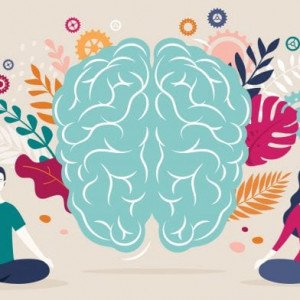
Depression in Teenagers and Young People Symptoms Assessment Therapy Medication and When to Get Help

Depression in teenagers can appear as persistent sadness, irritability, withdrawal, loss of interest, sleep or appetite changes, poor concentration and hopelessness. This evidence-based guide explains assessment, depression screening, CBT and interpersonal therapy, antidepressant medication, monitoring for suicide risk, family and school support, common coexisting conditions and when urgent help is needed. It is general education, not an individualized treatment plan.

0

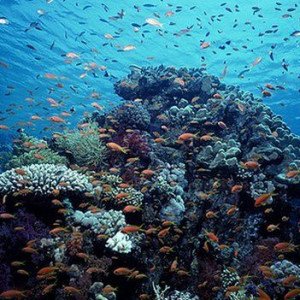
Ocean Pollution in 2026 Plastic Waste Nutrient Runoff Oil Chemicals and Solutions

Ocean pollution comes from land-based plastic waste, nutrient runoff, wastewater, lost fishing gear, oil, chemicals and other sources. UNEP estimates 19–23 million tonnes of plastic waste leak into aquatic ecosystems each year. This guide explains the major threats, how pollution harms marine ecosystems and which prevention and cleanup strategies have the strongest practical value.

Reading is essential for those who seek to rise above the ordinary.

MyArticles

Welcome to MyArticles, an author-oriented website. A place where words matter. Discover without further ado our countless community stories.

Build great relations

Explore all the content from MyArticle community network. Forums, Groups, Members, Posts, Social Wall and many more. You can never get tired of it!

Become a member

Get unlimited access to the best stories and articles on MyArticles, support our lovely authors and share your stories with the World.