
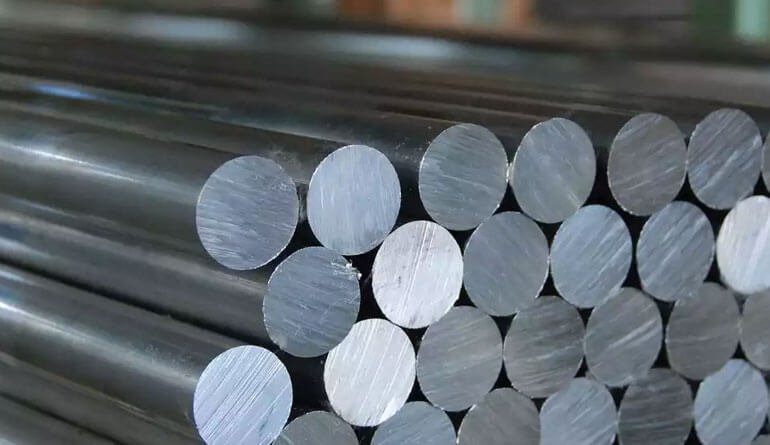
Stainless Steel 904L forged fittings are used where piping systems need stronger corrosion resistance than conventional 304 or 316 stainless can provide, particularly in aggressive chemical, acidic, chloride-containing, and marine-related environments. 904L is a high-alloy austenitic stainless steel containing substantial nickel, chromium, molybdenum, and copper. That chemistry gives it useful resistance to sulfuric acid and several other reducing environments while also improving pitting and crevice-corrosion resistance compared with lower-alloy stainless grades. Forged fittings are produced from wrought material that is heated and mechanically shaped under pressure, then heat treated and machined to the required geometry. This process can provide sound internal structure and reliable mechanical properties when it is carried out correctly. A supplier offering SS 904L Forge Fittings should therefore be evaluated not only on grade availability but also on applicable product standards, heat treatment, dimensional control, traceability, and certification.
What Makes 904L Different
904L was developed for environments in which standard austenitic stainless grades may corrode too rapidly. Its high nickel content stabilizes the austenitic structure and contributes to resistance in aggressive media, while molybdenum improves localized corrosion resistance and copper helps in certain sulfuric-acid conditions. The combination makes 904L useful in chemical plants, acid-handling systems, pollution-control equipment, pulp and paper, pharmaceuticals, seawater-related applications, and high-purity process systems. The grade is not immune to every chemical. Temperature, concentration, contaminants, oxygen level, flow, crevices, and deposits all affect corrosion, so alloy selection should always be based on the actual process environment. Why Forged Fittings Are Used. Forged elbows, tees, couplings, unions, caps, sockets, and branch fittings are often chosen for compact high-pressure piping connections. Mechanical working during forging helps refine the structure and can reduce internal defects compared with poorly controlled castings. The finished fitting is then machined to threads, sockets, bores, and pressure-rated dimensions required by the applicable standard. Forging quality depends heavily on billet condition, heating temperature, deformation, die design, and final heat treatment. The word “forged” should not be treated as a guarantee of quality without documentation. 904L in Chemical Processing. Acid handling is one of the best-known uses for 904L. In selected concentrations and temperatures, its copper and high nickel/molybdenum content can outperform 316L in sulfuric-acid service. It may also be considered for phosphoric acid, fertilizer processes, pickling systems, and other corrosive streams, depending on detailed chemistry. A related MyArticles discussion of chemical processing shows why nickel alloys such as Inconel 625 may be needed when temperatures or media become too severe for stainless steel. 904L occupies an important middle ground between common stainless and more expensive nickel-base alloys. Localized Corrosion Resistance. Chloride-containing environments can cause pitting and crevice corrosion in stainless steel. 904L’s molybdenum content gives it better resistance than 304 and typically better resistance than 316L, although high chloride levels, warm stagnant conditions, tight crevices, and deposits can still attack the alloy. For very severe seawater or offshore service, super duplex or highly alloyed nickel materials may provide better resistance. The designer should compare both corrosion behavior and fabrication requirements.
904L Versus Duplex Stainless
Duplex stainless steels offer much higher strength and excellent resistance to chloride stress-corrosion cracking, while 904L offers the familiar fabrication characteristics of a fully austenitic alloy and strong acid resistance. The correct choice depends on whether the main design driver is mechanical strength, chloride exposure, reducing acids, welding, low-temperature toughness, or code availability. Substituting one alloy for the other without engineering review can change allowable stresses, wall thickness, welding procedures, and corrosion performance. 904L Versus Carbon Steel. carbon steel is much less expensive and is entirely appropriate for many noncorrosive or controlled services. It becomes uneconomical when frequent corrosion allowance, coating, replacement, contamination, or shutdown is required. 904L costs more initially but can reduce lifecycle cost in environments where carbon steel would need constant protection. The economic comparison should include fabrication, inspection, replacement frequency, downtime, and product contamination—not only price per kilogram. Weldability. 904L can be welded using established austenitic stainless procedures, but filler selection, cleanliness, heat input, and interpass temperature still matter. Because the alloy has high nickel and molybdenum, weld consumables need to provide adequate corrosion resistance in the weld metal. Autogenous welding may not be appropriate in every service. Low carbon helps reduce sensitization risk, but a poor weld procedure can still create hot cracking, contamination, distortion, or localized corrosion problems. Formability. The austenitic structure provides useful ductility, allowing 904L to be formed and forged, although its high alloy content influences hot-working temperatures and force requirements. Manufacturers need controlled heating so the billet is deformable without spending excessive time in temperature ranges that may affect structure or surface quality. Repeated reheating should be minimized and followed by the specified solution heat treatment when required.
Solution Annealing
904L products are normally solution annealed at high temperature and rapidly cooled to restore the desired corrosion-resistant austenitic structure after hot working. Exact temperatures and cooling requirements depend on the product specification and manufacturer procedure. Heat-treatment records should be traceable to the production batch for critical piping components. Machining. Like other high-alloy austenitic stainless steels, 904L can work-harden during machining. Rigid equipment, sharp carbide tooling, appropriate cutting speed, positive feed, and effective coolant help control tool wear. Rubbing or repeated light passes can harden the surface and make subsequent cutting more difficult. Forged fittings usually need accurate machining of bores, socket depths, threads, and sealing surfaces after heat treatment. Pressure-Rated Dimensions. Forged fittings are commonly manufactured to ASME dimensional standards and ASTM material specifications. The purchase order should state size, pressure class or schedule, end connection, material grade, and standard revision. “904L forged fitting” alone is not enough for an engineered procurement. Pressure capability depends on the complete piping code, material allowable stress, temperature, geometry, and connection—not simply the alloy name. Socket-Weld Fittings. Socket-weld fittings allow a pipe to enter a recessed socket before fillet welding. They are compact and commonly used in small-bore high-pressure systems. Fabrication needs the correct insertion gap and weld procedure so thermal expansion and stress are controlled. Crevices associated with socket geometry can be important in severe corrosion or hygienic service, so connection type should be chosen with both mechanical and corrosion requirements in mind.
Threaded Fittings
Threaded 904L fittings avoid welding but introduce thread crevices and sealing requirements. They may be useful in utility, instrument, or maintenance connections when the piping code and service permit them. Thread compounds, mating materials, galling risk, and pressure/temperature limitations need review. Highly aggressive process service may favor welded connections to reduce leakage paths. Pharmaceutical and High-Purity Systems. High corrosion resistance and cleanable surfaces can make 904L attractive for selected pharmaceutical and high-purity applications. However, hygienic service depends on surface roughness, weld finishing, drainability, dead-leg control, passivation, and validation—not just grade selection. A fitting that is chemically resistant but poorly polished or badly installed can still be unacceptable in sanitary systems. Offshore and Marine Uses. 904L can perform well in many coastal and marine-adjacent applications, but continuous natural seawater can be severe. Warm stagnant seawater, crevices, and biofouling can exceed the practical resistance of 904L. Super duplex and nickel alloys are often evaluated when direct seawater exposure is prolonged. Designers should use site-specific temperature and chloride information rather than relying on the informal label “marine grade.” Pulp and Paper. Pulp and paper plants can expose equipment to chlorides, bleaching chemicals, acidic liquors, and high temperatures. 904L may be considered for piping and components where 316L shows inadequate life. The exact process stage matters because bleach plants, recovery systems, and utility services have very different corrosion conditions. Field history from comparable mills can be especially useful when selecting materials.
Pollution-Control Equipment
Flue-gas desulfurization and other pollution-control systems can create condensates containing chlorides, sulfur compounds, and low pH. High-alloy stainless steels such as 904L may be used in selected areas, although even more highly alloyed materials are required in extreme zones. Corrosion mapping across the system can prevent expensive over-alloying of areas that do not need premium material. Material Documentation. The Outokumpu – Ultra 904L Stainless Steel technical information provides useful alloy-family context, while the Nickel Institute – Technical Resources on Nickel-Containing Stainless Steels explains the role of nickel in corrosion-resistant alloys. These resources can support material comparison, but project design should follow the actual product standard, code, and certified mill data. For pressure equipment, relevant ASME – Codes and Standards should be identified explicitly on drawings and purchase documents.
Quality-Control Checks
| Stage | Typical verification |
|---|---|
| Raw material | Heat number, chemistry, certificate, PMI where required |
| Forging | Temperature control, reduction, visual condition |
| Heat treatment | Cycle record and solution-annealed condition |
| Machining | Dimensions, threads, sockets, bore, surface finish |
| NDE | Visual, penetrant or other testing when specified |
| Final release | Marking, traceability, documentation, packaging |
Procurement Should Match the Actual Corrosion Mechanism
904L is expensive enough that buyers should be clear about why it is being specified. If the dominant problem is sulfuric-acid exposure or a combination of reducing acid and chlorides, the alloy can be a strong candidate. If the real failure mechanism is high-temperature oxidation, severe seawater crevice corrosion, erosion, or chloride stress-corrosion cracking at conditions better handled by duplex or nickel alloys, choosing 904L simply because it is “more corrosion resistant” may not produce the best result. Material selection should therefore begin with process chemistry, temperature range, concentration changes, shutdown conditions, cleaning chemicals, and the geometry of crevices or stagnant zones.
For critical service, corrosion data from comparable operating conditions or qualification testing can be more valuable than a general datasheet. Procurement documents should identify the exact UNS grade, fitting standard, end connection, pressure class, heat treatment, required tests, and documentation package. Positive material identification can be added where grade mix-up would have serious consequences, while inspection of machined sealing surfaces and threaded or socket areas helps confirm that fabrication quality matches the intended service.
Fabrication Quality Can Decide Whether 904L Performs as Expected
Even a correctly specified alloy can fail early if forging, welding, machining, or post-fabrication cleaning is poor. Heat tint, embedded carbon-steel contamination, deep tool marks, damaged sealing faces, or an incorrect filler metal can create local weak points that corrode faster than the parent alloy. Where fittings are welded into critical service, the procedure should control heat input and cleanliness, and any required pickling or passivation should be performed consistently. Inspection should focus not only on dimensions but on the actual surfaces exposed to the process fluid.
Storage and handling matter as well. Finished fittings should be protected from carbon-steel grinding dust, chloride-rich contamination, and damage to threads or gasket faces. Segregated storage, clean lifting equipment, traceable packaging, and inspection at receiving help ensure that corrosion-resistant material reaches installation in the same condition in which it left the manufacturer. That discipline also makes later maintenance and material verification much easier.
Lifecycle Cost Can Justify the Higher Alloy Price
The purchase price of a 904L forged fitting may be several times the cost of a common carbon-steel or 316L component, but material cost is only one part of the decision. Frequent replacement, coating maintenance, leakage, shutdown labor, product contamination, lost production, and emergency access can make a cheaper fitting far more expensive over the life of a system. Conversely, using 904L in a mild service where 316L already provides decades of acceptable life can waste capital. A lifecycle comparison should therefore evaluate realistic failure frequency and maintenance consequence rather than assuming that the most highly alloyed option is automatically the most economical.
For critical service, procurement should also confirm whether the supplier can provide heat-number traceability through cutting and machining, because correct chemistry on a certificate is useful only when it can still be tied confidently to the physical fitting being installed.
Conclusion
Stainless Steel 904L forged fittings are specialized components for piping systems where common stainless grades may not provide enough corrosion resistance. Their value comes from the alloy’s high nickel, chromium, molybdenum, and copper content combined with the mechanical reliability of properly controlled forging and machining. They can be useful in acid handling, chemical processing, pollution control, pulp and paper, pharmaceuticals, and selected marine or offshore systems. Buyers should specify the exact standard, pressure class, connection type, heat treatment, testing, and documentation rather than purchasing on grade name alone. When the service genuinely justifies the alloy, 904L can provide a strong lifecycle alternative between 316L and more expensive duplex or nickel-base materials.