
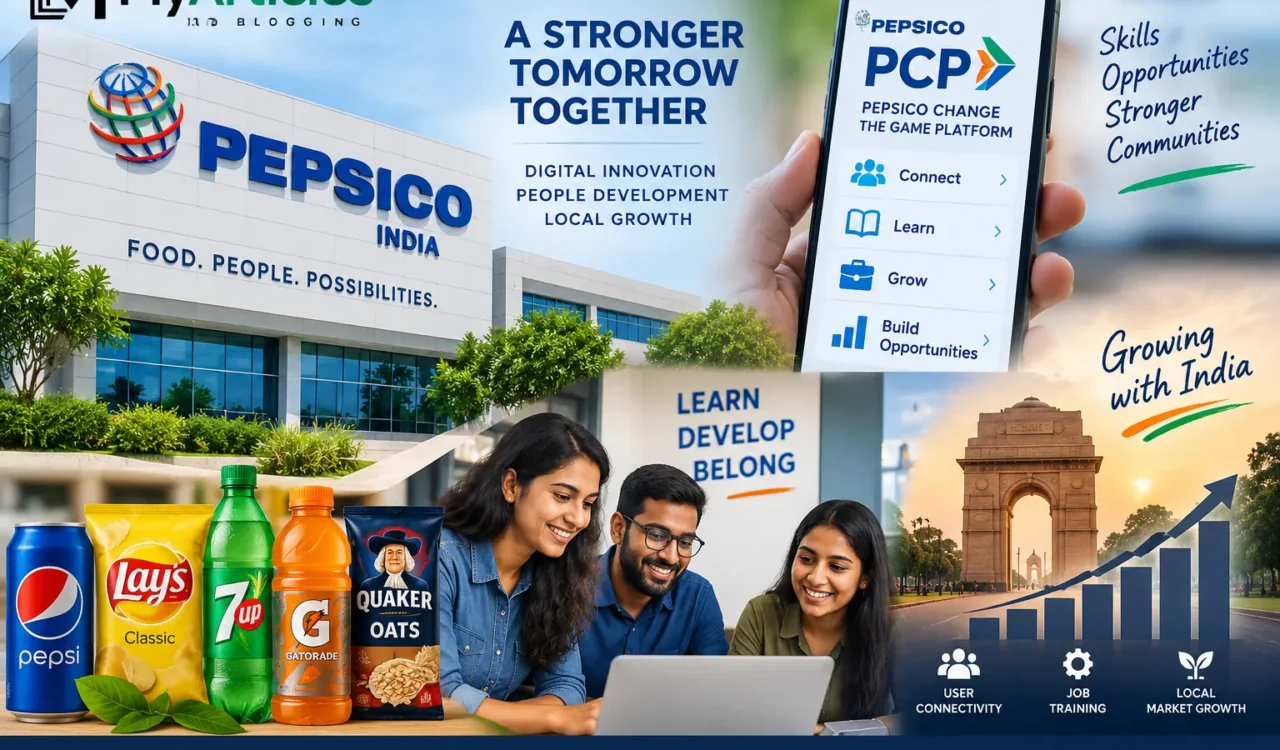
Online posts, social-media messages, recruitment offers, and promotional websites sometimes claim to represent major brands such as PepsiCo. Some describe digital “promotion platforms,” training programs, rewards systems, regional service centers, investment opportunities, or partnerships with banks and government agencies. Before registering, paying money, sharing identity documents, or accepting a job offer, those claims should be verified through official sources. The previous version of this MyArticles page presented a “PepsiCo Brand Promotion Platform (PCP)” as an established PepsiCo India project launched in 2025 and claimed partnerships with Punjab National Bank and Haryana government departments. It also included a quotation attributed to an unnamed “PepsiCo India project manager.” I could not independently verify those specific claims through PepsiCo’s official India/global websites or other authoritative corporate sources reviewed for this rewrite. They should therefore not be presented as established facts. This article explains how to verify whether a PepsiCo-related digital platform, promotion, recruitment program, training opportunity, partnership, or payment request is official.
PepsiCo India Verification Starts With Official Websites
The preserved PepsiCo — Official Corporate Website is the correct starting point for corporate announcements and official company information, while PepsiCo Jobs — Official Careers Site is PepsiCo’s recruitment channel. PepsiCo’s current careers pages carry a recruitment-fraud notice stating that legitimate roles are listed on official PepsiCo career sites and warning applicants to avoid suspicious links or requests for personal information. A logo, WhatsApp message, social post, or branded app is not equivalent to confirmation from those channels. The most reliable starting point for a corporate claim is the company’s own official website. PepsiCo operates official global and regional web properties that publish: Corporate news; Brand information; Investor information; Sustainability initiatives; Career opportunities; Official contact information.
A program claiming to be a major PepsiCo initiative should normally leave some verifiable trail through official corporate communications, legal notices, press releases, job listings, or named partner announcements. Do Not Treat a Brand Logo as Proof. Logos are easy to copy. A website, PDF, app, Telegram channel, WhatsApp group, or social-media account can display PepsiCo branding without being operated by PepsiCo. Look for stronger evidence: Official domain ownership; Links from PepsiCo’s verified website; Named executives or departments; Corporate press releases; Matching announcements from claimed partners; Clear legal entity and contact information. Verify the Domain Name. Scam and impersonation sites often use domain names that look plausible at a glance. Watch for: Misspellings; Extra hyphens; Unusual domain extensions; Subdomains designed to mimic an official site; Links shortened through unrelated services. A page saying “PepsiCo India” in its title is not evidence that PepsiCo controls it.
Recruitment, Job Fees, and Task-Scam Warning Signs
Check Official Careers Channels for Job Offers. PepsiCo publishes legitimate employment opportunities through its official careers infrastructure. If someone offers a PepsiCo job through WhatsApp, Telegram, social media, or an unfamiliar website, search for the role independently on the company’s official career pages. A legitimate recruiter should be able to explain: The exact job title; Legal employing entity; Location; Hiring process; Official application path. Be Cautious When a “Job” Requires Payment. A major warning sign is a request to pay money in order to: Unlock tasks; Activate an employee account; Upgrade membership levels; Receive commissions; Release a salary; Complete verification; Purchase a training package. Employment should not be confused with a pay-to-participate scheme. “Brand Promotion Tasks” Need Extra Scrutiny. Online task scams sometimes use familiar company names and ask participants to perform simple activities such as liking products, posting reviews, clicking advertisements, or completing “orders.” The platform may initially display small rewards to build confidence and later require larger deposits. If a platform uses PepsiCo’s name, verify directly through PepsiCo before assuming the relationship is genuine.
Verifying Bank, Government, and Partnership Claims
Verify Claimed Bank Partnerships Independently. The earlier version of this article claimed that the alleged PCP platform had partnered with Punjab National Bank for account processing, reward distribution, and financial services. A claim involving a major regulated bank should be independently verifiable from the bank itself. Check: The bank’s official website; Official press releases; Regulatory disclosures where relevant; Verified bank customer-service channels. Do not rely on screenshots of bank logos or payment pages supplied by the platform making the claim. Verify Government Partnerships the Same Way. The previous page also claimed coordination with Haryana government departments around employment and digital skills. Government partnerships usually create some public documentation when they involve substantial employment centers, training programs, or regional initiatives. Look for confirmation from: Official Haryana government domains; Department press releases; Public tenders or memoranda where applicable; Named officials. One party claiming a government relationship is not enough.
Documents, Media Coverage, Domains, and Contact Details
Demand Specific Names and Documents. Vague attribution is a trust warning. For example, a quotation from “the PepsiCo India project manager” without a person’s name, title, official profile, event, press release, or publication makes independent verification difficult. A credible corporate announcement usually identifies who made the statement and where it was published. Check Whether the Story Appears in Reputable Business Media. A major nationwide initiative involving a multinational company, a public-sector bank, government departments, employment centers, and digital payments would be significant enough that independent reporting may exist. Absence of media coverage does not automatically prove a claim false, but it raises the verification burden. Official PepsiCo India Activity Is Broad and Publicly Documented.
PepsiCo has a substantial commercial presence in India through food and beverage brands, manufacturing, agriculture, distribution, sustainability initiatives, and employment. That real presence can make impersonation claims sound plausible. Users should therefore verify the specific program rather than asking only whether PepsiCo operates in India. Separate Brand Marketing From Employment. Companies do hire marketing agencies, distributors, creators, and contractors. That does not mean every consumer can join a branded “promotion platform” and earn guaranteed income. Ask what the legal relationship actually is: Employee?; Independent contractor?; Agency worker?; Customer?; Affiliate?; Contest participant?. If the platform cannot explain the relationship clearly, do not provide money or sensitive information. Verify Training Programs Before Enrolling. Corporate training can be legitimate, but training claims should still identify: Who delivers the course; Who pays for it; Whether a credential is issued; Whether the credential is recognized; Whether participation creates employment. A certificate carrying a corporate logo does not prove endorsement.
Apps, Privacy, Identity Documents, and Artificial Urgency
Protect Your Identity Documents. Fraudulent recruitment and task platforms may request: Aadhaar information; PAN details; Bank account numbers; Selfies; Copies of passports; One-time passwords. Identity documents should be provided only through a verified, necessary process. Never share an OTP or banking PIN with a recruiter or platform representative. Watch for Pressure and Artificial Urgency. Common pressure tactics include: “Limited positions remain.”; “Deposit today to keep your account active.”; “Upgrade now to withdraw earnings.”; “Your task will expire in 15 minutes.”. Urgency is often used to prevent independent verification. Guaranteed Returns Are a Major Warning Sign. Brand promotion, employment, and investment are different activities. If a supposed marketing platform promises fixed daily returns based on deposits, memberships, or account tiers, verify whether the arrangement is actually an investment product and whether it is legally authorized.
Check App Store Publisher Details. If a platform has an app, review the developer or publisher name. Ask: Does the publisher match the claimed company?; Does the official company website link to the app?; What permissions does the app request?; Is there a clear privacy policy?. App-store availability alone does not guarantee legitimacy. Check the Privacy Policy. A platform collecting user identity, bank, location, or employment information should clearly explain: What data is collected; Why it is collected; Who receives it; How long it is retained; How users can exercise privacy rights. Generic text copied from another company is not a strong privacy practice. Verify Contact Information. Legitimate corporate communication should provide contact details that can be independently traced. Be cautious when the only support channel is: A personal mobile number; Telegram; WhatsApp; A free email account.
A Step-by-Step Verification Process
How to Verify a PepsiCo-Related Claim Step by Step. Write down the exact program name; Search PepsiCo’s official websites; Search PepsiCo’s official careers pages if employment is claimed; Check official social accounts linked from PepsiCo; Verify every named partner independently; Search reputable news coverage; Check the domain and app publisher; Do not pay or submit sensitive documents until verification is complete.
What to Do If You Sent Money or Documents
For people in India who believe they have encountered an online job or payment scam, the preserved National Cyber Crime Reporting Portal — India is the official reporting portal. Contact the payment provider quickly, preserve screenshots and transaction records, change compromised passwords, and monitor any identity documents that were shared. The fastest response is usually more useful than continuing to negotiate with the sender. If You Already Sent Money. If you suspect fraud after making a payment, act quickly. Contact your bank or payment provider; Preserve transaction records; Save screenshots, messages, phone numbers, and URLs; Change compromised passwords; Report unauthorized transactions promptly; Use India’s official cybercrime reporting channels where appropriate. If You Shared Identity Documents.
Monitor accounts for suspicious activity and consider appropriate identity-protection steps. Do not continue sending documents because someone claims the first submission was incomplete. What the Previous PCP Claims Mean Now. The safest conclusion from the evidence reviewed for this rewrite is not to label the alleged PCP platform legitimate or fraudulent without stronger evidence. Instead, the specific partnership, recruitment, payment, and government claims should be treated as unverified unless they can be independently confirmed through official PepsiCo and partner channels. This distinction is important. A website should not convert unsupported promotional claims into facts simply because they are written confidently. Why Independent Verification Matters for Publishers. Publishers have their own responsibility when writing about brands. Before publishing a company announcement, verify:
Identity of the sender; Corporate email domain; Existence of the named project; Named executives; Partnership confirmations; Images and logos. This reduces the risk that a website unintentionally lends credibility to impersonation or misleading promotions. Related Digital Privacy Concerns. Any platform asking users to share identity or financial information should be evaluated for privacy as well as authenticity. MyArticles’ guide to social media and privacy explains practical account-security and data-minimization principles that also apply here. Frequently Asked Questions. Is the PepsiCo “PCP platform” official?. I could not verify the specific “PepsiCo Brand Promotion Platform (PCP)” claims from official PepsiCo sources reviewed for this article. Users should verify directly through PepsiCo before registering, paying, or sharing data.
Did PepsiCo PCP partner with Punjab National Bank?. The previous page claimed this relationship, but it should not be treated as established without confirmation from official PepsiCo and Punjab National Bank sources. Does PepsiCo recruit through WhatsApp or Telegram?. Do not rely on a messaging account alone. Verify any role through PepsiCo’s official careers channels. Should I pay a fee for a PepsiCo promotion job?. Be highly cautious of any supposed job or promotion opportunity that requires deposits, account upgrades, or payments to unlock earnings.
Standards for Publishers Correcting Brand Claims
How Publishers Can Correct an Unverified Brand Story. If a website has already published an unsupported corporate announcement, the safest response is not to quietly change a few words while leaving the overall endorsement intact. The page should identify which claims could not be confirmed, remove fabricated or unattributed quotations, and replace promotional language with information readers can independently verify. If a named bank, government department, or employer relationship cannot be corroborated, that relationship should not remain written as fact. Publishers should also preserve evidence of the original submission internally, including sender details and source files, in case the brand or readers later ask how the story was obtained. Corrections should focus on accuracy rather than assigning malicious intent when the source of the misinformation is unknown.
What Counts as Strong Confirmation?. The strongest confirmation comes from sources that are independent of the page making the claim. Examples include an announcement on PepsiCo’s official corporate site, a matching statement from the alleged banking or government partner, an official job posting, a regulatory filing, or named spokesperson contact that can be independently verified. Multiple websites repeating the same press-release text do not constitute independent confirmation if they all originate from the same unverified submission. This distinction is especially important for high-profile brands because copied stories can create a false appearance of credibility. Search results may show many pages while all of them trace back to one unsupported source.
Conclusion
Major brand names create trust, which is exactly why they can be attractive to impersonators and unverified promotional schemes. The previous version of this page made detailed claims about a PepsiCo “PCP platform,” Punjab National Bank, Haryana government cooperation, job training, payment systems, and regional service centers. Those claims should not be repeated as fact unless independent authoritative confirmation is available. Verify corporate programs through official domains, verify job offers through official careers channels, and verify claimed partners through their own official announcements. Do not send money, banking credentials, OTPs, or identity documents simply because a platform displays a recognizable logo. When evidence is incomplete, “unverified” is the responsible answer.