
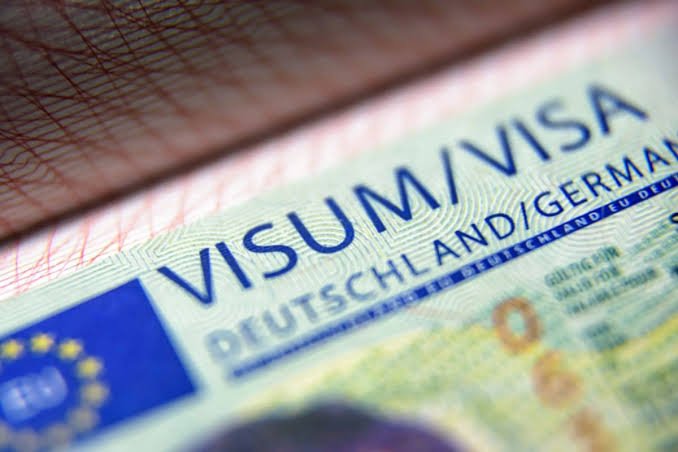
Germany remains a popular destination for Indian travelers, students, skilled workers, researchers, and family members, but visa costs depend primarily on the length and purpose of the stay rather than on a single “Germany visa fee.” The most important distinction is between a short-stay Schengen visa for visits of up to 90 days and a German national visa for stays longer than 90 days. As of 27 August 2026, the German Missions in India list the Schengen visa fee at €90 for applicants aged 12 and above and €45 for children from age 6 to under 12, while children under 6 are exempt. The corresponding published Indian-rupee amounts are ₹10,100 and ₹5,100, but rupee values can change. Anyone researching Germany visa fees for Indians should therefore verify the current official amount immediately before the appointment rather than relying on older 2024 figures.
Short-Stay Schengen Visa Fees in 2026
A Schengen visa is generally the relevant category when an Indian applicant plans a short visit to Germany for tourism, business meetings, family visits, conferences, or another permitted stay that does not exceed 90 days within the applicable Schengen period. The current standard fee is €90 for adults and applicants aged 12 or older, €45 for children aged at least 6 but under 12, and no visa fee for children under 6. German Missions in India currently publish ₹10,100, ₹5,100, and ₹0 respectively, subject to exchange-rate changes and mission-specific implementation. The visa fee is separate from any service charge collected by the external application center. German authorities also state that the Schengen visa fee is generally non-refundable when an application is rejected, so applicants should not treat payment as a deposit returned whenever a visa is not issued.
Business travelers should not assume that “business visa” means a separate fee category when the visit is a short Schengen stay. The standard Schengen fee normally applies unless the applicant qualifies for a waiver or reduced fee under the applicable rules. The same principle applies to many short family visits, tourism trips, and conference visits. The purpose of travel still affects the documents and eligibility requirements, but it does not necessarily create a different basic visa fee. Applicants should select the correct purpose in the official process and follow the corresponding checklist rather than choosing a category based on cost. Processing time should also not be promised as a fixed number of days because appointment availability, VFS logistics, seasonal demand, additional document requests, and individual examination can all affect the timeline. Travel plans should therefore allow enough time for both submission and consular processing.
National Visa Fees for Study, Work, and Family Stays
Applicants intending to remain in Germany for more than 90 days generally need a national visa, sometimes called a long-term or D visa. As of 27 August 2026, the German Missions in India list the standard national visa fee at €75 for applicants aged 18 or older and €37.50 for applicants under 18. The currently published rupee equivalents are ₹8,400 and ₹4,200, again subject to the exchange rate and official updates. This national-visa framework covers many long-stay purposes such as university study, employment, vocational training, family reunification, research, and certain self-employment routes, although each purpose has its own eligibility and document requirements. Older claims that every EU Blue Card application carries a separate €100 visa fee should not be treated as current general guidance. Applicants should use the national-visa fee published for their actual application route and confirm any additional residence-related charges separately after arrival where applicable.
Students and workers should budget for more than the visa fee itself. Depending on the route, expenses can include health insurance, translations, document certification, blocked-account or proof-of-funds arrangements, qualification recognition, courier services, travel, and other application-related costs. These are not all German visa fees and should not be combined into one misleading headline amount. Family-reunion applicants can also face document-verification or certification costs depending on the case. Visa application centers may charge separate service fees, and optional services such as courier delivery can add further expense. The exact VFS charge should be checked at the time of booking because service fees can change independently of the government visa fee. German Missions also note that the external service charge can still apply even when the visa section ultimately determines that an applicant qualifies for a visa-fee waiver.
Fee Waivers and Payment Need Current Verification
Some applicants can qualify for a waiver or reduced visa fee under Schengen or German national-visa rules, but eligibility depends on the category and supporting evidence. Children under six are exempt from the standard Schengen visa fee, and other exemptions can apply to specific groups such as qualifying students, researchers, or certain family members under European free-movement rules. Applicants should not assume that a broad description such as “student” automatically makes every application free; the purpose, program, relationship, and legal basis matter. The visa section, not a private agent, determines whether the government fee is waived. Where a waiver might apply, the applicant should submit the documents required to establish eligibility. The same caution applies to reductions or exceptional waivers based on public-interest or humanitarian grounds. Current official instructions should control because eligibility can depend on facts that a generic online fee table cannot capture.
Payment methods can differ by German mission and by whether an application is submitted through VFS, so older advice saying that most applicants can simply pay online by credit card is unreliable. Some missions in India use cash or demand drafts under specific local instructions, while application-center processes can include prepayment of certain VFS charges. The rupee amount can also be revised when the official exchange rate changes, which is why applicants using a demand draft should confirm the exact amount and beneficiary instructions shortly before the appointment. Bringing a draft with an old fee or incorrect details can create avoidable problems. Applicants should use the official German Missions in India website and the appropriate VFS booking information for their jurisdiction to confirm the amount, payment method, appointment procedure, and any separate service charges immediately before submission.
Conclusion
Germany visa fees for Indian applicants are straightforward once short-stay and long-stay categories are separated. As of 27 August 2026, the standard Schengen fee is €90 for applicants aged 12 and above, €45 for children aged 6 to under 12, and free for children under 6. The standard national-visa fee is €75 for adults and €37.50 for minors. Current rupee equivalents published by German Missions are ₹10,100, ₹5,100, ₹8,400, and ₹4,200 respectively, but those INR amounts can change. VFS service charges and optional services are separate from the visa fee, and some applicants may qualify for waivers or reductions. The safest approach is to identify the correct visa category, check the official fee immediately before the appointment, follow the payment instructions for the responsible mission or VFS center, and avoid relying on outdated 2024 pricing or fixed processing-time promises.