
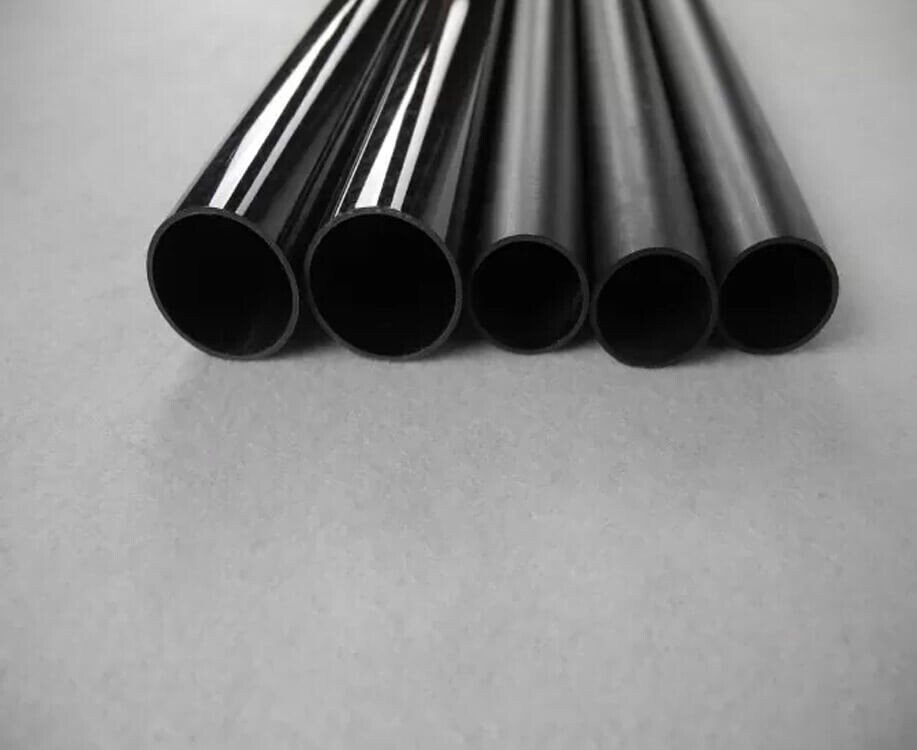
ASTM A335 Grade P92 is a seamless ferritic alloy-steel pipe grade used in demanding high-temperature service where long-term creep strength, elevated-temperature performance, weldability, and reliable pressure containment are important. It is commonly associated with power-generation piping and other systems exposed to sustained high temperature and pressure. As of 2026, ASTM lists A335/A335M-26 as the active edition of the material specification. That detail matters because procurement teams should not build purchase requirements from an old chemistry or mechanical-property table copied from a supplier website. P92 performance depends on the complete material and fabrication system: controlled alloy chemistry, heat treatment, dimensional compliance, qualified welding, post-weld heat treatment, inspection, traceability, and appropriate design-code calculations. The grade name alone does not establish whether a pipe is suitable for a particular project.
What the ASTM A335 Specification Covers
The active reference is ASTM International: A335/A335M-26, which covers nominal-wall and minimum-wall seamless ferritic alloy-steel pipe intended for high-temperature service. The standard includes requirements addressing chemistry, mechanical properties, heat treatment, dimensions, testing, hydrostatic integrity, nondestructive examination, marking, and other product controls. P92 is one grade within that broader specification. It belongs to the family of creep-strength-enhanced ferritic steels developed for service in which ordinary carbon or lower-alloy grades may not provide enough long-term strength at elevated temperature. Engineers and buyers should use the active standard together with the project’s design code and owner specification. ASTM A335 defines material-product requirements; it does not by itself determine allowable system pressure, required wall thickness, joint design, flexibility, supports, inspection category, or the complete operating envelope of an installed piping system.
P92 uses a carefully controlled alloy system that includes elevated chromium together with molybdenum, tungsten, vanadium, niobium, nitrogen, boron, and other controlled elements. The exact limits should be taken from the applicable ASTM edition and confirmed against the material test certificate for the purchased heat. Chromium contributes to oxidation and high-temperature corrosion resistance, while the combined alloy design and heat treatment support creep strength and microstructural stability. P92 is not stainless steel, and it should not be selected simply because its chromium content is higher than ordinary carbon steel. Material selection must consider design temperature, pressure, corrosion environment, operating hours, thermal cycling, fabrication capability, code allowable stresses, and life-cycle cost. In a lower-temperature system, a simpler material can be easier and more economical to fabricate and maintain.
Creep Strength Is the Main Engineering Advantage
Creep is time-dependent permanent deformation that can develop when a material remains under stress at elevated temperature for long periods. A component can operate below its short-term tensile strength and still accumulate creep damage over tens of thousands of hours, which is why high-temperature piping design cannot rely only on room-temperature mechanical properties. P92 was developed to provide stronger creep resistance in demanding steam and pressure-service applications, and in appropriate designs that strength can allow thinner pressure walls than some older grades. Reduced wall thickness can lower component weight and may improve thermal response during startup and shutdown, but these benefits must be calculated under the applicable code rather than assumed from the grade designation. Temperature excursions are especially important because creep damage can accelerate sharply when operating temperatures exceed design expectations, making reliable temperature history and life-assessment records valuable throughout the plant’s service life.
Heat treatment and welding are critical because the useful high-temperature properties of P92 depend on its microstructure. Fabricators should not treat it like ordinary mild steel or casually substitute procedures developed for another chromium-molybdenum grade. Welding typically requires qualified control of filler metal, preheat, interpass temperature, hydrogen management, heat input, and post-weld heat treatment according to the applicable welding procedure, code, and project specification. Incorrect PWHT can leave the weld or heat-affected zone with undesirable hardness, toughness, or long-term creep behavior even when the joint looks acceptable visually. Dissimilar-metal welds require additional engineering because the joined materials can differ in thermal expansion, creep behavior, heat-treatment response, and filler-metal needs. Temporary attachments, repairs, and field modifications should also be treated as engineered welds rather than small maintenance tasks that can be performed without procedure control.
Testing and Traceability Protect the Material Chain
High-temperature pressure piping needs strong traceability from receiving through fabrication and installation. Material test certificates should be reviewed for the specification and revision, grade, heat number, chemical analysis, mechanical properties, heat-treatment condition, and required test results. Identification should remain linked to cut pieces so a short section does not lose its material history after fabrication begins. Positive material identification can help distinguish alloy grades when several similar materials are present on the same project, but field PMI does not replace the complete certified chemistry because the capability of instruments differs by element. The active A335 specification also includes hydrostatic and nondestructive-examination provisions, while projects may impose supplementary testing beyond the base material standard. Buyers should state those requirements clearly in the purchase order rather than assuming the supplier will infer them from the words “P92 pipe.”
Dimensional requirements deserve the same precision. A complete purchase specification should identify size, wall basis or schedule, length, ends, quantity, tolerances, required certification, and any supplementary examination or project-specific code requirements. Nominal-wall and minimum-wall requirements are not interchangeable, and the selected basis affects tolerance interpretation and design. Forming and bending can also change wall thickness, ovality, hardness, and heat-treatment condition, so fabrication procedures should account for those effects. Storage should protect markings, ends, and surfaces from damage or contamination, while records should follow each piping circuit over its operating life. Weld maps, heat-treatment charts, NDE reports, repairs, operating-temperature history, and inspection results can become essential decades later when an owner evaluates creep damage or remaining life. Missing records often force additional testing or conservative engineering assumptions.
Service Life Depends on Fabrication and Inspection
P92 should be managed as a life-limited high-temperature material rather than a “fit and forget” alloy. Inspection programs may consider operating hours, temperature excursions, weld condition, hardness, wall thickness, creep damage, and known high-stress locations according to the plant’s code and owner procedures. Frequent cycling can introduce thermal fatigue and expansion stresses even when steady-state creep strength is excellent. Fabrication quality can therefore determine long-term performance as much as the nominal alloy grade. A premium material can perform poorly if the wrong filler metal is used, PWHT is inadequate, traceability is lost, or repairs are made without qualified procedures. Procurement teams should also watch for counterfeit or misidentified material through inconsistent certificates, missing heat numbers, questionable markings, implausibly low pricing, or chemistry that does not match documentation. Qualified suppliers and disciplined receiving inspection reduce those risks before material enters fabrication.
Conclusion
ASTM A335 Grade P92 is a specialized seamless ferritic alloy-steel pipe for demanding high-temperature service, not a generic upgrade for every piping application. Its engineering value comes from creep strength and elevated-temperature capability, but those properties depend on controlled chemistry, correct heat treatment, qualified welding, appropriate PWHT, inspection, traceability, and code-based design. For 2026 procurement, buyers should specify the required A335/A335M edition, Grade P92, dimensions, wall basis, certification, supplementary testing, and project-code requirements rather than copying an old datasheet. Fabricators should preserve heat identity and use procedures developed specifically for the material and service. Plant owners should retain fabrication and operating records so long-term condition can be evaluated intelligently. When P92 is selected for the right operating conditions and managed as an engineered system, it can provide valuable high-temperature performance; when its fabrication demands are ignored, the alloy designation alone cannot guarantee reliability.