
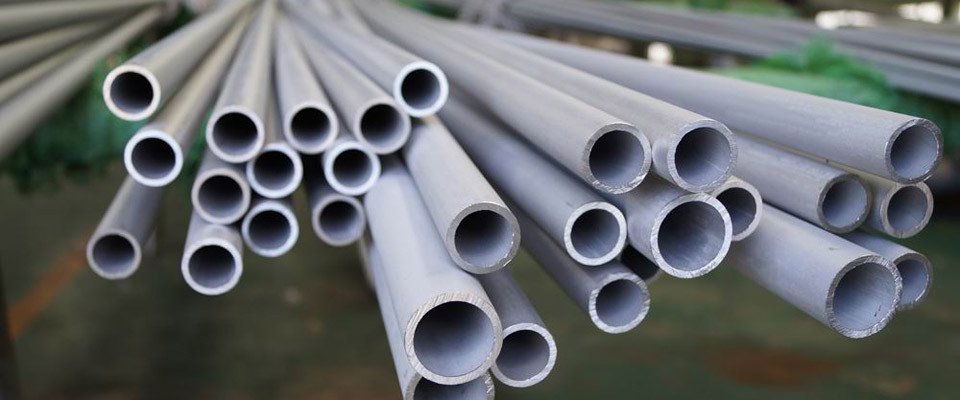
Incoloy 800H is a nickel-iron-chromium alloy designed for high-temperature service where ordinary stainless steels may lose strength or suffer accelerated oxidation, carburization, or other furnace-related attack. It belongs to the INCOLOY 800 family developed by Special Metals and is identified by UNS N08810. A closely related grade, INCOLOY 800HT, is UNS N08811. The key reason to distinguish 800, 800H, and 800HT is creep strength. Standard Alloy 800 provides good oxidation and carburization resistance, while 800H uses a controlled higher carbon range and coarse grain structure to improve long-term creep and rupture properties at elevated temperatures. 800HT further tightens the chemistry and heat-treatment requirements to maintain higher high-temperature strength.
The old version of this article correctly recognized that 800H is used in furnaces, petrochemical equipment, heat exchangers, and power generation, but it overstated several points. It suggested the material could withstand 1100°C without deformation and implied broad resistance to acids, alkalis, and aerospace service without qualification. The correct engineering approach is to use temperature-dependent allowable stresses, corrosion data for the actual atmosphere or process fluid, and the applicable ASTM/ASME specification. This updated guide explains what 800H seamless tube is, how it differs from 800 and 800HT, why carbon and grain size matter, major tube specifications, oxidation and carburization behavior, creep, welding, fabrication, applications, inspection, and procurement. The original backlink to Incoloy 800 Tubes is preserved exactly.
What Is Incoloy 800H?
INCOLOY Alloy 800H is a nickel-iron-chromium alloy with controlled carbon and grain-size requirements intended to provide improved high-temperature creep and stress-rupture strength. Its UNS designation is: N08810. Typical Alloy Family. The 800 series includes: Alloy 800 — UNS N08800;; Alloy 800H — UNS N08810;; Alloy 800HT — UNS N08811.. Why the 800 Series Was Developed. Special Metals explains that the family was developed to provide: high-temperature strength;; oxidation resistance;; carburization resistance;; useful corrosion resistance.. It has been used for decades in: furnace components;; petrochemical furnace tubing;; headers;; pigtails;; electrical heating-element sheathing.. Composition. Alloy 800H contains controlled levels of: nickel;; chromium;; iron;; carbon;; aluminum;; titanium.. Special Metals notes that 800H requires carbon in the range of approximately 0.05–0.10% and a relatively coarse grain size. Why Carbon Matters. The higher controlled carbon level improves: creep strength;; stress-rupture performance. at elevated temperatures. This is why 800H is not simply “ordinary 800 with a different name.”
Why Grain Size Matters. For high-temperature creep service, a coarser grain structure can improve resistance to grain-boundary creep deformation. Special Metals notes that 800H requires an average grain size of ASTM 5 or coarser. What Is 800HT?. 800HT is a more tightly controlled version within the 800H chemistry family. Special Metals describes: UNS N08811;; carbon approximately 0.06–0.10%;; controlled combined aluminum + titanium;; high-temperature solution heat treatment.. 800H vs. 800HT. Both are intended for elevated-temperature use. 800HT was developed to maintain stronger creep and rupture performance through tighter chemistry and heat-treatment control. The correct grade depends on: design temperature;; pressure;; code allowable stress;; product specification..
What Is a Seamless Tube?
A seamless tube is manufactured without a longitudinal weld seam. Typical production can involve: hot extrusion;; piercing;; cold drawing;; heat treatment;; finishing.. Seamless vs. Welded Tube. Seamless tube has no longitudinal weld. Welded tube is formed from strip/sheet and welded along a seam. Both can be suitable for high-integrity service when manufactured and qualified to the correct specification. Do Not Assume Seamless Is Always Better. Modern welded products can provide excellent quality. Selection depends on: code;; size;; pressure;; availability;; inspection.. Tube vs. Pipe. Tube is usually specified by: outside diameter;; wall thickness.. Pipe commonly uses: nominal pipe size;; schedule.. Relevant Specifications. Depending on product form and application, specifications can include: ASTM B407 for seamless nickel-iron-chromium alloy pipe/tube products;; ASTM B163/B515 and related nickel-alloy tubing standards depending on product form;; ASME equivalents for pressure equipment.. Always verify the exact current standard for the purchased product.
High-Temperature Strength. 800H is designed for service where creep becomes a major design consideration. Creep is time-dependent deformation under sustained: stress;; temperature.. Why Creep Matters. A tube can remain below its room-temperature yield strength and still slowly deform if it operates at high temperature for thousands of hours. Stress-Rupture Strength. Stress-rupture data helps estimate how long a material can carry a particular stress at a particular temperature before rupture. Design codes convert such data into allowable stresses.
Do Not Use a Generic Maximum Temperature
The old article said 800H could withstand 1100°C without deformation. That is misleading. At sufficiently high temperature, any load-bearing metal can creep. Design must use: actual temperature;; stress;; service life;; ASME allowable stress.. Oxidation Resistance. Chromium helps the alloy form protective oxide scales in high-temperature oxidizing environments. This makes it useful in: furnace components;; heat-treatment equipment;; petrochemical heaters.. Carburization Resistance. Carburization occurs when carbon diffuses into a metal in carbon-rich high-temperature atmospheres. This can: change microstructure;; embrittle components;; reduce service life.. 800-series alloys are known for good resistance to carburizing atmospheres. Nitridation. Some high-temperature environments contain nitrogen-bearing species that can cause nitridation. Material performance depends on: gas chemistry;; temperature;; oxygen potential.. Sulfidation. Sulfur-bearing atmospheres can be extremely aggressive.
Nickel-rich alloys can have limitations in some reducing sulfur environments. Do not select 800H solely because it is a nickel alloy. Application 1: Petrochemical Furnace Tubes. 800H/800HT can be used in: cracker furnaces;; process-heater tubing;; pigtails;; headers.. These applications combine: high temperature;; creep stress;; carburizing atmospheres.. Application 2: Industrial Furnaces. Components can include: radiant tubes;; retorts;; muffles;; fixtures;; supports.. Application 3: Heat Exchangers. High-temperature heat exchangers may use 800H tubing where the hot-side environment requires: oxidation resistance;; creep strength;; thermal stability..
Application 4: Power Generation
Potential uses include: superheater/reheater components;; heat-recovery equipment;; high-temperature piping components.. Actual use depends on code and plant design. Application 5: Hydrogen and Reforming Equipment. High-temperature petrochemical systems can expose materials to: hydrogen;; carbon-rich gases;; thermal cycling.. 800H can be considered where material compatibility supports it. Application 6: Chemical Processing. Special Metals lists the 800H/800HT family among alloys used in chemical and petrochemical processing. But low-temperature aqueous corrosion resistance is not automatically superior to all nickel alloys. 800H vs. Alloy 825. Alloy 825 is generally selected more for aqueous corrosion resistance. 800H is optimized more strongly for: high-temperature strength;; oxidation/carburization resistance.. 800H vs. Alloy 625. 625 offers stronger resistance to many chloride and seawater environments. 800H can be more appropriate for prolonged high-temperature furnace service. 800H vs. Stainless 310. 310 stainless provides useful oxidation resistance at high temperature. 800H offers higher nickel content and specialized creep performance. Thermal Expansion. High-temperature piping must accommodate thermal expansion. Design can require: expansion loops;; flexible supports;; expansion joints.. Thermal Fatigue. Repeated heating and cooling can initiate fatigue cracking even when steady-state creep life is acceptable.
Welding
800H can be welded using common high-alloy processes such as: GTAW;; GMAW;; SMAW.. Filler selection depends on: service temperature;; base metal;; code.. Welding Cleanliness. Remove: oil;; paint;; sulfur contamination;; carbon-steel debris.. before welding. Heat Input. Excessive heat input can affect: grain structure;; distortion;; weld properties.. Use a qualified WPS. Post-Weld Heat Treatment. Do not apply PWHT arbitrarily. Follow: ASME code;; material specification;; engineering procedure.. Forming. Hot and cold forming are possible, but work hardening and springback should be considered. Machining. Nickel-iron-chromium alloys are generally more difficult to machine than carbon steel. Use: rigid tooling;; sharp cutting tools;; positive feed;; appropriate coolant.. Do Not Rub the Tool. Work hardening can make the surface increasingly difficult to cut. Surface Condition. High-temperature oxide scale may need removal by: pickling;; mechanical cleaning;; approved descaling methods..
Inspection
Critical tubing may require: visual inspection;; eddy-current testing;; ultrasonic testing;; hydrostatic testing;; dimensional inspection.. Material Test Certificates. Verify: UNS grade;; heat number;; chemistry;; mechanical properties;; heat treatment;; grain size where required.. Positive Material Identification. PMI can help distinguish: 800 family;; stainless steel;; other nickel alloys.. It does not replace full certification. Dimensional Requirements. Specify: outside diameter;; wall thickness;; length;; straightness;; surface finish.. Pressure Design. For pressurized tubes, design calculations should use: code allowable stress;; design temperature;; corrosion allowance;; weld factor where applicable.. High-Temperature Failure Modes. Monitor for: creep bulging;; creep cracking;; oxidation;; carburization;; thermal fatigue;; localized overheating.. Tube Life Assessment. Long-service furnace tubes can be evaluated through: diameter growth;; wall-thickness measurement;; metallography;; creep-life assessment.. Overheating. A blocked burner, flame impingement, or coke buildup can create local metal temperatures far above the normal design condition. That can accelerate creep dramatically.
Fouling
Deposits on the process side can raise tube-metal temperature even if bulk process temperature remains unchanged. Maintenance. High-temperature tube programs should track: operating temperature;; pressure;; inspection history;; creep deformation;; repairs.. Procurement Checklist
Confirm UNS N08810 or N08811.
Specify ASTM/ASME product standard.
Specify seamless or welded.
Specify dimensions.
Specify heat treatment.
Require MTC.
Define NDE.
Define code requirements.
Common Mistake 1: Calling 800H and 800HT the Same. They are closely related but have different control requirements. Common Mistake 2: Using Room-Temperature Strength at 800°C. Use temperature-dependent allowable stress. Common Mistake 3: Assuming “High Temperature” Means No Creep. Creep is exactly why 800H exists. Common Mistake 4: Assuming Universal Acid Resistance. Check chemical compatibility. Common Mistake 5: Buying Without Grain-Size Verification. High-temperature creep properties depend on the correct material condition.
Official Technical References
Special Metals — INCOLOY Alloy 800H and 800HT Technical Bulletin
Special Metals — Chemical Processing Applications
Why Incoloy 800H is selected for high-temperature tubing. Incoloy 800H is designed for elevated-temperature service where strength and resistance to oxidation and carburization are important. Applications can include furnace equipment, heat exchangers, petrochemical processing, and other systems that operate for long periods at high temperature.
Grade and heat treatment must match the specification
800, 800H, and 800HT are related but not interchangeable names. Their chemistry and heat-treatment requirements differ, so buyers should specify the exact grade, UNS designation, applicable product standard, dimensions, and required condition. Consider creep and long-term temperature exposure. At high temperature, design is influenced not only by room-temperature strength but also by creep and stress-rupture behavior over time. Engineers should use the design code and allowable stresses appropriate to the equipment rather than choosing tube solely from a room-temperature datasheet. Welding and fabrication need suitable procedures. Qualified welding procedures, compatible filler metals, cleanliness, and heat control are important for reliable joints. After fabrication, inspection may include dimensional checks, surface examination, nondestructive testing, and documentation required by the project or pressure code. Procurement should include traceability. For critical service, request material test certificates and maintain heat identification through cutting and fabrication. Verify wall thickness, outside diameter, straightness, surface condition, and any project-specific testing before installation.
Why temperature control matters with Incoloy 800H. 800H is used for elevated-temperature service because its chemistry and controlled grain structure are intended to provide useful creep and rupture strength. That advantage depends on using the correct material condition and respecting the temperature range and design code for the equipment. When specifying seamless tube, include the applicable ASTM or project standard, dimensions, heat treatment, testing, and service temperature. Do not substitute another 800-series grade solely because the names look similar; 800, 800H, and 800HT have different chemistry and intended high-temperature properties. Fabrication and welding need qualified procedures. High-temperature components often fail at joints or heat-affected areas rather than in untouched base metal. Use qualified welding procedures, suitable filler metal, controlled cleanliness, and inspection appropriate to the service. For pressure equipment, follow the governing code and project requirements rather than generic fabrication advice. Maintain traceability through installation. For critical furnace, petrochemical, or process applications, keep material certificates and heat identification linked to cut tube sections and fabricated assemblies. This makes later inspection, repair, and failure analysis much easier and reduces the risk of mixing similar-looking alloys.
Check compatibility with the complete process environment. High-temperature resistance does not mean one alloy is suitable for every furnace or process stream. Sulfur, carburizing atmospheres, chlorides, steam, cyclic temperatures, and mechanical stress can affect material performance differently. Review both the process chemistry and the equipment design before final selection.
Use qualified suppliers for critical tubing
For pressure or high-temperature service, supplier quality systems, traceability, testing capability, and experience with the applicable standard matter as much as price. Verify certificates against the purchase order and keep documentation linked to the installed heat or batch throughout fabrication. Final Thoughts. Incoloy 800H seamless tube is engineered for long-term high-temperature service where creep strength and resistance to oxidation and carburization matter. Its controlled carbon content and coarse grain structure distinguish it from standard Alloy 800, while 800HT adds tighter chemistry and heat-treatment requirements for enhanced high-temperature performance. It is widely relevant to petrochemical furnaces, industrial heating equipment, chemical processing, power generation, and heat exchangers, but it should not be treated as universally corrosion-proof or deformation-proof at extreme temperature. Specify the exact UNS grade and governing ASTM/ASME standard, use temperature-dependent code stresses, qualify welding, verify heat treatment and grain size, and monitor high-temperature failure mechanisms throughout service. In a furnace system, material identity is only the beginning; long-term reliability depends on the complete thermal, mechanical, and inspection design.
ASTM B407 Covers Seamless 800H Tubes
The active ASTM B407-22 — Nickel-Iron-Chromium Alloy Seamless Pipe and Tube specification includes UNS N08810 (800H) in cold-worked and hot-finished annealed seamless pipe and tube. ASTM notes that N08810 is normally used above 1100°F (593°C) where creep and rupture strength are important, and the material is annealed to develop the controlled grain size needed for that service. The existing Special Metals — INCOLOY Alloy 800H and 800HT Technical Bulletin is also useful for comparing 800H with 800HT, while Special Metals — Chemical Processing Applications provides broader high-temperature process context.
Conclusion
Incoloy 800H seamless tubes are designed for service where long-term high-temperature strength, oxidation resistance, carburization resistance, and structural stability matter more than the room-temperature strength of ordinary stainless or carbon steel. UNS N08810 is specifically controlled for carbon content and grain size so it can retain useful creep and rupture properties above roughly 1100°F (593°C). Buyers should distinguish 800H from 800 and 800HT, specify the correct ASTM or ASME product standard, verify heat treatment and grain-size requirements, and review fabrication and service temperature carefully. The alloy performs best when it is selected as part of a complete high-temperature design rather than treated as a generic corrosion-resistant tube.