
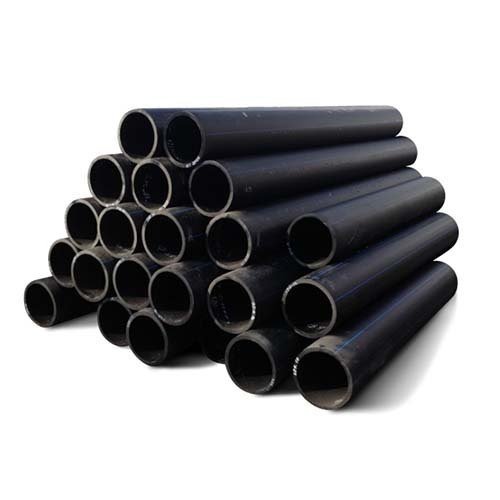
Carbon steel pipe is one of the most widely used piping materials in industry because it combines strength, weldability, availability, and relatively low cost. It is used to transport water, steam, oil, gas, chemicals, and other fluids in power plants, refineries, factories, buildings, pipelines, and process facilities. But “carbon steel pipe” is not one single material. Different pipe specifications are designed for different temperatures, pressures, manufacturing methods, and toughness requirements. A seamless high-temperature pipe under ASTM A106 is not interchangeable with low-temperature pipe under ASTM A333, structural tubing, ordinary water pipe, or line pipe produced to an API specification. One important correction to older explanations is that high-carbon steel is not generally the preferred material for process piping. Many common pipe grades are low- or moderate-carbon steels because lower carbon content usually improves weldability and toughness. High-carbon steels can be hard and strong, but they are also more difficult to weld and less ductile—properties that can be disadvantages in pressure piping.
For cold-service systems, specialized products such as Low-Temperature CS Seamless Pipes are selected because notch toughness at low temperature matters as much as room-temperature strength. This guide explains carbon steel pipe types, common ASTM and API specifications, seamless vs. welded construction, low-temperature service, applications, corrosion, welding, schedules, pressure design, inspection, and material-selection considerations.
What Is Carbon Steel Pipe?
Carbon steel is an iron-based alloy in which carbon is one of the principal strengthening elements. It also normally contains manganese and small amounts of other elements permitted by the material specification. Unlike stainless steel, carbon steel does not contain enough chromium to form the highly corrosion-resistant passive film associated with stainless grades. Carbon steel is often categorized broadly by carbon content: Low-carbon steel: generally below about 0.25% carbon; Medium-carbon steel: roughly 0.25% to 0.60% carbon; High-carbon steel: roughly 0.60% and above. These are general metallurgical categories, not piping specifications. Why Low-Carbon Steel Is Common in Pipes. Pressure piping frequently needs to be: welded; bent; flanged; machined; field repaired; inspected; subjected to pressure and temperature cycles.
Low- and moderate-carbon steels are well suited to these requirements because they can provide a useful balance of strength, ductility, toughness, and weldability. Increasing carbon generally raises hardness and strength potential but can: reduce weldability; increase hardening in the heat-affected zone; reduce ductility; increase cracking risk if welding is not controlled. Carbon Steel Pipe Is Defined by Specification, Not Just Carbon Percentage. Engineers normally specify pipe using a recognized material standard. Common examples include: ASTM A106 for seamless carbon steel pipe for high-temperature service; ASTM A53 for pipe used in mechanical and pressure applications and ordinary steam, water, gas, and air lines; ASTM A333 for seamless and welded pipe intended for low-temperature service and applications requiring notch toughness; API 5L for line pipe used in oil and gas pipeline transportation systems. Each standard defines requirements for: chemical composition; mechanical properties; manufacturing method; heat treatment where applicable; testing; dimensions; marking.
Major Specifications: ASTM A106, A53, A333, and API 5L
The active ASTM International – A106/A106M-26 Seamless Carbon Steel Pipe for High-Temperature Service covers seamless carbon steel pipe for high-temperature service and is suitable for welding, bending, flanging, and similar forming operations when an appropriate welding procedure is used. The ASTM International – A333/A333M Low-Temperature Pipe covers low-temperature applications where notch toughness and impact performance become central. For line pipe, American Petroleum Institute – Pipeline Standards is the correct starting point; API published the 47th edition of Specification 5L in June 2026 with updated requirements covering manufacturing quality, testing, sour service, traceability, and CO2 transport. These standards are not interchangeable merely because each may involve carbon steel. ASTM A106 Carbon Steel Pipe. ASTM A106/A106M covers seamless carbon steel pipe for high-temperature service.
ASTM states that A106 pipe is intended for applications where the pipe may need to be: welded; bent; flanged; formed. Common grades include: A106 Grade A; A106 Grade B; A106 Grade C. Grade B is especially common in process plants. ASTM A53 Pipe. ASTM A53 covers seamless and welded pipe in several types and grades. It is frequently used for: water; air; steam; mechanical systems; general industrial piping. A53 and A106 overlap in some applications, but they are not automatically identical. Project specifications and piping codes determine which material is acceptable. ASTM A333 Low-Temperature Pipe. ASTM A333/A333M is specifically designed for seamless and welded carbon and alloy steel pipe for low-temperature service or other applications requiring notch toughness.
This matters because steel can become more brittle as temperature falls. A pipe that is safe at ambient temperature may not be suitable for: cryogenic-adjacent service; refrigeration systems; cold-climate facilities; low-temperature process streams. Why Impact Toughness Matters. Tensile strength does not fully describe how a pipe will behave in cold service. A material can have adequate yield strength but still fracture in a brittle manner if toughness is poor. Low-temperature specifications therefore include impact-testing requirements at defined temperatures. Charpy V-notch testing is commonly used to evaluate the energy a material can absorb before fracture. API 5L Line Pipe. API 5L is widely used for oil and gas transmission pipelines. Line-pipe grades are designed around pipeline requirements such as: strength; toughness; weldability; dimensional control; manufacturing quality. Pipeline material selection also considers: design pressure; diameter; wall thickness; terrain; fracture control; sour-service conditions; corrosion management.
Seamless vs. Welded Pipe and Wall Thickness
Seamless vs. Welded Carbon Steel Pipe. Carbon steel pipe can be manufactured by several processes. Seamless pipe. Seamless pipe is produced without a longitudinal weld seam. Typical advantages can include: uniform pressure-containing wall; availability in high-pressure grades; established use in process and power piping. Welded pipe. Welded pipe is formed from plate or strip and joined along a seam. Modern welded pipe can provide excellent quality when manufactured to the correct standard. Welded construction can be economical for: large diameters; long pipelines; structural applications; general process service. Is Seamless Pipe Always Stronger?. No. Strength is controlled by: material grade; heat treatment; wall thickness; manufacturing specification; quality control.
A properly specified welded pipe can safely perform in demanding service. The engineering question is whether the product complies with the code and material requirements for the system. Pipe Schedule and Wall Thickness. Pipe schedule is a standardized way of identifying nominal wall thickness. Common schedules include: Schedule 10; Schedule 20; Schedule 40; Schedule 80; Schedule 160; XXS. For a given nominal pipe size, a higher schedule generally means a thicker wall. But schedule is not itself a pressure rating. Why Schedule Is Not the Same as Pressure Class. Allowable pressure depends on: outside diameter; wall thickness; material allowable stress; design temperature; corrosion allowance; joint efficiency; code rules; manufacturing tolerance. Two pipes with the same schedule but different materials can have different allowable pressures.
Oil, Gas, Water, Steam, and Process Applications
Carbon Steel Pipe for Oil and Gas. Carbon steel is common in: crude oil pipelines; natural gas pipelines; refinery piping; gas-processing plants; terminals; tank farms. The material is economical and available in large sizes. However, hydrocarbons can contain: water; carbon dioxide; hydrogen sulfide; chlorides; organic acids. These can create severe internal corrosion. Sour Service. Hydrogen sulfide can create sulfide stress cracking and other damage mechanisms. For sour service, material selection may need to follow NACE MR0175 / ISO 15156 or other applicable standards. Hardness, welding, heat treatment, and chemical composition can become critical. Water Distribution and Utility Systems. Carbon steel pipe is used in many industrial water systems, including: cooling water; fire water; closed-loop heating and cooling; boiler feed systems; industrial wastewater.
Corrosion protection may include: coatings; linings; corrosion inhibitors; cathodic protection; water-chemistry control. Steam and Power-Plant Piping. Carbon steel is widely used for lower- and moderate-temperature steam systems. At very high temperatures, creep resistance becomes important and alloy steels containing chromium and molybdenum may be selected instead. A106 pipe is commonly associated with elevated-temperature process service, but exact temperature limits depend on the material grade and governing code. Petrochemical and Chemical Plants. Carbon steel is often the default material of construction when corrosion rates are manageable. It may be used for: hydrocarbon process lines; utilities; steam; condensate; nitrogen; air; some non-corrosive chemicals.
Where chemicals are too corrosive, engineers may select: stainless steel; duplex stainless; nickel alloys; lined carbon steel; non-metallic piping. Low-Temperature Applications. Low-temperature carbon steel pipe is used where ordinary carbon steel may not provide adequate fracture toughness. Applications include: refrigeration; cold process lines; LPG and gas facilities; cold-climate installations; process streams below normal ambient temperatures. Why Normal Carbon Steel Can Become Brittle. Ferritic carbon steels can exhibit a ductile-to-brittle transition. At higher temperature, the material may deform before fracture. At sufficiently low temperature, fracture can become more brittle and rapid. This is why low-temperature design requires toughness data rather than only tensile strength. Construction and Structural Uses. Carbon steel pipe is also used structurally for: columns; supports; piles; frames; handrails; equipment structures. Structural pipe or hollow sections may be governed by different standards than pressure pipe. Do not assume a pressure-pipe specification is the best choice for structural design or vice versa. Automotive and Machinery Uses. Carbon steel tubing can appear in: automotive components; hydraulic systems; machinery; shafts; frames; rollers. These products may use specialized tube standards rather than ordinary process-pipe specifications.
Corrosion, Coatings, and Sour Service
Corrosion Is the Main Limitation. Carbon steel is strong and economical, but it does not have stainless steel’s passive chromium-rich surface. In the presence of oxygen and moisture, it can rust. Corrosion mechanisms include: general wall loss; pitting; under-deposit corrosion; microbiologically influenced corrosion; erosion-corrosion; CO₂ corrosion; H₂S-related damage; external soil corrosion. Corrosion Allowance. Engineers may add extra wall thickness to account for predictable corrosion over the design life. For example, a piping design might include a corrosion allowance of several millimeters if the process data justify it. Corrosion allowance is not a substitute for proper corrosion control when attack is severe or localized. Coatings and Linings. External coatings can protect buried or atmospheric pipe. Internal linings can protect against: water; chemicals; abrasion; corrosive process fluids. Common systems can include: epoxy; fusion-bonded epoxy; polyethylene; cement mortar; rubber or polymer linings. Cathodic Protection. Buried pipelines often use cathodic protection together with coatings. The system reduces the electrochemical driving force for corrosion by making the pipe behave as the cathode of a controlled corrosion cell. Common methods include: sacrificial anodes; impressed-current systems.
Welding, Heat Treatment, and Testing
Welding Carbon Steel Pipe. Carbon steel is generally weldable, but weldability depends on: carbon content; carbon equivalent; wall thickness; material strength; hydrogen control; preheat; interpass temperature; post-weld heat treatment where required. Higher carbon equivalent can increase hardening and cracking risk. Why High-Carbon Steel Is Poor for Most Piping. The original short version of this article suggested that high-carbon steel is best for pipes because of its hardness and strength. That is not generally correct. Pressure pipe needs more than hardness. It also needs: ductility; fracture toughness; weldability; formability; reliable behavior under pressure cycles. Excessive hardness can be a disadvantage. Heat Treatment. Depending on the grade and manufacturing method, pipe may be: normalized; stress relieved; quenched and tempered; otherwise heat treated.
Heat treatment controls: microstructure; strength; toughness; residual stress. Mechanical Testing. Pipe specifications can require tests such as: tensile testing; flattening; bend testing; hydrostatic testing; nondestructive electric testing; impact testing for low-temperature grades. ASTM A106/A106M-26, for example, specifies tensile and other mechanical testing for seamless carbon steel pipe intended for high-temperature service. Hydrostatic Testing. Hydrostatic tests pressurize the pipe with liquid to verify pressure integrity. The specific required pressure and acceptance criteria depend on the product specification. Some standards permit approved nondestructive electric testing under defined conditions. Nondestructive Examination. NDE methods can include: ultrasonic testing; radiography; magnetic particle testing; liquid penetrant testing; eddy-current or electromagnetic testing. The required method depends on: weld type; service severity; code; customer specification.
Material Traceability and Procurement
The applicable design and construction code must also be checked. The ASME – Piping Codes and Standards should be reviewed alongside material specifications because allowable stress, design pressure, fabrication, examination, inspection, and service requirements come from the governing piping code and project documents rather than the material grade alone. Material Test Certificates. For critical piping, buyers should require traceable material documentation. Certificates may include: heat number; chemical composition; mechanical properties; heat treatment; test results; product specification. Positive Material Identification. PMI is more commonly associated with alloy verification, but some projects also use it to distinguish carbon, low-alloy, and stainless materials. Material control is particularly important where accidental substitution could create low-temperature or corrosion failure. Pipe Size Terminology. Industrial pipe is commonly described by: NPS — Nominal Pipe Size; DN — nominal metric diameter; schedule or wall thickness. The nominal size does not always equal the exact measured outside or inside diameter.
How to Choose Carbon Steel Pipe
Ask:
- What fluid is being transported?
- What is the design pressure?
- What is the design temperature?
- What is the minimum temperature?
- Is impact toughness required?
- Is the fluid corrosive?
- Is sour service possible?
- Will the pipe be welded?
- What code applies?
- What corrosion allowance is required?
- Is seamless construction required?
- What inspection level is needed?
When Carbon Steel Is a Good Choice. Carbon steel is often ideal when: process chemistry is not excessively corrosive; pressure and temperature fall within the grade’s limits; weldability is important; large sizes are needed; cost matters; corrosion can be controlled. When to Consider Another Material. Consider alternatives when: corrosion rate is too high; chloride pitting is severe; high-temperature creep is important; very low-temperature toughness is required beyond carbon-steel capability; product contamination must be avoided; weight reduction is critical. Alternatives can include: stainless steel; duplex stainless; low-alloy steel; nickel alloy; titanium; lined steel; plastic or composite pipe. Frequently Asked Questions. Is carbon steel pipe the same as black steel pipe?. “Black steel pipe” generally refers to ungalvanized steel pipe with a dark oxide surface. It is often carbon steel, but the term does not identify a complete material specification.
Is high-carbon steel used for process piping?. Not usually as the general default. Low- and moderate-carbon pipe grades are much more common because they balance strength with weldability and toughness. What is ASTM A106 used for?. ASTM A106 covers seamless carbon steel pipe for high-temperature service. What is ASTM A333 used for?. ASTM A333 covers seamless and welded carbon and alloy steel pipe for low-temperature service and other applications requiring notch toughness. Is seamless pipe always better than welded pipe?. No. Both can be suitable when designed and manufactured to the correct standard.
Conclusion
Carbon steel pipe remains a fundamental engineering material because it offers a practical combination of strength, weldability, availability, and cost. It is used in oil and gas, power generation, water systems, petrochemical plants, pipelines, construction, machinery, and many other industries. The key is to select the correct specification rather than relying on the general term “carbon steel.” ASTM A106 is associated with seamless high-temperature service, ASTM A333 with low-temperature toughness, ASTM A53 with general pressure and mechanical applications, and API 5L with line pipe. High-carbon steel is not generally the best choice for pressure piping. In most systems, engineers value weldability, ductility, and fracture toughness as much as raw hardness or strength. Reliable piping design therefore considers the complete service envelope: pressure, maximum and minimum temperature, corrosion, welding, toughness, manufacturing method, wall thickness, inspection, and the governing code. When those factors are matched to the correct grade, carbon steel pipe can provide long, economical service in some of the world’s most demanding industrial systems.