
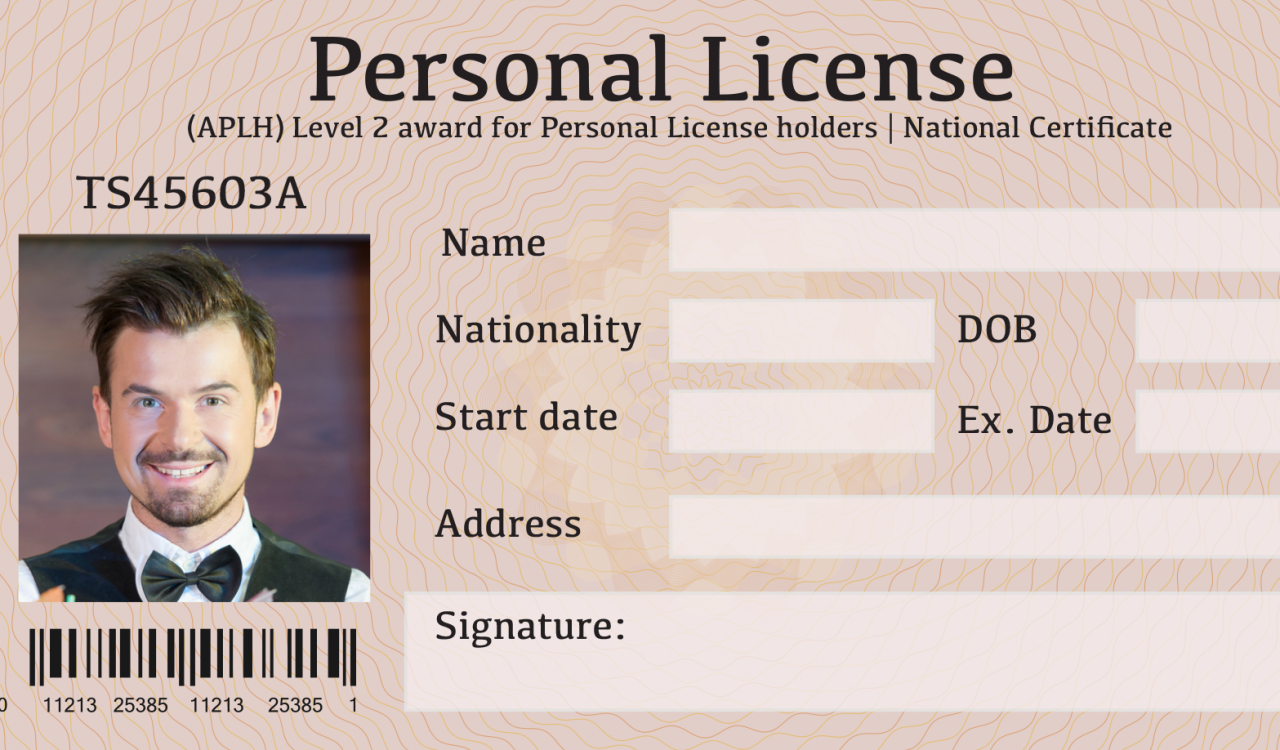
A personal licence in Scotland allows an individual to authorise alcohol sales on licensed premises and is a core qualification for people who take responsibility for alcohol retailing, hospitality, pubs, restaurants, hotels, clubs, and other licensed businesses. The licence belongs to the individual rather than to a particular pub or shop, but it does not by itself permit alcohol to be sold from any location. The premises must still have the appropriate premises licence or other legal authority for the sale.
The process is governed by the Licensing (Scotland) Act 2005 and administered locally by Scotland’s Licensing Boards. The central steps are to complete an accredited licensing qualification, apply to the correct Licensing Board with the required documents and fee, and then maintain the licence by completing refresher training every five years and renewing the personal licence every ten years. Because boards can publish local forms and administrative requirements, applicants should always check the website of the Licensing Board that will receive the application before submitting it.
What a Scottish Personal Licence Allows You to Do
On licensed premises, alcohol sales must be authorised generally or specifically by a personal licence holder. The designated premises manager named on a premises licence must hold a personal licence, and businesses often train additional staff so that responsibility for authorising sales, staff instruction, and compliance does not rest on one person alone. A personal licence therefore concerns the individual’s authority and responsibilities within the licensing system, while a premises licence concerns the place from which alcohol is sold.
This distinction is important for new applicants. Holding a personal licence does not mean you can open a pop-up bar anywhere, sell alcohol from your home, or operate a pub without the premises being licensed. Temporary events may require an occasional licence, and other activities can have separate licensing requirements. If your goal is to run a particular premises, you need to consider both the personal and premises sides of the Scottish licensing regime.
Eligibility and the Training Requirement
An applicant must meet the statutory requirements and hold an accredited licensing qualification before the Licensing Board can determine the application. Scottish Government guidance explains that the relevant qualification must be accredited by Scottish Ministers for personal-licence purposes. Training providers operate commercially, but applicants should verify that the course and awarding body are currently recognised rather than assuming that any generic “alcohol licensing” course will qualify.
The training is designed to ensure that personal licence holders understand the Scottish licensing objectives, legal responsibilities, age verification, responsible alcohol sales, offences, staff training, and the operation of licensed premises. The qualification is not a one-time exercise: once the licence is granted, refresher training is required during each five-year period in which the licence has effect.
Where to Apply
Applications are made to the appropriate local Licensing Board. Scotland has 32 local authority areas, and the boards publish application forms, contact information, payment arrangements, and local administrative instructions. The correct board will depend on the rules in the legislation and your circumstances, so do not simply send the application to the council where you work without checking the form guidance.
The Scottish Government’s Scottish Government — Personal Licence Holders directs applicants to the relevant Licensing Board and emphasizes that licensing boards are responsible for administering personal licences. Local websites are also the best place to confirm accepted payment methods, photograph requirements, and whether applications can be submitted electronically or must be delivered in another format.
Documents You Should Prepare
A typical personal-licence application requires the completed application form, evidence of the accredited licensing qualification, photographs that meet the board’s stated requirements, and the application fee. The board may also require information about relevant or foreign offences in accordance with the Act. Because licensing applications involve formal declarations, answer conviction questions accurately and do not assume that an old or minor conviction can simply be omitted.
Police involvement forms part of the statutory process. A conviction does not necessarily mean that every application will automatically fail, but relevant or foreign offences can affect how the application is handled and may result in the matter being considered by the board. If you have a conviction and are unsure how it should be disclosed, obtain legal advice or speak to the Licensing Board before filing an incomplete or inaccurate application.
The Application Process From Training to Decision
- Confirm that you need a personal licence. Determine whether your role will involve authorising alcohol sales or acting as a designated premises manager.
- Complete an accredited qualification. Use a recognised provider and keep the certificate safely.
- Obtain the current application form. Download it from the Licensing Board or local authority website rather than relying on an old saved copy.
- Prepare photographs and supporting documents. Follow the board’s exact instructions for certification, format, and identification.
- Disclose relevant information accurately. Complete conviction and personal details carefully.
- Pay the prescribed fee and submit the application. Keep evidence of submission and payment.
- Respond promptly to any board request. If additional information is required, delays can slow the application or prevent it from being determined.
The time taken to issue a licence can vary because applications may involve administrative checks, police notification, board scheduling, incomplete documentation, or other local factors. Applicants who need the licence for a new job should therefore avoid assuming that it will be granted immediately after the training course. Start early enough to allow the board to process the application properly.
How Long the Licence Lasts
A Scottish personal licence is subject to a ten-year renewal cycle. Current Scottish Government guidance states that a licence holder must apply to renew the personal licence every ten years and lodge the renewal application no later than three months before the expiry date. The guidance also lists a £50 renewal application fee, although applicants should still check the current Licensing Board instructions when their renewal becomes due.
The ten-year renewal does not replace the separate refresher-training requirement. A licence can still become invalid if the holder ignores the five-year training obligation even though the printed expiry date is years away. The easiest compliance approach is to maintain a calendar containing the licence issue date, each five-year training deadline, the deadline for submitting training evidence, and the ten-year renewal date.
Refresher Training Every Five Years
Scottish Government guidance requires personal licence holders to undertake refresher training every five years. Completing the course is only part of the obligation: evidence of the completed training must also be sent to the Licensing Board that issued the personal licence. The board needs the training certificate along with the identifying information it requires so that the training can be recorded against the correct licence.
The guidance states that the evidence can be submitted after the training is completed, up to three months after the expiry of the relevant five-year period. Missing the evidence requirement is serious because the Licensing Board must revoke the personal licence if the statutory requirement is not met. Licence holders should therefore treat the training date as an advance deadline, not something to book during the final week.
Coordinating Refresher Training With Renewal
Every second five-year refresher period will broadly coincide with the ten-year renewal cycle. Scottish guidance encourages licence holders to think about these obligations together so that training evidence and the renewal application are not handled as unrelated last-minute tasks. The Scottish Government — Personal Licences Guidance confirms that refresher training is required within each five-year period and that evidence must be provided to the board within the required time.
Do not assume that taking a course automatically updates the Licensing Board’s records. The training provider may give you a certificate, but responsibility for making sure the evidence reaches the board rests with the licence holder. Keep copies of certificates, submission emails, receipts, and any acknowledgment from the board for the life of the licence.
Your Responsibilities After the Licence Is Granted
A personal licence holder is expected to understand and support the five licensing objectives: preventing crime and disorder, securing public safety, preventing public nuisance, protecting and improving public health, and protecting children and young persons from harm. In practice, that means much more than checking identification at the bar. Licence holders may be involved in authorising sales, training staff, supervising promotions, responding to intoxicated customers, implementing age-verification policies, and making sure premises conditions are followed.
Age verification is particularly important. Licensed premises must apply the age-verification policy required by Scottish licensing law and premises conditions. A personal licence holder should ensure that staff know when identification must be requested, which forms of identification the business accepts, when a sale should be refused, and how refusals are recorded. Staff can sell alcohol without each employee holding a personal licence, but their sales must take place within the legal framework and under appropriate authorisation and training.
Changes of Name, Address, or Licence Status
If you change your name or address, lose the licence, or believe it has been stolen, damaged, or destroyed, contact the issuing Licensing Board promptly and follow its procedure. Do not wait until the next renewal. Keeping current contact information is also important because a board may send statutory or administrative correspondence connected with your licence.
Similarly, if you move to another council area or change employer, do not assume that the underlying personal licence disappears simply because the job changed. The licence is personal, but the way it is used at a particular licensed premises still depends on the premises licence and the role you occupy. If you become the designated premises manager at a new location, the premises-licence records must be handled appropriately.
Suspension, Revocation, and Convictions
Personal licences can be affected by non-compliance, relevant convictions, licensing-board proceedings, and failure to meet statutory training requirements. This is one reason the licence should be treated as an ongoing professional responsibility rather than a certificate obtained once and forgotten. If the board writes to you about a review, conviction, training default, or another licensing issue, respond promptly and obtain legal advice where appropriate.
Licence holders should also understand that a premises can face its own review or enforcement issues independently of the personal licence. Good compliance therefore requires both individual competence and a business system for training, recordkeeping, refusals, incident management, premises conditions, and responsible retailing.
Common Application and Renewal Mistakes
First-time applicants often delay because they use an outdated form, complete a course that is not currently accredited for the Scottish personal licence, omit required photographs, fail to answer conviction questions fully, or submit the application to the wrong board. Existing licence holders face a different set of risks: forgetting the five-year refresher deadline, completing training but failing to send the certificate to the board, waiting until fewer than three months remain before expiry, or assuming the board will automatically remind them.
The simplest safeguard is a compliance file containing the original licence, training certificates, issue and expiry dates, board correspondence, proof of refresher submissions, and renewal documents. Employers with several personal licence holders should maintain their own compliance calendar as well, but the individual holder should not rely entirely on the employer because the legal obligation belongs to the licence holder.
Practical Timeline for a New Licence Holder
| Stage | What to do |
|---|---|
| Before first application | Complete an accredited personal-licence qualification and obtain the current local application form. |
| Application | Submit the form, photographs, qualification evidence, declarations, and required fee to the correct Licensing Board. |
| During the first five years | Track the exact five-year refresher deadline and book training early. |
| After refresher training | Send the required evidence to the issuing Licensing Board within the statutory period. |
| Before ten-year expiry | Lodge the renewal application no later than three months before the expiry date and coordinate it with the relevant refresher obligation. |
Conclusion
Getting a personal licence in Scotland is a manageable process when you treat it as an ongoing compliance responsibility rather than a one-off training course. Complete an accredited qualification, use the current application form from the correct Licensing Board, submit accurate supporting information, and keep records of everything you send. After the licence is granted, remember the two dates that matter most: refresher training every five years and renewal every ten years, with the renewal application lodged no later than three months before expiry. Local Licensing Boards administer the process, so their current forms and instructions should always be checked before an application, refresher submission, or renewal.