
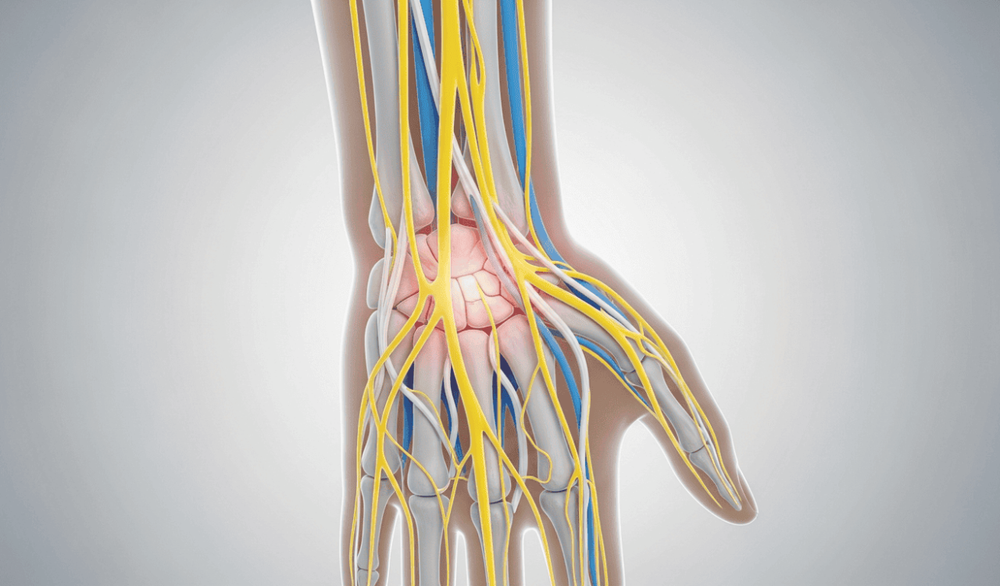
Waking up with numb, tingling hands can disrupt your entire day. Carpal tunnel syndrome affects millions of people, making simple tasks like typing, driving, or holding a coffee cup painfully difficult. Carpal tunnel syndrome can make everyday activities challenging when tingling and numbness persist. The constant wrist pain and weakness can interfere with work, hobbies, and sleep.
Many people worry that surgery is their only option. The thought of going under the knife, taking time off work, and facing a lengthy recovery can be overwhelming. But here’s the good news.
You can treat carpal tunnel syndrome effectively with non-surgical methods in many cases. Relief without surgery is possible through conservative treatments that work exceptionally well for mild to moderate symptoms. From wrist splints to targeted exercises, multiple proven approaches provide lasting carpal tunnel relief.
An expert chiropractor specializing in carpal tunnel syndrome treatment in Bolingbrook will share the most effective non-surgical approaches in this guide.
Recognising Carpal Tunnel Symptoms
Understanding carpal tunnel symptoms helps you identify the problem early. The most common signs include numbness and tingling in your hand and fingers, particularly the thumb, index, and middle fingers. You might notice weakness when holding objects.
Symptoms of carpal tunnel syndrome typically worsen at night. Many people wake up needing to shake out their hands to restore feeling. Activities like holding a phone, reading a book, or gripping a steering wheel can trigger discomfort.
Pay attention if you experience constant numbness or muscle wasting at the base of your thumb. These signs indicate severe nerve compression. Dropping objects frequently or difficulty with fine motor tasks like buttoning shirts signals that you need immediate medical attention. When the condition is diagnosed early, treatment options are more effective and can prevent permanent damage. A healthcare provider will diagnose carpal tunnel syndrome through physical examination and nerve conduction tests.
Wrist Splint: Most Effective Carpal Tunnel Treatment (First-Line Relief)

A wrist splint is one of the simplest and most effective treatments available. Wearing a wrist splint keeps your wrist in a neutral position, which directly reduces pressure on the median nerve. This neutral position prevents the nerve from being compressed inside the carpal tunnel. The carpal tunnel is a narrow passageway on the palm side of the wrist, formed by carpal bones and the transverse carpal ligament. Splinting helps alleviate pressure on the median nerve that runs through this tight space.
Carpal tunnel syndrome symptoms discomfort gets especially at night when your wrist naturally bends during sleep. Most people benefit from nighttime splinting. Your wrist naturally bends during sleep, which increases pressure on the median nerve and causes those uncomfortable symptoms at night. A splint prevents this unwanted bending.
You can find quality splints available over the counter at pharmacies or online. Look for a splint with firm support that maintains your wrist straight. Proper padding and adjustable straps ensure comfort during extended wear.
The splint should feel snug but not tight. Your fingers should move freely while the wrist stays immobilized. Many people notice symptom improvement within a few weeks of consistent use.
Wearing a wrist splint during activities that trigger symptoms can also help. This includes typing, using tools, or any repetitive hand movements.
Hand and Wrist Exercises for Carpal Tunnel Pain Relief (Physical Therapy Guide)
Working with a physical therapist can significantly improve your condition. A physical therapist creates a personalized treatment plan targeting your specific symptoms and functional limitations. They teach you proper techniques to avoid further nerve compression.
Simple exercises can reduce pain and improve grip for people with carpal tunnel syndrome. These movements also help strengthen your hand and upper extremity. Nerve gliding exercises are particularly effective. These gentle movements help the median nerve move more freely through the carpal tunnel. Start by extending your arm straight with your palm facing up, then gently bend your wrist back and forth in a controlled motion.
Wrist stretches provide immediate relief. Extend one arm forward with your palm up. Use your other hand to gently pull your fingers back toward your body until you feel a stretch. Hold for 20 seconds, then relax. Repeat this 5-10 times per session to relieve pain effectively.
Finger stretches complement wrist exercises. Spread your fingers wide, then make a tight fist. Open and close your hand and fingers slowly, focusing on full range of motion.
Strengthening exercises help improve grip strength over time. Squeezing a soft stress ball or therapy putty builds muscle without straining the wrist. Start with gentle pressure and gradually increase resistance. These targeted movements reduce pain and improve grip strength throughout your upper extremity.
These exercises improve blood flow to the affected area, which promotes healing and helps reduce symptoms. Better circulation delivers oxygen and nutrients to compressed tissues. Practice these movements 2-3 times daily for best results.
Consistency matters more than intensity. Even 5 minutes of simple exercises can help you find relief when performed regularly.
Corticosteroid Injections and Anti-Inflammatory Medications
Corticosteroid injections offer targeted relief for stubborn symptoms. Your doctor injects the medication directly into the carpal tunnel to reduce inflammation around the median nerve. This treatment works by decreasing swelling and pressure inside the narrow passageway. According to clinic, many patients find relief from pain from carpal tunnel syndrome with this approach.
Most patients experience symptom relief for approximately three months. Some studies show that about one-third of patients achieve long-term improvement from a single injection. This makes corticosteroid injections a valuable option before considering surgery.
Over-the-counter NSAIDs like ibuprofen can provide temporary relief. Non-steroidal anti-inflammatory drugs help reduce pain and swelling in mild cases. These medications work best when combined with other conservative treatments like splinting and exercises.
However, NSAIDs have limitations for carpal tunnel treatment. They don’t address the underlying nerve compression. Long-term use isn’t recommended due to potential side effects on your stomach and kidneys.
Anti-inflammatory drugs serve as a supplementary treatment rather than a primary solution. Use them for short-term symptom management while implementing more effective interventions.
Tips for Carpal Tunnel Pain Prevention Without Surgery (Ergonomic Adjustments)
Simple workplace changes can dramatically reduce wrist strain. Adjusting your keyboard and mouse position helps manage carpal tunnel syndrome by keeping your wrists in a neutral alignment. Your keyboard should sit at elbow height, allowing your forearms to rest parallel to the floor. With proper modifications, people can manage carpal tunnel syndrome effectively without invasive procedures.
Choose an ergonomic mouse that supports your hand naturally. A vertical mouse reduces the twisting motion that causes carpal tunnel syndrome. Position it close to your keyboard to minimize reaching and awkward wrist angles.
Take frequent breaks during repetitive tasks. Set a timer to remind yourself to stretch and rest your hands every 30 minutes. Even brief pauses help reduce the cumulative stress on your wrist.
Pay attention to hand pressure during daily activities. Loosen your hold on tools, pens, and the steering wheel. A tight grasp increases pressure on the tendons and nerves inside the carpal tunnel.
Modify activities that trigger symptoms. If certain movements cause pain, find alternative ways to complete the task. These conservative treatments work best when combined with other interventions like splinting and exercises.
When to Seek Carpal Tunnel Syndrome Treatment (Professional Evaluation)
Consult an orthopedic specialist if symptoms persist after six months of conservative treatment. Orthopedic surgeons can evaluate whether carpal tunnel surgery is necessary for your specific case. Delaying professional evaluation risks permanent nerve damage. Persistent pain that doesn’t respond to conservative measures indicates you may need carpal tunnel surgery.
The American Academy of Orthopaedic Surgeons recommends surgery for severe cases. Severe carpal tunnel syndrome requires orthopedic surgery to prevent irreversible damage. Warning signs include constant numbness, muscle wasting at the thumb base, and progressive weakness. If you’re experiencing pain that interferes with sleep and daily activities, schedule an evaluation promptly.
Carpal tunnel release surgery prevents irreversible nerve damage. Early intervention provides better outcomes and faster symptom relief. Your doctor will develop a comprehensive treatment plan based on the severity of your condition and overall health. Surgical options include open surgery and endoscopic surgery, both of which release the transverse carpal ligament to relieve pressure.
Conclusion: What is The Most Effective?
Most cases of carpal tunnel syndrome respond well to non-surgical treatment. Combining wrist splinting, exercises, and lifestyle modifications provides effective carpal tunnel pain relief for mild to moderate symptoms. These approaches reduce pressure inside the carpal tunnel where the median nerve, tendons, and ligament are compressed. While conservative treatments may not cure carpal tunnel syndrome permanently in all cases, they effectively manage symptoms and restore function. Pain radiating from the base of your hand into your fingers can be significantly reduced with consistent treatment.
Start treatment early for the best results. Simple tips for carpal tunnel pain include wearing a splint at night, taking breaks during repetitive tasks, and using antiinflammatory medications as needed. Consistency with these conservative methods often eliminates the need for surgery.
If symptoms worsen or don’t improve within six months, consult a healthcare professional. The right treatment plan can restore your hand function and get you back to pain-free living with conservative methods.