
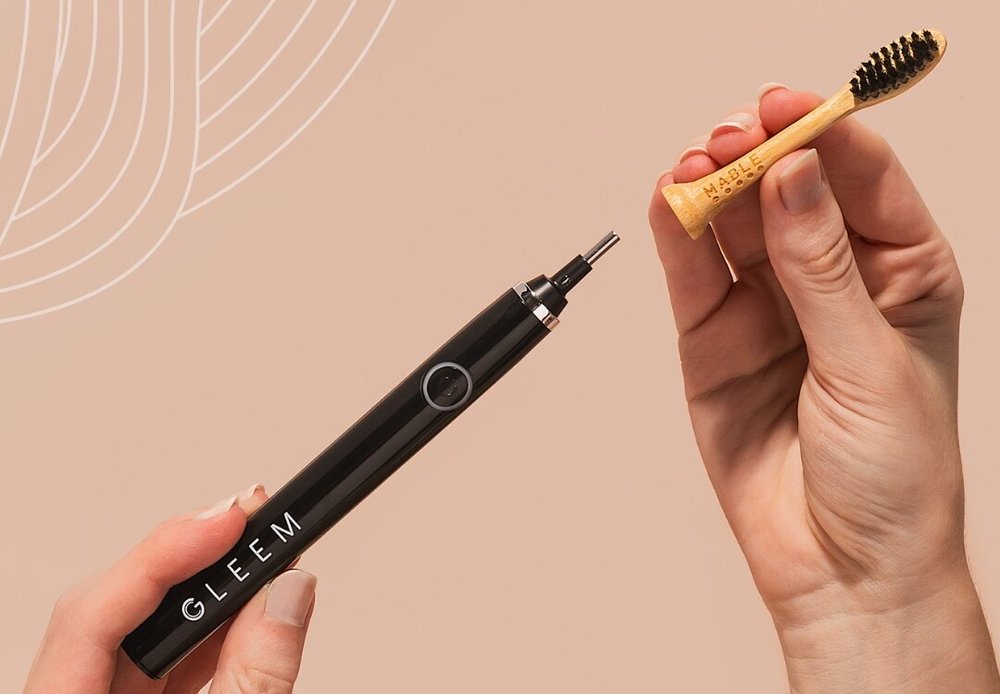
Electric toothbrush technology has evolved from simple motorized brushes into devices that combine controlled brushing motion with timers, pressure feedback, multiple cleaning modes, replaceable heads, and in some models app-connected guidance. The central purpose has remained consistent: to move the brush head in a regular powered pattern so users do not have to create all of the cleaning motion by hand. Different products use oscillating-rotating, sonic, or other movement systems, and the practical experience can vary depending on the brush head, power level, and brushing technique. An Electric Toothbrush should therefore be evaluated as a complete system rather than by motor speed alone. The design of the handle, availability of compatible replacement heads, battery life, charging method, pressure control, and ease of use can matter as much as the number of advertised features.
From Basic Powered Motion to Guided Brushing
Early powered toothbrushes focused mainly on automating repetitive brushing movement. Modern designs have added sensors and timing systems intended to make technique more consistent. A two-minute timer can help users brush for an appropriate overall duration, while quadrant pacing encourages more even attention across the mouth. Pressure sensors are particularly useful because excessive force can make brushing uncomfortable and may encourage aggressive technique. Some handles reduce motor intensity or provide a visual warning when too much pressure is detected. These functions do not replace good brushing habits, but they can make feedback immediate. A user still needs to position the brush head along the tooth and gum line, move methodically around the mouth, and clean every surface rather than assuming that the motor automatically reaches areas the brush never contacts.
Brush-head design has also changed as manufacturers developed different shapes, bristle layouts, and specialty options. Some heads are intended for general cleaning, while others emphasize smaller size, interdental access, sensitive brushing, or polishing. Because the head is the part that physically contacts teeth and gums, compatibility and replacement availability are practical long-term considerations. Users comparing electric toothbrush heads should confirm that a replacement is designed for their specific handle and follow the manufacturer’s guidance on when to change it. Worn or splayed bristles can reduce cleaning effectiveness and make the brush feel less controlled. Cost per replacement head can also become more important over several years than a small difference in the original handle price.
Battery, Charging, and Travel Features Have Improved
Rechargeable batteries have made electric toothbrushes more convenient by allowing longer periods between charges and eliminating the need to replace disposable cells in many models. Charging systems range from simple stands to USB-compatible travel chargers and cases, depending on the product. Battery life matters differently for different users. Someone brushing at home beside a permanent charger may care less about maximum runtime than a traveler who wants to carry one device for several weeks without extra accessories. Waterproofing or water resistance is also relevant because toothbrushes are used in wet environments, but users should follow the manufacturer’s instructions instead of assuming that every handle can be submerged. A damaged charging base, cracked handle, or exposed electrical component should not be used simply because the toothbrush still powers on.
Connected toothbrushes add another layer by using Bluetooth or other communication to send brushing information to a mobile application. Depending on the model, the app may track duration, pressure, coverage, or routine consistency and provide coaching based on those measurements. This can be useful for users who respond well to feedback, but it is not essential for everyone. A simpler brush with a timer and pressure sensor may provide all the guidance a person needs without adding an app, account, or phone to the bathroom routine. Connected features also raise practical questions about privacy, software support, and whether the application will remain compatible with future phones. Technology should therefore solve a brushing problem rather than become a reason to replace an otherwise functional device.
Good Technique Still Matters More Than Feature Count
Electric toothbrushes can make consistent brushing easier, but no feature compensates for skipping areas, brushing too briefly, or neglecting interdental cleaning. Users should follow dental guidance appropriate to their own oral health and use toothpaste, brushing pressure, and cleaning methods that suit their needs. People with braces, implants, gum disease, sensitivity, or recent dental work may need specific advice about brush heads or technique. The most expensive model is not automatically the best choice. A comfortable handle, readily available heads, reliable battery, useful pressure feedback, and a brushing pattern the user can control may provide more value than numerous modes that are rarely used. When replacing an Electric Toothbrush, compatibility and long-term consumable cost should be considered alongside new features.
Conclusion
The evolution of electric toothbrush technology reflects a shift from simple powered movement toward more consistent and guided brushing. Timers, pressure sensors, improved rechargeable batteries, specialized heads, travel charging, and connected apps can all make the experience easier when they address a real need. The underlying cleaning task, however, has not changed: the brush must contact every tooth surface with appropriate pressure and enough time. Users should therefore choose a device that fits their routine, feels comfortable, and has affordable replacement heads rather than selecting solely on the longest feature list. Good maintenance also matters because worn heads, damaged chargers, and neglected cleaning can reduce the benefit of an otherwise advanced brush. Technology can support better habits, but the most useful electric toothbrush is ultimately the one a person can use correctly and consistently over the long term.