
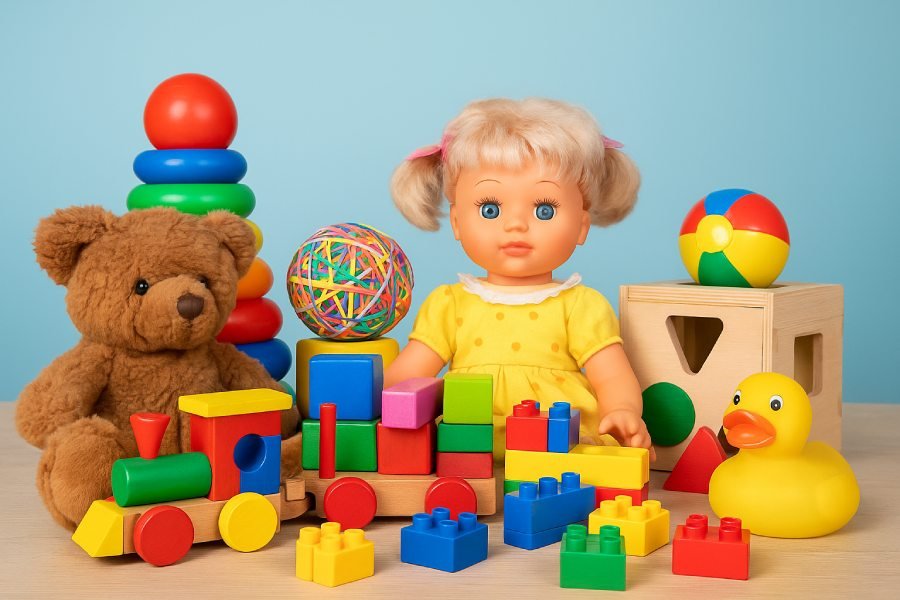
The global toy manufacturing sector has undergone tremendous transformation over the last decade. What was once a simple industry focused on wooden blocks, soft dolls, and basic plastic figures has now evolved into a dynamic ecosystem powered by technology, design innovation, and safety-driven production methods. Today’s toys incorporate electronics, advanced polymers, sensory features, and interactive functions that enhance learning and creativity. As toys become more complex, the need for reliable toy testing has never been more essential.
The toy industry is one of the fastest-growing consumer product categories worldwide. With new materials, smarter designs, and rising demand for educational and STEM-based toys, manufacturers are constantly upgrading their processes. However, with this expansion comes greater responsibility. Toys are meant for children, a highly vulnerable user group, making safety testing a non-negotiable part of manufacturing.
The Modern Toy Manufacturing Landscape
Today’s toy manufacturing sector is shaped by a combination of creativity, engineering, and market trends. Manufacturers now work with a wide variety of materials, including high-quality plastics, silicone, specialty fabrics, biodegradable materials, and coated surfaces. Electronic toys, interactive learning kits, voice-enabled devices, and rechargeable gadgets have created new opportunities—but also new challenges related to safety, durability, and compliance.
Several factors are influencing the modern toy production environment:
1. Advanced Materials
Manufacturers are using better polymers, safer coatings, and eco-friendly materials that improve durability and meet environmental expectations.
2. Smart Technology Integration
Many toys now include sensors, LED lights, rechargeable batteries, and interactive features that require specialized engineering.
3. Rising Global Demand
Online marketplaces have made toys accessible worldwide, increasing production volumes and the need for consistent safety standards.
4. Sustainability Trends
Brands are exploring recycled materials, plant-based plastics, and energy-efficient production processes.
As these innovations grow, manufacturers must ensure that toys remain safe for daily use, especially under unpredictable child behavior.
Why Toy Testing Has Become Essential
Toy testing is one of the most critical steps before a toy reaches the market. Since children often pull, chew, throw, bend, and squeeze their toys, every product must be evaluated for possible hazards. Proper testing helps prevent risks such as choking, electrical issues, chemical exposure, and structural breakage.
Toy testing ensures safety across multiple areas:
Mechanical and Physical Safety
Testing checks whether toys can withstand force, drops, and pressure. It identifies risks like sharp edges, small detachable parts, or weak joints that could break during play.
Chemical Testing
Many toys use paints, dyes, adhesives, plastics, and coatings. Chemical testing ensures they do not contain harmful substances such as heavy metals, restricted phthalates, or unsafe additives.
Flammability Checks
Fabric toys, foam-filled items, and coated surfaces undergo flammability testing to ensure they do not ignite easily.
Electrical and Battery Safety
Electronic toys must pass tests related to insulation, temperature rise, wiring strength, and battery compartment security.
Migration and Material Testing
This evaluates whether harmful chemicals could migrate when toys come into contact with saliva, sweat, or skin.
Together, these tests help ensure that a toy is safe before it is placed in a child’s hands.
Global Standards Governing Toy Testing
Every country has its own toy safety rules, but several international standards are widely recognized, such as:
Safety guidelines for mechanical and chemical hazards
Phthalate and heavy metal limits
Electrical safety requirements
Labeling and age-grade recommendations
For manufacturers aiming to sell products globally, meeting these standards is essential. Strict testing helps avoid recalls, penalties, and reputational damage.
Challenges in the Toy Manufacturing Sector
As toys continue to evolve, manufacturers face several challenges:
1. Complex Supply Chains
Many toys are made from components sourced worldwide. Tracking the safety of every part requires careful monitoring and testing.
2. Rising Safety Expectations
Parents today are more aware of product safety, pushing brands to prioritize non-toxic materials and durable construction.
3. Technological Complexity
Electronic toys demand specialized testing to ensure they are safe in both normal and extreme usage conditions.
4. Environmental Pressure
There is growing demand for toys that are not only safe but also environmentally responsible.
These challenges make toy testing even more crucial in ensuring consistent quality.
How Toy Testing Supports the Future of Safe Manufacturing
Toy testing plays a major role in creating sustainable and reliable products. It helps manufacturers:
Improve material selection
Build safer designs
Reduce product failures
Gain access to global markets
Build trust with parents and retailers
By understanding how materials behave under real-world conditions, manufacturers can develop toys that last longer, perform better, and remain safe throughout their lifecycle.
The Future of Toys and Safety Compliance
The toy manufacturing sector is moving toward smarter, eco-conscious, and technology-driven production. With new materials, digital components, and sustainable design trends, toy testing will continue to evolve. Testing laboratories may adopt faster screening tools, automated systems, and advanced analysis methods to support global safety requirements.
As innovation grows, one thing stays constant: toys must be safe. Toy testing ensures that creativity and safety move forward together, giving children safe products while supporting responsible manufacturing.