
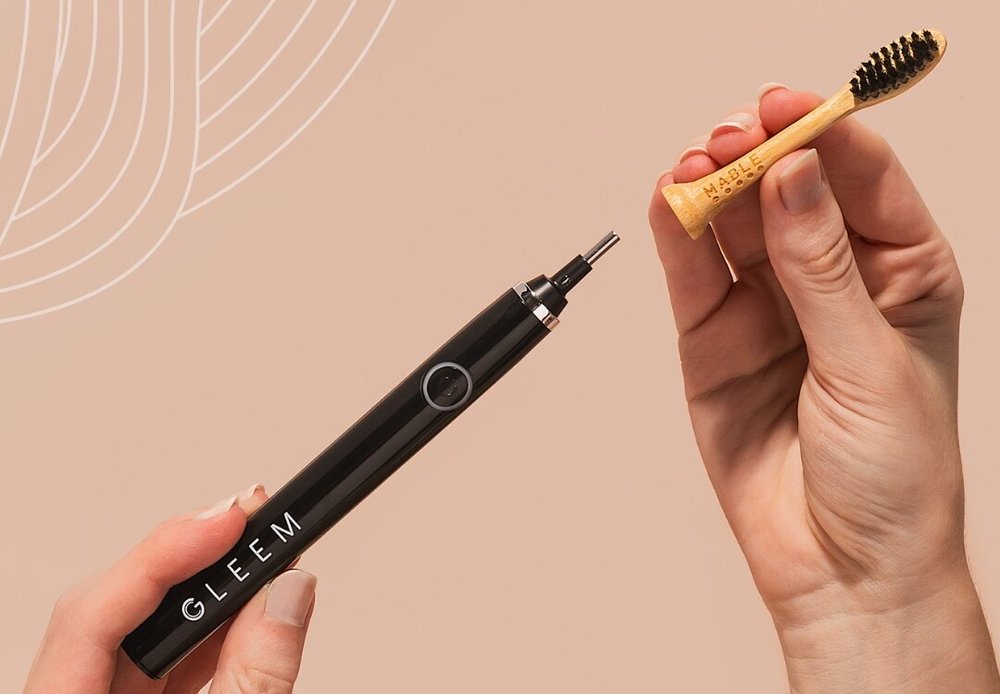
For many decades, brushing teeth was a simple task done with a manual brush. But as science and technology improved, so did our dental care tools. Today, the Electric Toothbrush has become one of the most popular devices for improving oral hygiene. From basic vibrating models to advanced smart brushes with sensors and apps, the journey of the Electric brush is truly fascinating. In this blog, we will explore how the electronic toothbrush has evolved, what features modern devices offer, and why electric toothbrush heads matter so much in maintaining strong, healthy teeth.
1. The Beginning of Electric Toothbrushes
The concept of an electric toothbrush started in the 1950s. The first electronic toothbrush was invented for people with limited mobility, such as patients with special needs or medical conditions. These early models were simple and used basic motor technology. The brush heads moved back and forth, but the speed and efficiency were limited.
During the 1960s, companies improved the design by adding rechargeable batteries instead of plug-in systems. This made electric brushes safer and more user-friendly. At that time, these brushes were considered luxury items and were not common in every home. Still, people started realizing that electric tools could offer better plaque removal than manual brushing.
2. The Rise of Sonic Technology
The biggest change came in the 1980s and 1990s with the introduction of sonic technology. Sonic toothbrushes create high-frequency vibrations that help remove plaque more deeply and effectively than standard electric models. This technology also helped clean areas that bristles could not reach directly.
Sonic technology changed the way people looked at oral care. Dentists began recommending these brushes to patients suffering from gum disease, plaque buildup, and sensitivity. Suddenly, the Electric Toothbrush became more than a device—it became a complete oral care system.
3. Modern Electric Brushes: Smart, Fast, and Intelligent
In the 2000s and 2010s, electric brushes became smarter. With digital transformation, companies introduced advanced features such as:
● Pressure Sensors
These sensors warn the user when they are brushing too hard. Over-brushing can damage gums and enamel, so pressure sensors help prevent long-term harm.
● Built-in Timers
Most people brush for less than 2 minutes. Electric toothbrushes with built-in timers ensure that every brushing session meets the dentist-recommended time.
● Multiple Cleaning Modes
Modern brushes offer modes such as:
- Daily Clean
- Sensitive Teeth
- Gum Care
- Whitening
- Deep Clean
This allows users to choose a setting according to their dental needs.
● Smart Connectivity
Some advanced electronic toothbrush models connect with mobile apps. They track brushing patterns, show missed spots, and help users build better habits.
● Improved Electric Toothbrush Heads
With time, electric toothbrush heads became more effective. There are now different types of heads for plaque removal, polishing, gum care, and sensitive cleaning. These specialized heads have improved the performance of electric brushes significantly.
4. The Importance of Toothbrush Heads in the Evolution
The brush head is the heart of an electric toothbrush. As technology evolved, toothbrush heads also improved in shape, bristle technology, and materials.
Types of Modern Toothbrush Heads
- Oscillating Heads: Rotate in circular motions for thorough cleaning
- Sonic Heads: Vibrate at high speeds to break down plaque
- Soft Bristle Heads: Designed for sensitive gums
- Whitening Heads: Polishing cups help remove surface stains
Research shows that a modern Electric brush with the right toothbrush head can remove significantly more plaque than manual brushing. This is why dental professionals recommend replacing electric toothbrush heads every 2–3 months.
5. The Transition to Eco-Friendly Designs
As sustainability became important worldwide, manufacturers started creating eco-friendly electric toothbrushes. New models use:
- Recyclable materials
- Long-life batteries
- Replaceable heads that reduce plastic waste
Some companies even introduced biodegradable heads and packaging. This shift proves that electric toothbrush technology continues to grow responsibly.
6. How AI is Changing the Future of Brushing
Artificial Intelligence is now entering the world of oral care. Modern smart electric toothbrushes use AI to:
- Detect which parts of your mouth you’ve missed
- Analyze brushing angles
- Show real-time data through mobile apps
- Give personalized brushing recommendations
This ensures a completely customized brushing experience. AI-powered electric brushes help users achieve better oral health with less effort.
7. Benefits of Using an Electric Toothbrush Today
Electric toothbrushes are not just a convenience—they offer real health benefits. Here are some advantages backed by dentists and studies:
● Better Plaque Removal
Vibrations and oscillations break down plaque better than manual brushes.
● Healthier Gums
Electric brushes improve blood flow in the gums and reduce the risk of gingivitis.
● Perfect for Sensitive Teeth
Modern electronic toothbrush models have soft bristles and gentle vibrating modes.
● Ideal for Kids and Elderly
Children and older adults often struggle with manual brushing. Electric brushes make the process easier and more effective.
● Consistent Brushing
Timers and smart features ensure proper cleaning every day.
8. Comparing Electric Brushes with Manual Brushes
Feature | Manual Brush | Electric Brush |
Cleaning Power | Medium | High |
Speed | Limited | Thousands of movements per minute |
Ease of Use | Requires effort | Minimal effort |
Technology | Basic | Advanced pressure control, sensors, and apps |
Suitability | Everyday use | Ideal for deeper cleaning and sensitive users |
It’s clear that electric brushes outperform manual brushes in almost every way. This is why people are switching from traditional brushing to advanced Electric Toothbrush options.
9. What to Look For When Buying an Electric Toothbrush
Choosing the right electric brush depends on your needs. Here are important things to consider:
● Brushing Modes
More modes mean better customization for your teeth and gums.
● Battery Life
A long-lasting rechargeable battery is essential for daily use.
● Type of Electric Toothbrush Heads
Choose heads that match your dental condition—gum care, whitening, or deep clean.
● Smart Features
If you like tracking habits, choose a brush with Bluetooth or AI features.
● Brand Quality
Always choose a high-quality brand recommended by dentists.
10. The Future of Electric Toothbrush Technology
The innovation in electric toothbrushes will continue to grow. Future trends include:
- Fully AI-automated brushing experiences
- Self-cleaning brush heads
- UV sanitizing docks
- Eco-friendly materials
- Medical-grade sensors to detect early signs of dental diseases
These advancements will make daily brushing more accurate, effective, and personalized.
Conclusion
The journey of the Electric Toothbrush from a simple motorized device to a smart, AI-powered oral care tool is truly remarkable. Today, electric brushes offer unmatched cleaning power, advanced technology, and personalized care. With features like multiple modes, improved electric toothbrush heads, and smart connectivity, maintaining oral hygiene has never been easier.
Electric brushes are not just tools—they are long-term investments in your dental health. Whether you prefer a basic electric brush or a high-end electronic toothbrush, modern options ensure cleaner teeth, healthier gums, and a brighter smile.
CTA: Ready to Upgrade Your Oral Care?
Explore the latest electric toothbrushes and find the perfect one for a healthier, brighter smile—start your journey today!