
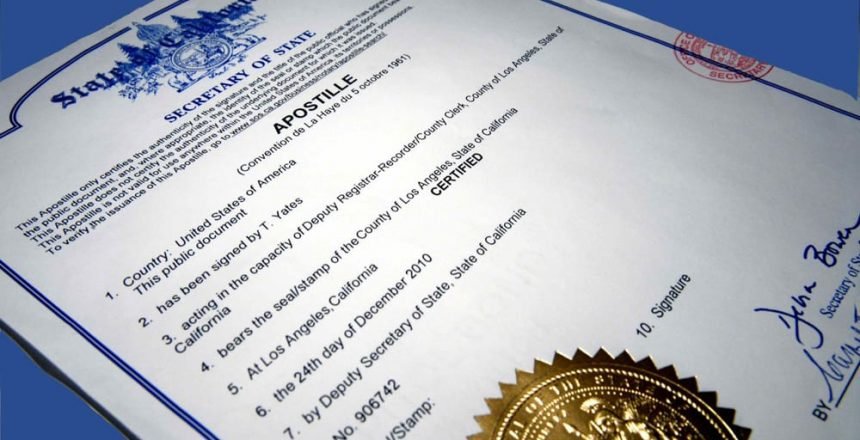
If you need to use a North Carolina birth certificate in another country, you may be asked to obtain an apostille. An apostille does not change the information on the birth certificate and does not prove the facts of the birth independently. Instead, it authenticates the official signature or seal so the document can be recognized in another country that participates in the Hague Apostille Convention. The most important first step is confirming what the receiving authority actually requires. Not every foreign use requires an apostille, and countries outside the Hague Apostille Convention may require a different authentication or legalization process. For North Carolina documents, the North Carolina Secretary of State’s Authentication Office is the state authority responsible for issuing apostilles and other authentication certificates for eligible North Carolina public documents. This guide explains how to prepare a North Carolina U.S. birth certificate for international use, what type of copy is normally needed, how the state authentication process works, and what to check before sending the document abroad.
What an Apostille Does—and When You Need One
An apostille is a standardized certificate used under the Hague Convention of 5 October 1961, formally known as the Convention Abolishing the Requirement of Legalisation for Foreign Public Documents. The purpose is to simplify international document authentication between participating countries. Instead of requiring a long chain of embassy or consular legalization, an eligible public document can receive an apostille from the competent authority in the place where the document originated. The apostille verifies matters such as the authenticity of the signature, the capacity in which the signer acted, and, where appropriate, the identity of the seal or stamp on the document. When Does a North Carolina Birth Certificate Need an Apostille?. You may be asked for an apostilled birth certificate for purposes such as:
dual-citizenship or nationality applications; registering a birth with a foreign civil authority; marriage procedures abroad; immigration or residency applications; school or university enrollment; inheritance or probate matters; family-law proceedings; foreign passport applications; adoption procedures; or; government benefits or identity registration overseas. The receiving authority determines what is acceptable. Before ordering or authenticating documents, ask whether it requires: an original certified copy; an apostille; a recent issue date; a translation; a certified translation; additional local registration; or; consular legalization instead of an apostille. Apostille vs. Authentication. The North Carolina Secretary of State distinguishes among different authentication services.
An apostille is generally used when the document will be presented in a country that participates in the Hague Apostille Convention. An authentication or other certificate may be required for documents going to countries that do not use the Hague Apostille process. This distinction matters because sending the wrong certificate type can result in rejection abroad.
Start With the Destination Country and Document Purpose
Before doing anything else, identify the exact country where the birth certificate will be used. The destination determines whether the Hague Apostille Convention applies. A country’s participation can change, and special territorial rules may apply, so verify current status through an official source rather than relying on an old list. The North Carolina Secretary of State provides information about apostille certificates and the Hague Convention. The Hague Conference on Private International Law also maintains official information about Convention members.
Obtain the Correct Certified North Carolina Birth Certificate
A photocopy of a birth certificate is not the same as a certified copy. For a North Carolina birth record, obtain an official certified copy from the appropriate North Carolina vital-record authority or county Register of Deeds, depending on the record and ordering method. The copy should contain the official certification, signature, and seal or other features used by the issuing authority. The Secretary of State needs a document whose public official signature can be authenticated. Do not laminate the certificate or alter it. Alterations can interfere with acceptance.
Can You Apostille a Photocopy?. For a birth certificate being authenticated as a public vital record, simply making a photocopy and having someone notarize it is generally not the correct approach. The apostille is intended to authenticate the appropriate public official’s certification, not transform an ordinary photocopy into a vital record. If a foreign authority specifically requests a notarized copy rather than an apostilled certified vital record, ask that authority for written instructions and follow the correct notarization procedure. Does the Birth Certificate Need to Be Recently Issued?. The Hague Convention itself does not impose one universal “six-month” or “one-year” rule for all birth certificates. However, the receiving foreign agency may insist on a recently issued certified copy. This is common in immigration, citizenship, marriage, or civil-registration processes because the foreign authority wants a current official document.
Ask the recipient about its age requirement before paying for authentication. If it wants a certificate issued within the last three or six months, an older apostilled copy may not solve the problem. The North Carolina Secretary of State Authentication Office is the authoritative state office for apostilles and authentications. Its North Carolina Secretary of State: Apostille Certificates page explains the apostille function, while the North Carolina Authentication FAQs address common questions about eligible documents, certification, submission, and foreign use. Because destination-country requirements vary, the receiving authority should still be checked before ordering or mailing documents.
Prepare the North Carolina Authentication Request
The North Carolina Secretary of State Authentication Office handles apostilles for eligible North Carolina documents. Applicants should use the current forms, fees, mailing instructions, and processing information published by the office. These details can change, so do not rely on an old article for the current fee or turnaround time. A typical submission may require: the eligible certified birth certificate; a completed cover letter or request form; the destination country; the required fee; return-mail arrangements; and; contact information in case the office has a question. Review the Secretary of State’s current instructions before mailing anything.
Submit to the North Carolina Secretary of State
The Authentication Office is located within the North Carolina Department of the Secretary of State in Raleigh. The state currently publishes both mailing and physical addresses for authentication services. Depending on the submission method, you may be able to mail the request, use a courier, or access another permitted service channel. If timing is important, check the current turnaround information before sending the document. Avoid buying nonrefundable travel or appointment arrangements based on an assumed processing time. What the Secretary of State Checks. The Authentication Office does not re-investigate the underlying birth event. Its role is to authenticate the signature or authority on the public document according to the applicable process. If the document is not in an acceptable form, lacks the necessary certification, has an unrecognized signature, or is intended for a destination requiring a different process, the office may not be able to issue the requested apostille.
When an Apostille Service May Be Useful
Some people handle the process directly. Others use an intermediary, especially when they live outside North Carolina, need help reviewing the document, or want someone to manage shipping and submission. A provider offering North Carolina Apostille Services can assist with logistics, but an intermediary does not replace the state authority. The apostille itself must still be issued by the appropriate competent authority. Before paying a service provider, ask: what government fees are included; what service fee is charged; whether return shipping is included; what happens if the document is rejected; whether the provider checks the destination-country requirement; how original documents are secured; and; whether processing-time claims include government turnaround.
State Apostille vs. Federal Authentication
A North Carolina birth certificate is a state-issued public document, so the relevant apostille generally comes from the competent state authority rather than the U.S. Department of State. Federal apostille or authentication procedures are used for certain federal documents and other situations. Sending a North Carolina vital record to the wrong government office can waste time. Do You Need an Embassy or Consulate After the Apostille?. If the destination is a Hague Apostille Convention country and the document falls within the Convention, the apostille normally replaces the traditional consular legalization chain. If the destination is not covered by the Convention, further authentication or embassy legalization may be necessary.
Always verify the exact foreign requirement because individual agencies may also impose translation, registration, or document-age rules even after authentication. What About Mexico?. Mexico is a party to the Hague Apostille Convention, so North Carolina public documents intended for qualifying official use in Mexico commonly use an apostille rather than the older consular legalization chain. However, the Mexican authority receiving the document may also require a Spanish translation or other local formalities. Ask the specific civil registry, immigration office, school, court, or other recipient. What About Argentina?. Argentina also participates in the Hague Apostille Convention. A North Carolina birth certificate used there may therefore require a North Carolina apostille, followed by any translation or local procedure required by the Argentine recipient.
What About Colombia?. Colombia is also a Hague Apostille Convention participant. As with other destinations, the apostille authenticates the North Carolina document but does not automatically satisfy every local filing requirement. Check whether the recipient requires a Spanish translation, translator certification, or additional registration. What About Other Latin American Countries?. Many Latin American countries participate in the Hague Apostille Convention, but not every destination should be assumed to use the same process. Requirements can also vary by purpose. A university may ask for different documents than a civil registry, court, immigration authority, or citizenship office. Confirm the requirement with the exact receiving agency before ordering multiple certified copies.
Non-Hague Countries, Embassies, and Legalization
If the destination does not accept apostilles under the Hague Convention, the document may need an authentication certificate and then additional legalization through an embassy or consulate. The sequence depends on the destination and document type. Do not attach an apostille simply because the word “authentication” appears in a foreign checklist.
Translations and Foreign-Language Requirements
An apostille does not translate the birth certificate. If the receiving authority does not work in English, it may require a translation. Requirements can include: a professional translation; a certified translator; translation after the apostille is attached; notarization of the translator’s certification; or; translation completed in the destination country. Ask first. Translating at the wrong stage can require the work to be repeated. Should the Apostille Itself Be Translated?. Some receiving authorities want the entire package translated, including the apostille certificate. Others accept the apostille without translation. The destination authority should provide the answer.
Birth Certificates From Other States and Applicants Abroad
A North Carolina Secretary of State apostille is for eligible North Carolina documents. If the birth certificate was issued by another state, the competent authority for that state normally handles the apostille. For example, a birth certificate issued in South Carolina follows South Carolina’s authentication process rather than North Carolina’s. The applicant’s current residence does not change the state that issued the underlying vital record. What If You Live Outside the United States?. You can still obtain an apostille for a North Carolina birth certificate while living abroad, but shipping original documents becomes more important. Use a reliable delivery method, keep scans of everything sent, and understand whether the Secretary of State can return the document internationally or whether you need a U.S.-based return arrangement. If using an intermediary, verify the provider’s document-handling process before sending an original certified record.
Common Problems That Delay Apostille Requests
Submitting an ordinary photocopy instead of an eligible certified copy.; Using the wrong state because the applicant lives elsewhere.; Requesting an apostille for a non-Hague destination that requires another process.; Forgetting to identify the destination country.; Using outdated fees or forms.; Sending incomplete return-mail materials.; Assuming the apostille includes translation.; Failing to check whether the receiving authority requires a recently issued certificate.; Alterations, damaged seals, or illegible certification. How Long Does the Process Take?. Government processing times change based on workload, holidays, staffing, submission method, and other factors. Shipping adds additional time. Check the current turnaround information on the North Carolina Secretary of State website immediately before submitting. If you have a foreign appointment or legal deadline, build in extra time for document correction, shipping delays, and translation. How Much Does It Cost?. Fees can change and may differ by service type. Use the current North Carolina Secretary of State fee page instead of relying on a fixed figure quoted in an older blog post. Your total expense may also include: the certified birth-certificate copy; state authentication fee; courier or postal charges; intermediary service fees; and; translation. Can an Apostille Expire?. The apostille itself does not generally have a universal expiration date under the Hague Convention. However, the receiving organization may impose a freshness requirement on the underlying birth certificate or supporting documents. That is why a previously apostilled certificate can still be rejected if the foreign procedure demands a recently issued vital record.
Verify Requirements Before Mailing Anything
Contact the exact organization that will receive the document and ask: Do you require the original certified birth certificate?; Do you require an apostille?; Must the certificate be issued within a certain period?; Do you require translation?; Does the translation need certification or notarization?; Do you need any additional documents attached?. Getting these answers in writing can prevent expensive rework. Confirm the destination country.; Confirm that an apostille is actually required.; Order an eligible certified North Carolina birth certificate.; Check whether the recipient requires a recent issue date.; Complete the current North Carolina authentication request materials.; Use the current fee.; Arrange secure return shipping.; Wait for the state-issued apostille.; Complete translation or local filing requirements if needed.
Conclusion
Apostilling a North Carolina birth certificate is usually straightforward once you identify the correct document and destination requirement. The most common mistakes happen before the apostille stage: using the wrong copy, assuming every country follows the Hague process, or failing to ask the foreign authority about translation and document-age requirements. Start with the receiving authority, then obtain a proper certified North Carolina birth certificate and follow the current instructions from the North Carolina Secretary of State Authentication Office. If you use an intermediary, remember that the service provider assists with logistics—the official apostille still comes from the competent government authority.