
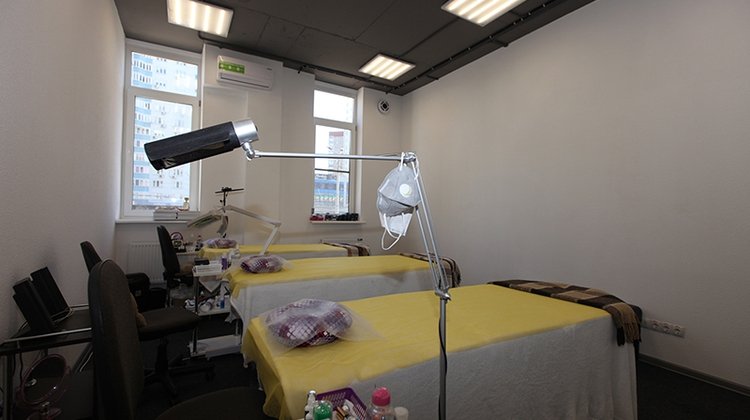
A private beauty studio gives an independent beauty professional a middle ground between working as an employee in a salon and opening a complete salon from scratch. Instead of paying for a full commercial renovation, reception area, utilities, furniture, and multiple workstations, the professional rents an equipped room and runs their own client-facing business inside a larger beauty-focused facility. GoBeauty Studios is one Ukrainian example of this model. Its current website says it provides individually equipped rooms for beauty professionals, including specialists in cosmetology, massage, hairdressing, nail services, brow work, and makeup. Tenants work independently, build their own client base and personal brand, and rent a dedicated room rather than becoming ordinary salon employees. The appeal is flexibility, but a private studio is still a business decision. A professional needs to compare rent, included services, location, room configuration, client access, hygiene facilities, contract terms, taxes, and how many appointments are needed each month to cover costs. This guide explains the GoBeauty Studios model, how private beauty studios differ from traditional salon work, what the company currently says is included, and what professionals should check before renting any equipped beauty space.
What Is a Private Beauty Studio?
A private beauty studio is a dedicated room rented by an independent professional inside a facility designed for beauty services. Depending on the room, it may be suitable for: hair services; manicure and pedicure; lash services; brow services; makeup; cosmetology; massage. The tenant generally controls their own appointments, pricing, client relationships, and service menu while the facility operator manages common building infrastructure. How This Differs From Traditional Salon Employment. Traditional salon employees or commission-based specialists may receive: salon-provided clients; reception support; fixed opening hours; salon branding; shared equipment; management oversight. An independent studio renter usually has more freedom but also more responsibility. They may need to handle: business registration; taxes; pricing; bookings; marketing; consumables; client communication.
Private Studio vs. Chair Rental or Standalone Salon
Private Studio vs. Chair Rental.
| Chair or Station Rental | Private Studio Rental |
|---|---|
| Usually on an open salon floor | Dedicated enclosed room |
| Less privacy | Greater client privacy |
| Often lower cost | Often higher fixed rent |
| Shared atmosphere | Greater control of atmosphere |
| Good for chair-based services | Useful for beds, sinks, equipment, or privacy |
Private Studio vs. Opening Your Own Salon. A standalone salon gives maximum control but can require significant upfront spending. Typical setup costs can include: commercial deposit; renovation; lighting; plumbing; ventilation; furniture; equipment; internet; security; signage; cleaning; utilities. A private equipped studio transfers some of these infrastructure costs to the studio operator and bundles them into rent.
GoBeauty Studios in 2026: Space, Network, and Included Services
The current GoBeauty Studios – Official Website site lists 13 locations across Kyiv, Zaporizhzhia, Boryspil, and Irpin, with 109 individual offices. It says the studios are equipped for services such as hairdressing, nails, brow and makeup work, cosmetology, and massage, while the rental package includes utilities, shared-area cleaning and security, Wi‑Fi, coffee, and 24/7 support. The company also states that tenants keep 100% of their service income, which should be understood as a revenue arrangement rather than a guarantee of profit after rent, taxes, supplies, payment fees, and marketing. What GoBeauty Studios Currently Says It Includes. According to its current English-language website, the company describes an “all inclusive” service model that can include:
utility payments; common-area cleaning; security; Wi-Fi; coffee and shared amenities; support; equipped rooms. Because rental terms can vary by location and change over time, prospective tenants should request the exact written list of inclusions for the room they are considering. Current Network Information. At the time of writing, GoBeauty Studios’ website displays: 13 locations; 4 cities; 109 offices; 1,873 square meters of beauty space. These are company-published figures and should be rechecked on the live site before being used for a business decision. How the Rental Process Works. The company states that a tenant can begin after: selecting an appropriate room; signing the contract as a sole proprietor or legal entity; paying for the next rental period; reviewing the rules for using the premises. The professional then works independently within the rented room.
Economics: Rent, Revenue, and Break-Even
What “100% of Income” Really Means. The company says the income from the professional’s own services remains with the tenant. That is useful to distinguish from commission-based salon employment, but revenue is not profit. An independent professional still pays for: rent; taxes; beauty products; disposables; tools; marketing; booking/payment services; training; other business expenses. Calculate Break-Even Before Signing. Suppose your fixed monthly business costs are 30,000 UAH. If your average service is 1,500 UAH and materials cost 400 UAH, the contribution remaining after materials is 1,100 UAH. You would need roughly 28 appointments just to cover those fixed costs before paying yourself or saving for future expenses. Use your real numbers rather than relying on a generic example.
Choosing the Right Room and Service Setup
Location Is a Business Variable. Before choosing a studio, ask: How many existing clients live nearby?; Is public transportation convenient?; Can clients park?; Is the building easy to find?; Are appointments possible during your preferred hours?; Is the neighborhood appropriate for your target client?. A beautiful studio can be a poor choice if clients will not travel to it. Inspect the Exact Room. Do not decide from photographs alone. Inspect: room size; lighting; ventilation; sink access; electrical outlets; storage; sound privacy; temperature control; included furniture; condition of equipment. Hairdresser Studio Requirements. A hairdresser may need: styling chair; large mirror; wash basin; strong lighting; hair-tool electrical capacity; ventilation; product storage. Nail Studio Requirements. Nail professionals should pay particular attention to: task lighting; dust control; ventilation; easy-to-clean surfaces; sterilization workflow; comfortable seating; storage. Lash and Brow Studio Requirements. A lash or brow professional may prioritize: treatment bed; close task light; quiet room; comfortable working position; small-tool storage; good room temperature. Cosmetology and Massage Rooms. Services involving skin, body treatment, or equipment can need more specialized room conditions. Confirm: privacy; water access; ventilation; cleaning facilities; electrical supply; space around the treatment bed; service-specific professional requirements.
Contract, Registration, and Operating Responsibilities
The preserved GoBeauty Studios – How to Open a Beauty Business guide describes the basic business setup from the provider’s perspective, while Diia – FOP Registration is the official Ukrainian service for registering an individual entrepreneur. A studio operator still needs to confirm the legal form, tax regime, activity codes, sanitation rules, insurance, payment setup, and any profession-specific requirements that apply to the exact service offered. Read the Contract Carefully. Important questions include: What is the monthly rent?; Is there a deposit?; How long is the minimum term?; How much notice is required to leave?; What happens if rent is late?; Which utilities are included?; Who repairs included equipment?; What changes can the tenant make to the room?; Can you install your own branding?; Can another specialist use the room?.
Clarify the “All Inclusive” Package. Ask for written confirmation of: electricity; water; heating/cooling; internet; common-area cleaning; private-room cleaning; security; consumables; coffee or client amenities. Do not assume that every location includes exactly the same services. Business Registration Still Matters. A professional renting a room remains responsible for operating their business correctly. Ukraine’s Diia platform currently offers automatic online FOP registration and lets applicants choose a general or simplified tax system. The appropriate activity codes, tax group, qualifications, and service-specific requirements depend on what you actually provide.
Brand, Clients, Scheduling, and Retention
Build Your Own Brand. One of the strongest reasons to rent independently is the ability to build a professional identity that is not tied to an employer. Maintain your own: brand name; social accounts; portfolio; booking page; phone number; service menu; client communication. Do Not Depend Entirely on the Location for Clients. A studio network can help with visibility, but the professional should build their own acquisition channels. These can include: client referrals; social media; local search; collaborations; rebooking; portfolio content. Rebooking Is More Valuable Than Constant Advertising. Track how many clients schedule the next appointment before leaving. A stable beauty business is usually built around repeat demand rather than continuously replacing clients who never return.
Independent Scheduling. Freedom over your schedule is useful, but it needs boundaries. Define: working days; hours; appointment buffers; breaks; administration time; days off. Being technically available at any hour should not mean working every hour. Hygiene Remains the Professional’s Responsibility. Shared facility cleaning does not replace service-level hygiene. Establish procedures for: surface disinfection; tool processing; single-use items; hand hygiene; product storage; laundry; waste. Client Privacy Can Be a Competitive Advantage. A private room can improve the experience for clients who prefer: quiet consultations; less crowded surroundings; privacy during body or skin services; one-to-one attention. Community Without Employment. A beauty hub can also create useful professional connections. Independent specialists can: refer clients to one another; collaborate on events; create joint content; share professional knowledge; develop package services while remaining separate businesses.
When a Private Studio Makes Sense
When a Private Studio May Not Be Worth It. It may be too early if: you have very few clients; you rely heavily on walk-ins; fixed rent would consume most income; your schedule changes dramatically each month; you are still testing whether clients will pay for the service. In those cases, hourly or daily rental—or salon employment—can carry less financial risk. When to Consider a Standalone Salon. A full salon may make sense later when: your private studio is consistently full; you want to add multiple professionals; you need more rooms; you have a financial reserve; the added space has a measurable revenue opportunity. Questions to Ask Before Renting.
What is the total monthly cost?; What exactly is included?; Which furniture and equipment belong to the room?; Who is responsible for maintenance?; What is the contract term?; What is the notice period?; Can I use my own business signage?; What hours can I access the studio?; What hygiene facilities are available?; Are there restrictions on my type of service?; What business documents must I provide?. Frequently Asked Questions. Is GoBeauty Studios a salon?. Its current website presents the business as a network of private equipped studios rented to independent beauty professionals. Do professionals keep their service revenue?. The company states that tenants retain the income from their own services. That does not remove rent, tax, materials, or other business expenses.
Are rooms already equipped?. The company says studios are configured for several beauty specialties. Check the exact room because equipment can differ. Do I still need my own business registration?. The company says tenants sign as a sole proprietor or legal entity, so the professional should ensure their own business setup is appropriate. Is a private studio cheaper than a salon?. It can require far less upfront capital, but the monthly economics depend on rent, client volume, service prices, and operating expenses. For a beauty professional, the real comparison is not simply “rent a studio or work in a salon.” It is a choice among different levels of independence, fixed cost, operational responsibility, client acquisition, and brand control. A private studio can lower the capital barrier compared with opening a full salon and can provide more autonomy than employment or chair rental, but it works best when the professional already understands demand, pricing, repeat-client economics, scheduling, and monthly break-even. The room itself is only one part of the business model.
Conclusion
Private beauty studios can give independent professionals more control over their work without forcing them to finance an entire salon. The model works because the building operator provides much of the physical infrastructure while the professional focuses on clients, service quality, pricing, brand, and scheduling. GoBeauty Studios is a current Ukrainian example of this approach, with a multi-location network of individually equipped rooms and shared building services. The best way to evaluate it—or any similar provider—is as a business decision rather than a lifestyle promise. Inspect the exact room, calculate break-even, read the rental agreement, verify what is included, understand your legal and tax responsibilities, and decide whether the location makes sense for your existing clients. A studio is valuable when it gives you enough independence to grow without creating a fixed-cost burden you cannot support. That balance between freedom and financial discipline is what makes the model useful.