
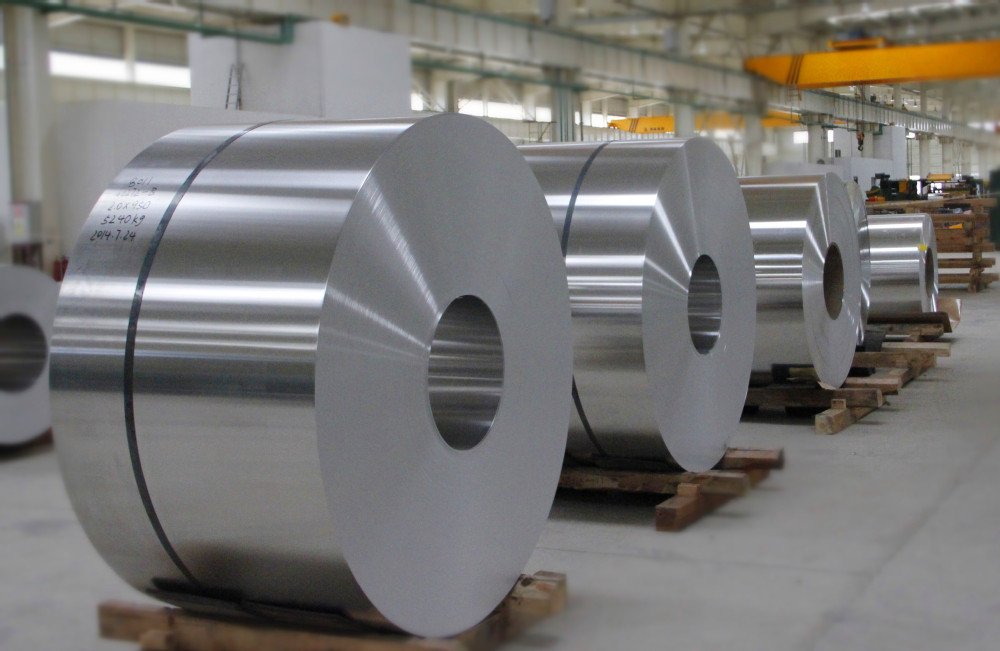
Aluminium coil is one of the most versatile semi-finished metal products used in construction. Instead of shipping every roof panel, gutter, flashing strip, ceiling tile, or cladding element as a finished piece, manufacturers can supply aluminium as continuous coiled sheet that is later roll-formed, stamped, cut, perforated, painted, laminated, or fabricated into the final building component. The appeal is straightforward: aluminium is lightweight, corrosion resistant in many atmospheric environments, easy to form, highly recyclable, and available with a wide range of finishes. Those advantages make it useful for roofing, wall cladding, gutters, downpipes, soffits, ceilings, insulation jacketing, flashings, and architectural façade systems. But aluminium is not automatically “maintenance-free” or appropriate for every exposure. Coastal chlorides, alkaline cement products, trapped moisture, dissimilar metals, aggressive cleaners, incorrect coatings, and thermal movement can all cause problems. Alloy, temper, coating, thickness, installation detailing, and local building-code requirements therefore matter as much as the fact that the material is aluminium. This updated guide explains how Aluminium coils are produced, which alloy families are commonly used in construction, how coil-coated products work, applications in roofs, façades, gutters, ceilings, and insulation systems, and how to manage corrosion, galvanic contact, fire performance, thermal expansion, maintenance, and specification.
What Aluminium Coil Is and How It Is Specified
An aluminium coil is continuous aluminium sheet wound into a roll for: storage; transport; high-speed manufacturing. The coil can later be processed into: roof panels; gutter profiles; cladding panels; flashings; ceiling systems; insulation jacketing.
How Aluminium Coil Is Made. The manufacturing route can include: casting aluminium into slab or continuous strip; hot rolling; cold rolling to final thickness; annealing or temper control; surface treatment; coating where required; slitting into narrower coils. Not every construction coil is produced by one identical process. Hot Rolling vs. Cold Rolling. Hot rolling reduces thick cast metal while it is at elevated temperature. Cold rolling further reduces thickness and improves:
surface finish; dimensional control; mechanical properties.
Alloys, Temper, and Formability
Common sheet/coil alloy families can include: 1xxx series — high-purity aluminium; 3xxx series — aluminium-manganese; 5xxx series — aluminium-magnesium. Exact selection depends on: strength; formability; corrosion resistance; welding; finish. 3003 Aluminium. 3003 is widely used for formed sheet products because it combines: good formability; moderate strength; good atmospheric corrosion resistance. 3004 and 3105. These alloys are also commonly used in building sheet, siding, roofing, and related roll-formed products depending on producer and specification. 5005 and 5052. 5xxx alloys contain magnesium and can provide higher strength and good corrosion resistance. They may be selected for: architectural panels; marine-influenced conditions; fabricated components. Temper. Aluminium is specified by alloy and temper. Examples include: H14; H24; H32. The temper describes mechanical condition such as: strain hardening; partial annealing; stabilization. Why Temper Matters. A very hard temper may: increase strength; reduce formability. Roll-forming tight profiles requires appropriate ductility.
Coatings and Architectural Finishes
Many architectural aluminium coils are factory coated before forming. This process can provide: consistent color; weather resistance; controlled film thickness; high-volume production. Common Architectural Coatings. Depending on service, systems can include: polyester; silicone-modified polyester; PVDF fluoropolymer; other proprietary coil coatings. PVDF Coatings. PVDF-based systems are often chosen for: high-end façades; strong UV exposure; long-term color retention. Performance depends on: resin formulation; pretreatment; coating thickness; color; exposure. Powder Coating vs. Coil Coating. Coil coating is applied before fabrication to continuous sheet. Powder coating is typically applied after individual parts are fabricated. Each has different advantages. Anodizing. Anodizing electrochemically thickens aluminium’s natural oxide layer. It can provide: durable finish; metallic appearance; improved surface protection.
Roofing and Wall-Cladding Applications
Aluminium coil can be roll-formed into: standing-seam panels; corrugated sheets; tiles; flashings. Why Aluminium Works for Roofing. Advantages include: low weight; corrosion resistance; formability; reflective finish options; long panel lengths. Low Weight. Aluminium density is roughly one-third that of steel. This can reduce: dead load; handling effort; transport weight. Structural design still depends on panel thickness, profile, supports, and wind loads. Roof Wind Uplift. Light weight is not the same as low wind resistance. Wind performance depends on: fasteners; clips; seam geometry; deck; spacing. Use tested roofing assemblies. Thermal Expansion in Roofs. Aluminium expands more with temperature than steel. Long roof panels require allowance for: sliding clips; expansion joints; proper fastener detailing. Do Not Lock Long Panels at Every Point. Restrained thermal movement can cause: buckling; oil canning; fastener stress; noise. Application 2: Wall Cladding. Coil can be fabricated into: cassette panels; profiled sheets; composite panels; rainscreen components; soffits.
Rainscreen Systems. In a ventilated rainscreen, the cladding is only one part of a system that also includes: substructure; air/water barrier; insulation; cavity; fire stopping. Cladding Fire Safety. Aluminium metal itself is noncombustible, but many façade panels may incorporate: polymer cores; backing materials; insulation. Fire performance must be assessed for the complete assembly, not only the aluminium skin. Aluminium Composite Material. ACM typically combines: thin aluminium skins; core. Core composition matters enormously for fire performance. Use Code-Compliant Assemblies. Verify: local building code; fire classification; height restrictions; tested system.
Gutters, Downpipes, Flashing, and Exterior Trim
Aluminium coil is widely roll-formed into seamless gutters. Advantages: long continuous lengths; few joints; light weight; painted finishes; good atmospheric corrosion resistance. Seamless Gutter Machines. Contractors can form gutters on site from coil. This minimizes: transport of long pieces; intermediate seams. Gutter Thickness Matters. A very thin gutter can: dent; sag; deform under snow/ice. Specify thickness appropriate to: span; climate; profile. Application 4: Downpipes. Downspouts/downpipes can be roll-formed from coated aluminium coil. Check: flow capacity; bracket spacing; impact exposure; discharge location. Application 5: Fascia and Soffit. Prepainted coil is commonly used for: fascia covers; vented soffit; trim. These products benefit from: low maintenance; consistent finish; easy roll forming. Application 6: Flashing. Aluminium flashing is used around: windows; roofs; parapets; wall transitions. Aluminium and Cementitious Materials. Wet alkaline materials such as: concrete; mortar; cement plaster. can attack aluminium under certain conditions. Use compatible barriers/coatings where necessary.
Ceilings, HVAC Components, and Insulation Jacketing
Aluminium coil can be formed into: linear ceilings; tiles; baffles; perforated panels. Perforated Acoustic Ceilings. Perforation alone does not absorb much sound. Acoustic performance usually requires: perforation pattern; acoustic backing; insulation; air cavity. Interior Advantages. Aluminium ceilings can provide: cleanable surface; light weight; access to services; decorative finishes. Application 8: Insulation Jacketing. Aluminium jacketing protects insulation around: pipes; ducts; vessels; tanks. against: weather; UV; mechanical damage. Jacketing Is Not the Insulation. The aluminium outer layer provides protection. Thermal resistance primarily comes from materials such as: mineral wool; fiberglass; cellular insulation. Moisture Under Insulation. If water enters the insulation system, it can cause: loss of thermal performance; corrosion under insulation of underlying steel; mold in suitable organic materials. Jacketing joints must be detailed to shed water. Application 9: HVAC Duct Components. Aluminium sheet/coil can be used in: ductwork; jacketing; grilles; air-handling components. Selection depends on mechanical strength and fire/HVAC requirements. Application 10: Architectural Trim. Coil is ideal for continuous: copings; edge metal; window trim; column covers.
Corrosion, Coastal Exposure, and Dissimilar Metals
Aluminium naturally develops a thin oxide film. This provides good resistance in many atmospheric environments. Aluminium Can Still Corrode. Problems include: pitting; galvanic corrosion; filiform corrosion under coatings; alkaline attack. Coastal Environments. Salt increases corrosion risk. For coastal cladding: choose appropriate alloy; high-quality pretreatment/coating; rinse salt deposits where recommended; detail drainage. Galvanic Corrosion. Aluminium can corrode faster when electrically connected to more noble metals in the presence of moisture. Potential contacts include: copper; some stainless-steel combinations. Isolate Dissimilar Metals. Use: compatible gaskets; coatings; isolating washers; sealants. Fasteners. Select fasteners based on: environment; galvanic compatibility; structural load; coating system. Do Not Use Copper Flashing Directly Against Aluminium. Runoff from copper can also create corrosion concerns. Coating Damage. Field cuts and scratches can expose metal. Aluminium often performs better than carbon steel when coating is locally damaged because it does not form red rust, but severe exposure can still pit. Touch-Up Paint. Use only the coating manufacturer’s approved touch-up method. Large field repainting may not match factory coil coating. Color Fading. UV resistance depends on coating chemistry and color. Ask for: film performance warranty; color retention data; chalk resistance. Oil Canning. Oil canning is visible waviness in flat metal panels. It can be influenced by: panel width; coil stress; installation; thermal movement; substrate flatness. It is often aesthetic rather than structural. Stiffening Strategies. Designers may use: narrower panels; ribs; striations; thicker sheet. Dent Resistance. Aluminium is relatively soft compared with steel. Low-level panels in: schools; loading areas; public transport facilities. may need thicker material or protection.
Thermal Movement, Condensation, and Fire Performance
Aluminium is highly thermally conductive. In façades, use: continuous insulation; thermal breaks; appropriate attachment systems. Condensation. Metal surfaces can reach temperatures below dew point. Design: vapor control; insulation; ventilation; drainage. Fire Performance. Solid aluminium does not burn like common organic building materials, but it melts at a much lower temperature than steel. System behavior under fire can involve: loss of strength; melting; falling components; combustible coatings/cores. Use tested assemblies.
Recyclability and Environmental Considerations
Aluminium can be recycled repeatedly. Recycling typically requires far less energy than producing primary aluminium from ore. Recycled Content. Architectural products may contain: pre-consumer scrap; post-consumer scrap. Ask manufacturers for verified environmental product data if sustainability reporting matters. Environmental Product Declarations. An EPD can provide information on: embodied carbon; manufacturing impacts; life-cycle boundaries. Do Not Assume “Aluminium = Sustainable”. Primary aluminium production is energy intensive. Sustainability depends on: electricity source; recycled content; durability; transport; end-of-life recovery. Maintenance. Exterior aluminium should be inspected for: sealant failure; fastener problems; coating damage; salt/dirt accumulation; drainage blockage. Cleaning. Use mild cleaners compatible with the coating. Avoid: strong alkaline cleaners; abrasive pads; unknown solvents.
Specification, Storage, Fabrication, and Maintenance
Specify: alloy; temper; thickness; coil width; coating system; color/gloss; pretreatment; protective film; applicable standard. Thickness Tolerance. Do not specify only “0.8 mm aluminium.” Reference the applicable product standard and tolerance. Coating Warranty. Review what is covered: peeling; chalking; color fade; corrosion. Coastal exclusions may apply. Fabrication. Before roll-forming or bending: confirm temper; minimum bend radius; paint flexibility. Protective Film. Many architectural coils include temporary plastic film. Remove it according to supplier timing. Leaving it exposed too long can make removal difficult. Storage on Site. Store coils/sheets: dry; off ground; protected from condensation; without trapping rainwater. Wet Storage Stain. Trapped moisture between stacked aluminium surfaces can cause staining. Handling. Prevent: edge damage; scratches; coil telescoping.
When Aluminium Coil Is the Right Material
lightweight roof/cladding; seamless gutters; coastal-compatible systems with correct alloy/coating; complex roll-formed profiles; insulation jacketing; decorative ceilings. When Another Material May Be Better. Consider steel, stainless, zinc, copper, or composite systems when: very high stiffness is needed; impact is severe; special fire/structural requirements apply; chemical exposure is incompatible. Choose aluminium coil finish for the exposure. Construction coils may be supplied mill-finished, painted, anodized, or coated for specific environments. Roofing and exterior cladding need finishes that tolerate weather, ultraviolet exposure, and local pollution, while interior ceilings may prioritize appearance and cleanability.
Account for thermal movement. Aluminium expands and contracts with temperature. Long roof or façade elements need appropriate joint design, fastening, and allowance for movement so panels do not buckle or place excessive stress on connections. Protect the surface during fabrication and installation. Scratches, trapped moisture, incompatible sealants, or contact with dissimilar metals can create appearance or corrosion problems. Follow the manufacturer’s storage and handling guidance and remove protective films at the appropriate stage. Compare coating warranties carefully. Warranty length alone does not describe performance. Review what the warranty covers, excluded environments, required maintenance, color-change limits, and whether the coating system is appropriate for coastal or industrial exposure. Specify aluminium coil as part of a complete building system. Coil selection should be coordinated with the components around it rather than purchased on thickness and color alone. Roofing and cladding performance depend on compatible fasteners, sealants, membranes, flashings, joint spacing, substrate design, ventilation, drainage, and allowance for thermal movement. For exterior work, the exposure category should also influence alloy and coating choice because coastal salt, industrial pollutants, trapped moisture, and alkaline contact can change the corrosion risk. A slightly higher material cost can be justified when it reduces maintenance, repainting, leakage, or premature replacement over the service life of the assembly.
Match the specification to the exposure environment. Two projects using the same nominal aluminium thickness can perform very differently when one is inland and sheltered while the other faces salt spray, industrial pollution, repeated condensation, or strong thermal cycling. Exposure should influence alloy choice, coating chemistry, pretreatment, fasteners, sealants, isolation details, drainage, and maintenance expectations. For highly visible façades, architects should also review color consistency, gloss tolerance, batch matching, and repair procedures before fabrication begins. These details reduce the risk of technically acceptable panels producing uneven appearance or premature maintenance problems after installation.
Conclusion
Aluminium coil gives construction manufacturers a highly flexible feedstock that can be transformed into roofs, cladding, gutters, ceilings, trim, and insulation jacketing efficiently and with consistent finish. Its key advantages are low weight, formability, atmospheric corrosion resistance, coating flexibility, and recyclability. Its limitations include relatively high thermal expansion, galvanic sensitivity, lower dent resistance than steel, and vulnerability to certain alkaline or chloride exposures when design and coating are inadequate. The best results come from specifying the full system: alloy, temper, thickness, coating, fasteners, isolation from dissimilar metals, movement allowance, fire-tested assembly, and maintenance plan. Aluminium is versatile, but its long-term performance depends on engineering details rather than the metal name alone.