
Egypt is one of the rare destinations where a single trip can combine ancient monuments, Islamic and Coptic heritage, Nile landscapes, desert scenery, beach resorts, diving, and modern city life. That variety is what makes the country memorable—and also what makes planning important. A traveler who tries to see Cairo, Luxor, Aswan, and the Red Sea in only a few days can spend more time in transit than enjoying the places they came to see. The most rewarding itineraries usually balance three experiences: Egypt’s archaeological heritage, the Nile Valley, and time to slow down. For some travelers that means Cairo, Luxor, and a Red Sea resort. For others it means a longer Nile journey, Aswan, Abu Simbel, and a quieter finish on the coast. This guide explains the major places to visit, how to combine them efficiently, when to travel, what to expect from Nile cruises and Red Sea excursions, and which practical safety and cultural considerations matter in 2026.
Why Egypt Rewards a Multi-Stop Itinerary
Egypt’s best-known image is the Great Pyramid of Giza, but the country’s heritage stretches far beyond Giza. UNESCO currently lists seven World Heritage properties in Egypt, including Memphis and its Necropolis—the Pyramid Fields from Giza to Dahshur, Ancient Thebes with its Necropolis, Historic Cairo, the Nubian Monuments from Abu Simbel to Philae, the Saint Catherine Area, Abu Mena, and Wadi Al-Hitan. Those sites represent different periods and landscapes. Cairo introduces pharaonic, Islamic, and modern Egypt. Luxor concentrates temples and royal tombs along the Nile. Aswan feels slower and offers access to Nubian heritage and monuments relocated during the construction of the Aswan High Dam. The Red Sea delivers an entirely different experience built around reefs, beaches, and resort towns. Egypt’s archaeological sites are not interchangeable attractions. UNESCO World Heritage: Egypt lists the country’s inscribed World Heritage properties, while UNESCO: Memphis and its Necropolis – Pyramid Fields from Giza to Dahshur provides the heritage context for the pyramid landscape around Cairo. That wider setting is one reason travelers benefit from allowing more than a rushed photo stop at Giza.
Cairo and Giza: Ancient Monuments and Modern City Life
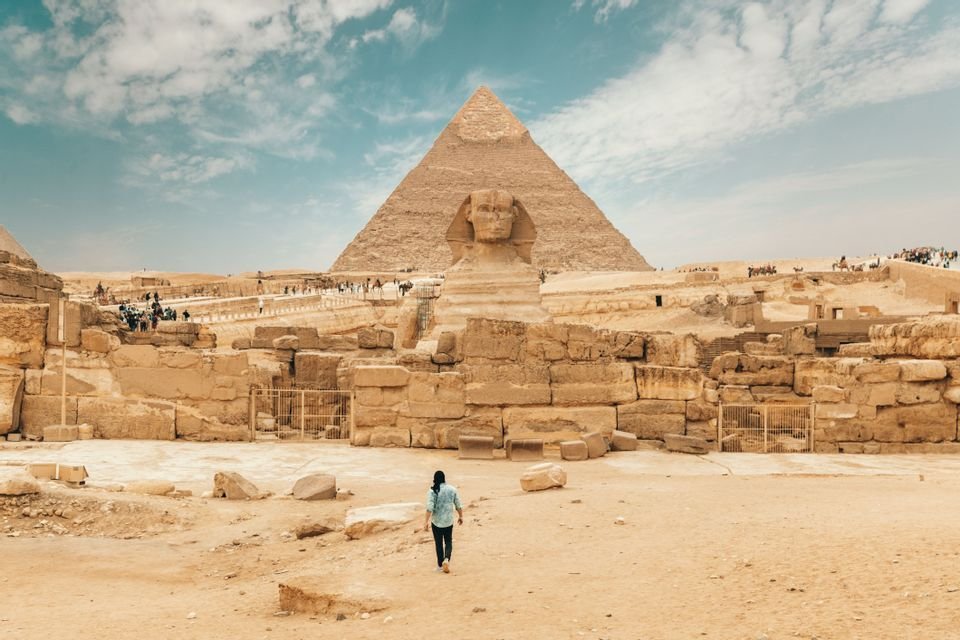
Most first-time visitors begin in Cairo because it is the main international gateway and the base for visiting the Giza Plateau. The Giza pyramids. The pyramid complex at Giza is part of the UNESCO-listed Memphis and its Necropolis property. The Great Pyramid was built during Egypt’s Old Kingdom and remains the most famous surviving monument from ancient Egypt. Allow enough time to see the plateau without rushing. The site is large, the climate can be hot, and traffic between central Cairo and Giza can be unpredictable. Travelers who want to enter a pyramid should check current ticket arrangements before arriving because interior access and ticket quotas can change. The Sphinx. The Great Sphinx sits within the Giza complex and is best appreciated as part of the larger landscape rather than as a separate attraction. A guide can be useful for understanding how the temples, causeways, tombs, and pyramids relate to one another.
Museums. Cairo and Giza have major museum collections that can add context before or after archaeological visits. Check current opening arrangements when planning because museum displays, temporary closures, and ticketing policies can change. Historic Cairo. Historic Cairo is also a UNESCO World Heritage property. Mosques, madrasas, markets, streets, and architectural layers reveal a different part of Egyptian history than the pharaonic sites. Visitors should dress respectfully at religious sites and be prepared to remove shoes where required.
Luxor and the Archaeological Landscape of Thebes
Luxor is one of the world’s richest archaeological destinations. Ancient Thebes with its Necropolis is recognized by UNESCO and includes monuments on both sides of the Nile. East Bank. Karnak Temple is a vast complex developed over centuries. Luxor Temple is smaller and particularly atmospheric in the evening. These sites reward slow exploration because architectural details and inscriptions are easy to miss when moving quickly. West Bank. The west bank includes the Valley of the Kings, mortuary temples, tombs, and other archaeological sites. Ticket structures often vary by tomb and attraction, so check what is included in standard entry and which tombs require separate tickets. Heat can be intense. Starting early, carrying water, using sun protection, and pacing the day are practical necessities rather than optional comforts.
Aswan, Abu Simbel, and Nubian Egypt
Aswan has a slower pace than Cairo and Luxor and is often a highlight for travelers who enjoy river scenery. Popular experiences include: Philae Temple; felucca sailing; Nubian villages; the Aswan High Dam; local markets; and; excursions to Abu Simbel. The UNESCO-listed Nubian Monuments from Abu Simbel to Philae include temples that were internationally relocated to protect them from rising water associated with the Aswan High Dam project.
UNESCO: Nubian Monuments from Abu Simbel to Philae covers the extraordinary chain of monuments associated with Nubia, including Abu Simbel and Philae. The relocation of major temples during the twentieth century is part of the modern story of these sites, so visiting them is as much about preservation and landscape change as it is about ancient architecture. Abu Simbel. Abu Simbel is south of Aswan near Lake Nasser. The rock-cut temples are among Egypt’s most dramatic monuments, but visiting requires planning because of the distance. Travelers commonly go by road or air. A road excursion can start very early, while a flight may save time but cost more. Check current transportation schedules and access rules rather than relying on an itinerary written years ago.
Choosing Between a Nile Cruise and Dahabiya Sailing
A Nile journey is one of the easiest ways to connect several archaeological sites without changing hotels every night. Large cruise ships. Conventional Nile cruise ships typically operate on set routes between Luxor and Aswan. They provide cabins, dining, and organized sightseeing. They suit travelers who prefer predictable logistics and a wider range of onboard facilities. Dahabiya sailing. A dahabiya Nile cruise offers a smaller-scale experience. Dahabiyas are traditional-style sailing vessels with fewer passengers than large cruise ships. Depending on the operator and water conditions, they may stop at quieter locations and provide a more relaxed rhythm. Before booking, ask: how many nights are included; which monuments are visited; whether admission tickets are included; whether a licensed guide accompanies excursions; how much sailing is actually under sail versus motor assistance; what meals and drinks are included; and; what the cancellation policy covers.
Hurghada, Sharm El-Sheikh, and the Red Sea
Hurghada is a major Red Sea resort area and a useful base for travelers who want beaches, snorkeling, diving, boat trips, and easy resort infrastructure. Its location also makes it possible to combine beach time with cultural excursions, although long-distance day trips can be tiring. Snorkeling and diving. The Red Sea is known for clear water and rich marine life. Choose operators that prioritize safety, maintain equipment properly, use qualified instructors, and follow local environmental rules. Do not stand on coral or remove marine life. Reef damage from careless tourism can be permanent. Boat trips. Island and snorkeling excursions vary widely in quality. Before booking, ask about group size, life jackets, shaded areas, lunch, equipment condition, and whether the trip is appropriate for children or non-swimmers.
Day Trips From Red Sea Resorts: What Is Realistic
Yes, but it is a long day. A Hurghada to Cairo Day Trip can suit travelers who have limited time and strongly want to see Giza while staying on the Red Sea. Before choosing a day trip, compare road and air options. A road transfer involves many hours of travel, while flying can reduce time on the road but adds airport logistics and usually costs more. If Cairo is a major priority rather than a side excursion, spending at least one or two nights there may be more comfortable. Can You Visit Luxor From Hurghada in One Day?. A Hurghada to Luxor Day Trip is generally more practical than a same-day road trip to Cairo because Luxor is closer to the Red Sea coast, but it is still a substantial excursion. A typical day may include selected west-bank sites and Karnak, but there is rarely enough time to see Luxor comprehensively. If archaeology is central to the trip, stay overnight or spend several days in Luxor. Sharm El-Sheikh. Sharm El-Sheikh is another major Red Sea destination, located on the Sinai Peninsula. It is popular for diving, snorkeling, resorts, and access to the surrounding desert and marine areas. Because travel advisories can distinguish sharply between different parts of Sinai, review current official guidance before arranging excursions beyond established resort zones.
Siwa and Alexandria for a Different Side of Egypt
Siwa offers a very different Egypt: desert landscapes, palm groves, springs, salt lakes, and a distinctive local culture. It is remote, so travelers should plan transportation carefully and use reputable operators for desert excursions. Distances, road conditions, and current security guidance should be checked before travel. Alexandria. Alexandria can be visited from Cairo by train or road and offers Mediterranean scenery, museums, archaeological sites, and a different urban atmosphere. It makes a useful addition for travelers who have enough time and want to see Egypt beyond the Nile Valley and Red Sea resorts.
When to Visit and How Long to Stay
For most sightseeing, the cooler months are more comfortable. Roughly October through April is popular because daytime temperatures are generally easier for walking around exposed archaeological sites. December and January can be busy, and evenings may feel surprisingly cool in parts of the country. Summer can be extremely hot in Luxor and Aswan, which changes how much sightseeing is realistic during the middle of the day. Red Sea resorts can work year-round, although wind, water temperature, and daytime heat vary by season. How Many Days Do You Need?. 5–6 days: Cairo plus Luxor, or Cairo plus a Red Sea resort. 8–10 days: Cairo, Luxor, Aswan or a Nile cruise, with a more comfortable pace. 12–14 days: Cairo, Nile Valley, Abu Simbel, and Red Sea beach time. The more destinations you add, the more valuable domestic flights and overnight travel can become.
A Practical 10-Day Egypt Itinerary
Day 1: Arrive in Cairo.; Day 2: Giza Plateau and museum visit.; Day 3: Historic Cairo and additional city sightseeing.; Day 4: Fly or travel to Luxor; visit Luxor Temple.; Day 5: West Bank and Karnak.; Day 6: Begin Nile journey toward Aswan.; Day 7: Nile sightseeing.; Day 8: Aswan.; Day 9: Abu Simbel or transfer to the Red Sea.; Day 10: Depart or add beach days. This is only a framework. Travelers who dislike rushed trips should add extra nights rather than adding more attractions. As of September 2026, the current U.S. Department of State: Egypt Travel Advisory remains Level 2, “Exercise Increased Caution,” because of terrorism, crime, and health concerns. The advisory says not to travel to the Northern and Middle Sinai Peninsula and advises against independent travel in the Western Desert unless using a professionally licensed tour company. Travelers should review the current advisory again immediately before departure because regional conditions can change faster than a travel article can be updated.
Safety, Etiquette, Money, and Health
As of September 2026, the U.S. Department of State lists Egypt at Level 2, “Exercise Increased Caution,” with risk indicators including terrorism, crime, health, and other concerns. It advises against travel to the Northern and Middle Sinai Peninsula and gives additional warnings for the Western Desert and border areas. Travel advisories can change, so check the latest guidance immediately before departure rather than relying on this article alone. Travelers should also: avoid demonstrations and political gatherings; respect local laws and restrictions on photography; use reputable transportation and tour operators; buy travel insurance that fits the planned activities; keep copies of key documents; know how to contact their embassy; and; stay alert in crowded tourist areas.
Dress and Cultural Etiquette. Egypt is diverse, and dress standards vary by setting. Resort areas can be relaxed, while mosques and more conservative communities call for modest clothing. At religious sites, cover shoulders and knees and follow posted instructions. Carrying a light scarf can be useful for women visiting mosques, although requirements differ by site. Ask before photographing people, especially in smaller communities. Money and Tipping. Cash remains useful for small purchases and tips, while cards are accepted in many hotels, larger restaurants, and established businesses.
Tipping, or baksheesh, is common in tourism and service settings. Keep small denominations available, but do not feel pressured into paying for a service you did not request. Heat, Hydration, and Sun Protection. Archaeological sites often involve walking in open sun with limited shade. Carry water, use sunscreen, wear a hat, and plan demanding sightseeing for earlier hours when possible. Heat can affect travelers even outside midsummer. Anyone with medical conditions that make heat exposure risky should discuss travel plans with a healthcare professional. Choosing a Tour Guide. A knowledgeable guide can transform a visit to complex archaeological sites. Look for licensed or appropriately credentialed guides and reputable operators. A good guide should explain context rather than simply rush visitors from one photo stop to another. Private or small-group guiding can be especially valuable at large sites such as Karnak or the west bank of Luxor.
Responsible Tourism and Choosing Guides
Egypt’s monuments and reefs are irreplaceable. Visitors can help protect them by: following barriers and site rules; not touching reliefs or paintings; not climbing monuments where prohibited; avoiding coral contact; using licensed guides and operators; supporting local businesses; and; asking permission before photographing people.
Conclusion
Egypt is at its best when you resist the temptation to treat it as a checklist. The pyramids deserve time. Luxor is more than a one-hour temple stop. The Nile is not simply transportation, and the Red Sea can be much more than the final day beside a hotel pool. Build an itinerary around the experiences that matter most to you, leave room for rest, use current official safety guidance, and choose transport based on realistic travel times. Whether you prefer monumental archaeology, a slow Nile journey, desert landscapes, or reef-filled water, Egypt can deliver several very different trips within one country.