
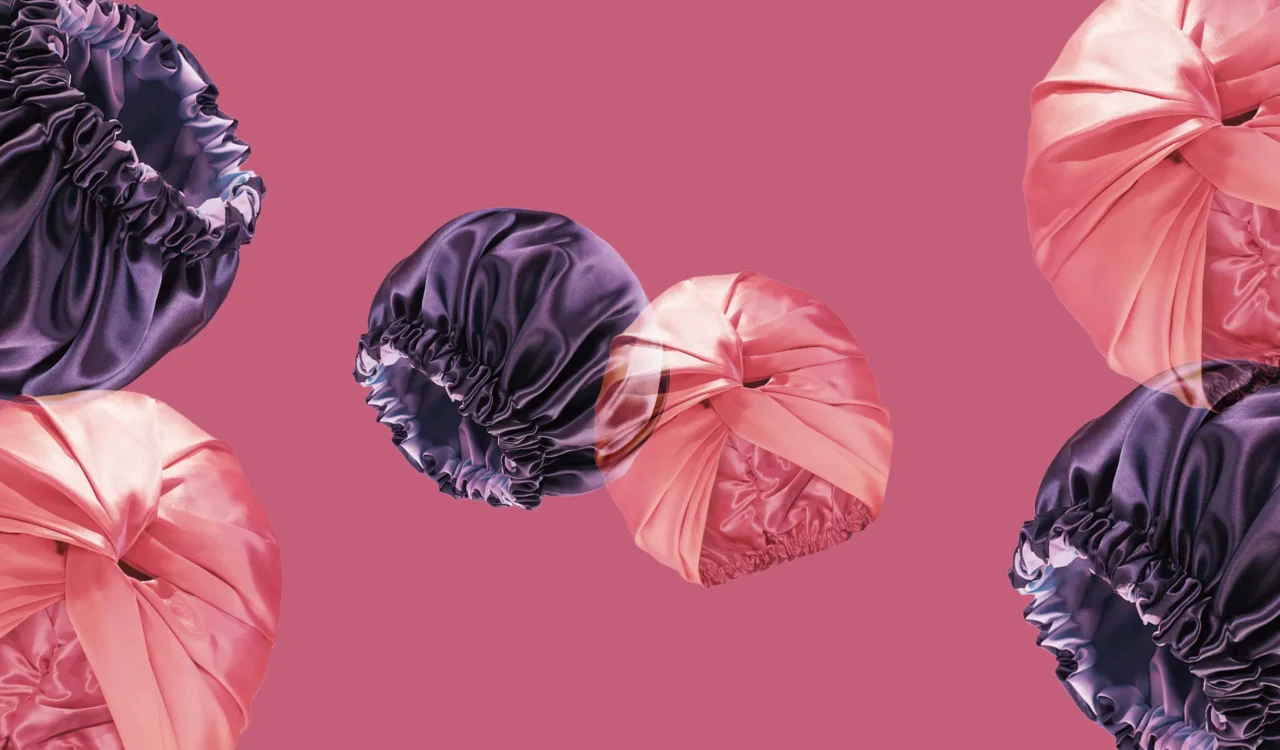
Silk bonnets are designed to reduce friction between the hair and bedding during sleep. That simple change can be useful for people whose hair tangles easily, loses moisture overnight, or is vulnerable to breakage from repeated rubbing against a pillowcase. A bonnet is not a treatment for every hair or scalp problem, but it can support a good hair care routine by helping preserve styles and reducing mechanical stress. The benefit depends on fit, fabric quality, hair type, nighttime routine, and how the bonnet is maintained. Curly, coily, chemically treated, textured, or fragile hair may show the most obvious practical difference because these hair types can be more affected by friction and moisture loss. Straight or fine hair can also use a bonnet, but comfort and fit matter so the hair is protected without being compressed excessively.
Why Friction Matters While You Sleep
Hair fibers can rub repeatedly against cotton bedding as the head moves during the night. That friction can contribute to tangles, frizz, roughness, and breakage, especially when the cuticle is already damaged by heat styling, bleaching, chemical treatment, or environmental exposure. Silk has a smooth surface that allows hair to move with less resistance than many rougher fabrics. Wearing a silk bonnet can therefore help protect the hair from repeated mechanical rubbing while also keeping strands gathered instead of spread across the pillow. The effect should be described as protection rather than repair. A bonnet cannot restore a severely damaged hair shaft, but it can reduce one source of nightly wear and make an existing styling or conditioning routine easier to maintain.
Moisture retention is another reason people use bonnets. Hair can feel drier when overnight friction and exposure disrupt the surface or when products transfer to bedding instead of remaining on the hair. A smooth bonnet may help preserve leave-in conditioners, oils, or styling products by keeping the hair contained. This does not mean the bonnet adds moisture by itself. Hydration and conditioning still depend on the products, washing routine, porosity, environment, and hair condition. A bonnet that is too tight, dirty, or made from irritating material can create its own problems. The band should feel secure enough to stay in place without leaving significant pressure marks or pulling at the hairline, and the interior should provide enough room for the hair to sit naturally without being crushed.
Fit and Fabric Quality Determine Everyday Comfort
A bonnet that slips off every night will not provide much protection, while one that grips too tightly can be uncomfortable and may create tension around the edges of the hair. Adjustable or elastic designs can help, but the right construction depends on head size, hairstyle, and sleeping habits. People wearing braids, twists, locs, rollers, or voluminous curls may need more depth than someone with shorter hair. The word “silk” should also be checked carefully because some products marketed with silk-like language are actually satin made from polyester or another fiber. Satin describes a weave rather than a specific material. Both genuine silk and smooth synthetic satin can reduce friction, but they differ in price, care requirements, breathability, and durability. Buyers should read the fabric composition rather than relying only on the product title.
Cleaning matters because a bonnet collects oils, sweat, hair products, and skin residue over time. The care method should follow the manufacturer’s instructions, particularly for genuine silk, which can be damaged by harsh detergents, high heat, or aggressive washing. Having more than one bonnet can make it easier to rotate clean pieces without skipping protection while one is being washed. People with oily scalps, heavy styling products, or frequent workouts may need to clean the bonnet more often than someone using very little product. A clean bonnet also helps prevent buildup from being transferred back onto freshly washed hair. If the scalp becomes itchy, irritated, or unusually oily, the bonnet should not be assumed to be harmless simply because the fabric is smooth; fit, hygiene, products, and scalp conditions all deserve consideration.
A Bonnet Works Best as One Part of Hair Care
Night protection cannot compensate for damaging daytime habits. Excessive heat, tight hairstyles, harsh detangling, frequent chemical processing, and inadequate conditioning can still cause significant breakage even when a bonnet is used every night. A practical routine combines gentle detangling, products appropriate to the hair type, sensible heat protection, regular cleansing, and styles that do not place unnecessary tension on the hairline. The bonnet then protects that work during sleep. Some people may also prefer a silk or satin pillowcase as an alternative or backup, especially if they dislike wearing something on the head. Neither option is universally superior; the better choice is the one that stays comfortable and is used consistently. Hair care should be adjusted according to actual results rather than trends or claims that one accessory can solve every source of dryness or breakage.
Conclusion
Silk bonnets can support healthier-looking hair by reducing friction, tangling, frizz, and product transfer during sleep. Their greatest value is protective: they help preserve the condition and style of hair that has already been washed, conditioned, and handled carefully. Genuine silk and smooth satin alternatives can both be useful, but buyers should check fabric composition, fit, construction, and care requirements instead of choosing only by marketing terms. The bonnet should remain secure without creating excessive tension, provide enough room for the hairstyle, and be washed regularly so oils and products do not accumulate. People with curly, coily, fragile, chemically treated, or styled hair may notice the clearest difference, although anyone can experiment with nighttime protection. A bonnet is most effective when it complements a sensible routine rather than being treated as a substitute for good cleansing, conditioning, gentle handling, and scalp care.