
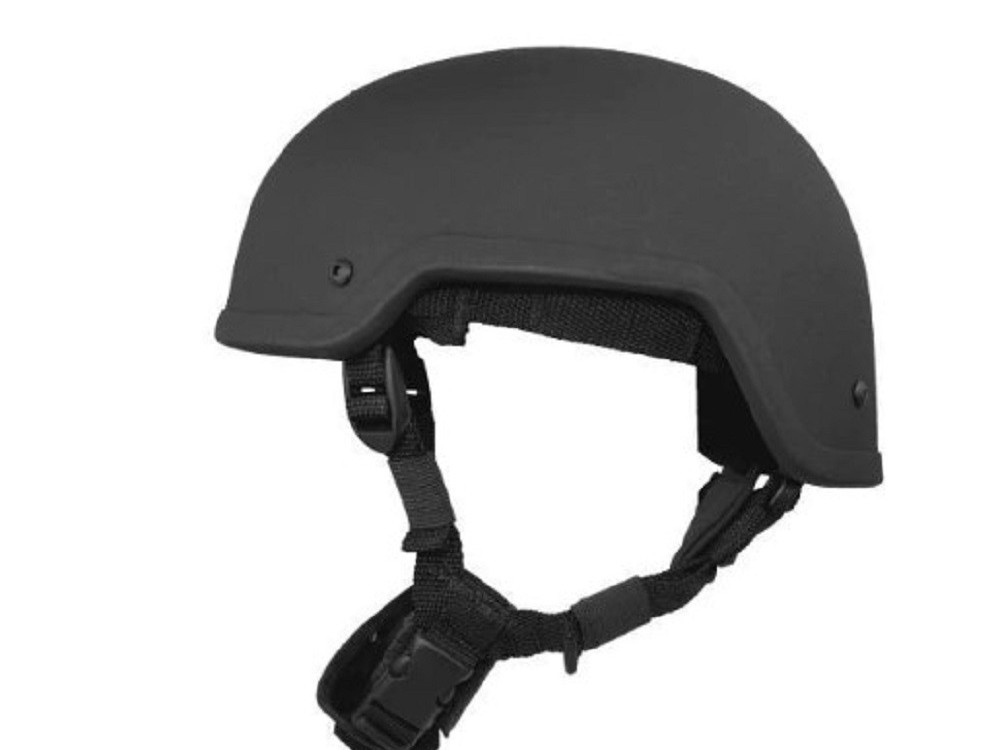
Ballistic helmets are protective headgear designed to reduce specific ballistic and impact hazards. They are used mainly by military personnel, law-enforcement teams, security professionals, and others whose work can expose them to serious head injuries. They are sometimes casually called “bulletproof helmets,” but that phrase is misleading: no helmet can stop every projectile, every impact, or every fragment under every condition. A helmet’s usefulness depends on its design, materials, coverage, fit, retention system, test standard, condition, and the threat it was actually evaluated against. A model that performs well against one test threat may not offer the same protection against a different projectile, higher velocity, unusual angle, repeated impacts, or hazards outside the test method. This guide explains three common helmet families—PASGT-style, MICH/ACH-style, and high-cut helmets—along with current standards, fit, testing, maintenance, and the questions buyers should ask when evaluating protective equipment.
What a Ballistic Helmet Is Designed to Do
A ballistic helmet is engineered and tested to resist specified projectile threats under defined laboratory conditions. The word “ballistic” should not be interpreted as a guarantee against all gunfire. The National Institute of Justice (NIJ) has long published voluntary performance standards for protective equipment used by criminal-justice agencies. NIJ Standard 0106.01, published in 1981, remains listed by NIJ as an active ballistic-helmet standard while a revision is underway. NIJ also published Standard 0123.00 in 2023 to define unified ballistic protection levels and associated test threats for use with product-specific standards. That newer document does not by itself provide a complete helmet test method. Ballistic Protection vs. Blunt-Impact Protection. A helmet can be evaluated for more than projectile penetration. Head protection also involves energy transfer, shell deformation, suspension or pad performance, and stability on the wearer’s head.
Ballistic resistance and blunt-impact performance are related but different. A helmet that prevents penetration can still transmit substantial energy to the head. Padding, shell design, fit, and retention all influence how impact is managed. When comparing models, look for actual test information rather than assuming that a thick shell automatically provides better overall protection. Why “Bulletproof” Is the Wrong Term. Protective equipment is better described as bullet-resistant or ballistic-resistant because performance is threat-specific. NIJ makes a similar point for body armor: ballistic-resistant armor is not “bullet-proof” and is designed and tested against particular threats rather than every possible projectile.
The same caution is appropriate for helmets. Marketing that promises universal protection should be treated skeptically.
Three Common Ballistic Helmet Families
PASGT-Style Helmets
PASGT stands for Personnel Armor System for Ground Troops. The PASGT helmet became widely associated with U.S. military service from the 1980s and influenced many later protective designs. Its recognizable features typically include: relatively low side coverage; extended ear protection; a front brim or lip; a composite ballistic shell; and; a traditional full-coverage profile. The major advantage is coverage. The lower cut protects more of the sides of the head than many modern high-cut designs. The trade-offs include weight, older suspension approaches on legacy examples, and reduced space around the ears for modern communications headsets. Who might use a PASGT-style helmet?. Organizations that prioritize coverage over accessory integration may still encounter PASGT-style designs. However, actual military surplus can be decades old, and age, storage conditions, shell damage, unauthorized drilling, paint, moisture exposure, or degraded suspension components can affect confidence in the equipment. Do not assume that an old surplus helmet retains its original performance simply because the shell looks intact.
MICH and ACH-Style Helmets
MICH stands for Modular Integrated Communications Helmet. The Advanced Combat Helmet, or ACH, evolved from this design family and became a widely recognized modern military helmet profile. Compared with traditional PASGT-style helmets, MICH/ACH designs generally improve compatibility with communications equipment and use more modern retention and pad systems. Typical characteristics include: less pronounced front brim; improved headset compatibility; four-point retention systems; internal impact pads; and; a balance between side coverage and equipment integration. The exact shape and material vary by manufacturer, so “MICH” or “ACH” alone does not establish a ballistic protection level. Why the retention system matters. A protective shell that shifts dramatically during movement cannot provide consistent coverage. Chinstraps and suspension systems help keep the helmet positioned correctly. Fit should be secure without creating excessive pressure points. Pads should contact the head as intended, and the helmet should not block vision or interfere unnecessarily with hearing.
High-Cut and Special-Operations-Style Helmets
High-cut helmets remove more material around the ears. The design became popular where users need room for communications headsets, hearing protection, or other equipment mounted near the sides of the head. The main benefits are: better headset compatibility; lower shell weight in many designs; greater ventilation around the ears; and; space for accessory rails and mounting systems. The obvious trade-off is reduced coverage. A high-cut shell exposes more of the side of the head than a full-cut helmet. Some suppliers market a special forces helmet using this general profile. Buyers should evaluate the actual test data, manufacturer, shell construction, date of manufacture, and intended use rather than relying on the label “special forces.”
| Profile | Typical characteristic | Main advantage | Main trade-off |
|---|---|---|---|
| Full-cut | More coverage around ears and sides | Greater protected area | Heavier and less headset space |
| Mid-cut | Moderate side coverage | Balance of coverage and compatibility | Compromise rather than maximum in either direction |
| High-cut | Large opening around ears | Communications and accessory integration | Less side coverage |
The best profile depends on the protective requirement. A lighter helmet is not automatically safer, and greater coverage is not automatically better if the equipment becomes too heavy or interferes with essential hearing and communications.
Aramid, UHMWPE, and Hybrid Composite Shells
Modern shells may use aramid fibers, ultra-high-molecular-weight polyethylene, or hybrid composite systems. Aramid. Aramid fibers, commonly associated with brands such as Kevlar, have a long history in ballistic protection. They can provide good resistance with established manufacturing methods but may be heavier than some newer polyethylene-based designs at comparable performance targets. UHMWPE. Ultra-high-molecular-weight polyethylene can provide high strength at relatively low weight. Its behavior under heat and certain environmental conditions differs from aramid, making manufacturing quality and design important. Hybrid composites. Some manufacturers combine materials to balance weight, stiffness, ballistic performance, temperature resistance, and cost. The material name alone is not enough to judge a helmet. Manufacturing process, layer structure, resin system, shell geometry, quality control, and testing all matter. NIJ: Active Standards and Comparative Test Methods still lists NIJ Standard 0106.01 for ballistic helmets as active in 2026, with a revision underway. The underlying NIJ Standard 0106.01: Ballistic Helmets dates to 1981, so helmet buyers should avoid assuming that the current torso-armor 0101.07 certification framework automatically applies to helmets in the same way.
What NIJ Standards Do—and Do Not—Say About Helmets
NIJ Standard 0106.01 establishes performance requirements and test methods for ballistic helmets used by criminal-justice agencies. It includes classifications and laboratory procedures for evaluating penetration and impact-related performance. Because the standard dates to 1981, NIJ currently lists it as active but with a revision underway. Buyers should therefore check the latest NIJ standards page when evaluating current claims. NIJ Standard 0123.00, published in 2023, separately defines modern ballistic protection levels and associated threats for use with product-specific equipment standards. Its purpose is to make threat definitions more consistent across ballistic protective products. NIJ Standard 0123.00: Ballistic Protection Levels and Associated Test Threats defines the newer ballistic threat nomenclature used with modern NIJ equipment standards, but a helmet claim still needs to be read in the context of the specific helmet standard and test documentation. Marketing phrases such as “NIJ rated” or “NIJ tested” should therefore be checked against the exact report, model, laboratory, configuration, and stated standard. Does NIJ “Certify” Ballistic Helmets?. This is an area where marketing language can be confusing. NIJ operates a formal Compliance Testing Program and compliant-products list for law-enforcement body armor. Helmet testing claims should be examined separately. If a helmet is advertised as “NIJ certified,” ask: Which exact NIJ standard?; Which laboratory performed the test?; Was the laboratory independent?; What model and size were tested?; What threats and velocities were used?; Is there a complete test report?; Does NIJ itself list or certify that specific helmet model?.
A test report saying a sample was tested “to” an NIJ method is different from participation in an NIJ compliance-certification program.
Fit, Retention, Weight, and Compatibility
A helmet can have impressive laboratory performance and still be unsuitable if it fits badly, shifts under movement, creates neck strain, or cannot integrate with required protective equipment. Evaluate: weight; coverage; size range; retention system; pad quality; compatibility with eye and hearing protection; compatibility with communications; environmental durability; warranty; and; replacement policy after impact. Fit and Sizing. A ballistic helmet should fit the wearer, not merely sit on the head. General signs of proper fit include: the helmet sits level rather than tilted excessively; pads contact the head without painful pressure; the retention system can be tightened securely; the shell does not rotate freely during normal movement; vision is not obstructed; and; other required protective equipment can be worn correctly. Follow the manufacturer’s sizing method because shell dimensions and pad systems differ. Helmet Weight and Neck Fatigue. Weight matters because helmets may be worn for hours. The shell is only part of the total load. Accessories, lights, cameras, hearing protection, communications equipment, face shields, and other attachments can add substantial mass. More accessories are not automatically useful. Every attachment should have a clear purpose and should not compromise balance, fit, or the protective equipment’s intended configuration. Do Not Drill or Modify the Shell Casually. Drilling new holes, cutting the shell, applying unapproved chemicals, or modifying structural components may affect ballistic performance and can invalidate warranties or test assumptions. Use manufacturer-approved mounting points and accessories. If a modification is necessary for professional use, obtain written guidance from the manufacturer or qualified equipment authority.
Inspection, Storage, and Service-Life Considerations
Check the helmet regularly for: cracks; delamination; deep gouges; soft spots; damaged edges; loose hardware; torn straps; damaged buckles; compressed or degraded pads; and; signs of unauthorized modification. If a helmet has sustained a significant impact or suspected ballistic event, follow the manufacturer’s replacement and inspection policy rather than continuing to use it based on appearance alone. Storage Conditions Matter. Protective composites and components should be stored according to manufacturer instructions. Avoid: prolonged extreme heat; unnecessary moisture; harsh chemicals; direct sunlight for extended periods; heavy objects resting on the shell; and; storage that deforms pads or retention systems. Vehicle interiors can become extremely hot, so permanent storage in a closed vehicle may be inappropriate for some materials or accessories. Service Life and Expiration. There is no universal expiration date that applies to every ballistic helmet. Manufacturers may provide service-life guidance based on materials, testing, warranty, and intended use. Age is only one consideration. Exposure history, impacts, storage, chemical contamination, modifications, and daily wear can all affect whether equipment should remain in service. Organizations should document issue dates and inspection history rather than relying on memory.
Why Used and Surplus Helmets Need Extra Caution
Used protective equipment is difficult to evaluate because the buyer may not know its complete history. A surplus shell may have experienced: hard impacts; extreme storage temperatures; water exposure; chemical contact; unauthorized drilling; replacement components of unknown quality; or; years of wear. For life-safety equipment, traceable manufacturing and condition history can be more important than saving money.
Accessories, Modifications, and Coverage Tradeoffs
Depending on professional requirements, helmets may support: hearing protection; communications headsets; eye or face protection; lights; identification markers; camera systems; and; other approved equipment. Accessory compatibility should be considered before choosing the shell cut. A full-cut helmet may offer more coverage but less room for certain headsets, while a high-cut helmet improves ear access at the cost of protected area. Protection Against Fragments and Debris. Ballistic helmets may also be used where fragment and debris hazards are important. However, the relevant test method and performance claim should be checked specifically. Do not assume that performance against one bullet threat automatically predicts performance against fragments, blast effects, falling objects, or blunt trauma.
Limits of Ballistic and Blunt-Impact Protection
A ballistic helmet cannot: guarantee survival from a gunshot; prevent every brain injury; protect uncovered areas of the head; replace eye and face protection where those are required; protect against every fragment or blast condition; make unsafe environments safe; or; compensate for poor fit or damaged equipment. What exact standard was the helmet tested to?; Is the report available from an independent laboratory?; What size and configuration were tested?; What projectile threats and velocities were used?; What blunt-impact or environmental tests were performed?; What is the shell material?; What is the complete helmet weight in my size?; What is the service-life recommendation?; What impacts require replacement?; What accessories are approved?; What warranty applies?; Can replacement pads and retention components be obtained?.
Conclusion
PASGT-style, MICH/ACH-style, and high-cut helmets represent different approaches to coverage, weight, communications compatibility, and equipment integration. None of those labels alone tells you how protective a specific helmet is. For professional protective equipment, rely on traceable manufacturer information, relevant independent test reports, proper sizing, inspection, and current standards. Be cautious with vague “bulletproof” or “NIJ certified” claims that do not identify the exact standard and test evidence. A ballistic helmet is life-safety equipment. Choosing it should be based on documented performance and fit—not appearance, tactical styling, or a product name.