
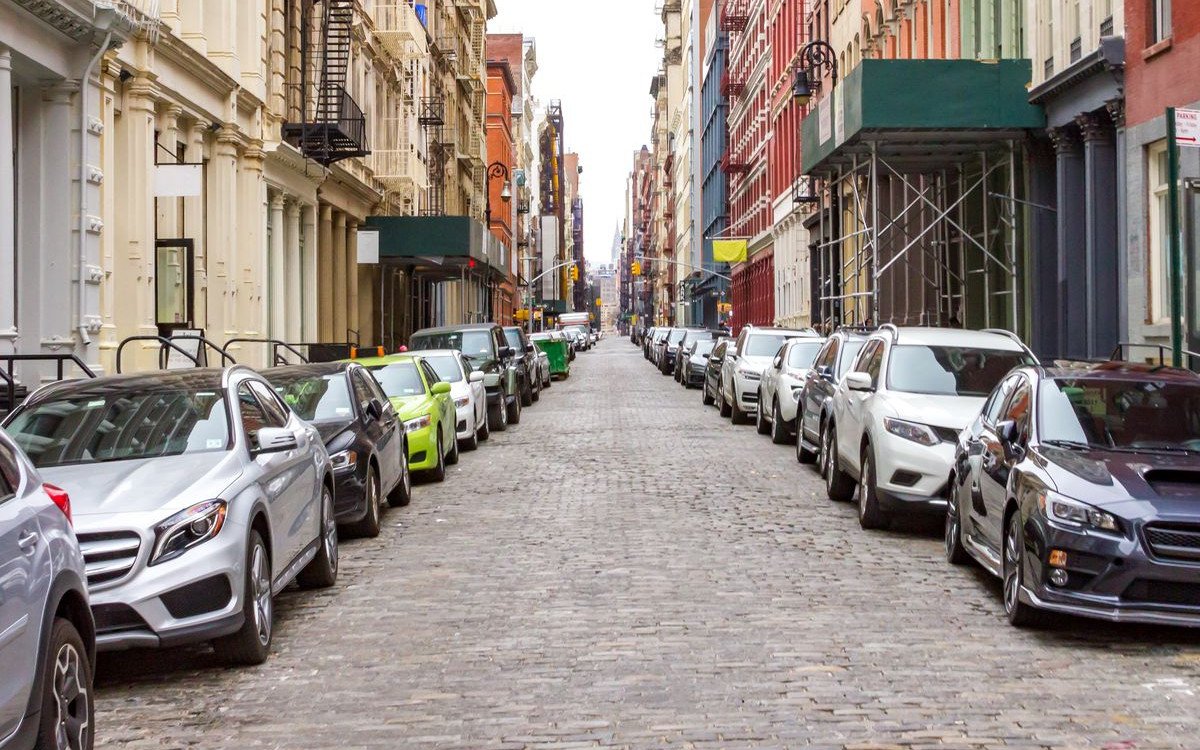
Parking in New York City is expensive because the driver is paying for more than a rectangle of curb or garage floor. The real cost can include the meter or garage fee, time spent circling for a space, fuel, tolls, alternate-side parking obligations, the possibility of a ticket or tow, and the inconvenience of returning to move the vehicle. That is why the cheapest-looking option is not always the lowest-cost choice. A free curb space that takes 30 minutes to find may be more expensive to a commuter or business traveler than a reserved garage that costs more in cash but removes uncertainty.
The best way to plan parking is to start with the trip rather than the parking facility. A two-hour appointment in Midtown, an all-day work visit in Queens, an overnight hotel stay, and a monthly commute have completely different economics. Drivers should decide how long the vehicle needs to remain parked, how much schedule uncertainty they can tolerate, whether the destination is well served by transit, and whether they need frequent access to the car. NYC rules are highly location-specific, so posted signs and meters always take priority over a general guide. The city’s current NYC DOT: Parking Meter Rates page is the right starting point for understanding the official zone structure, but the exact block still controls.
Meter Rates Make Location and Duration Matter
NYC DOT currently uses zone-based meter pricing, and the first hour is not priced the same everywhere. In the highest-priced M1 zone covering the Midtown Core and Lower Manhattan, the all-vehicle rate is $5.50 for the first hour and $9.00 for the second hour. M2, which covers much of Manhattan south of 96th Street, is $5.00 for the first hour and $8.25 for the second. M3, covering Manhattan from 96th to 110th Street, is $3.00 for the first hour and $5.00 for the second. Outside those areas, Zone 1 is $2.50 and $5.00, Zone 2 is $2.00 and $3.00, and Zone 3 is $1.50 and $2.50 for the first and second hours respectively. Commercial-vehicle-only meters in parts of Manhattan use different rates, so businesses should not assume passenger-vehicle pricing applies to their vans or trucks.
| NYC meter zone | First hour | Second hour |
|---|---|---|
| M1 – Midtown Core and Lower Manhattan | $5.50 | $9.00 |
| M2 – Manhattan south of 96th Street | $5.00 | $8.25 |
| M3 – Manhattan 96th to 110th Street | $3.00 | $5.00 |
| Zone 1 – major business districts outside Manhattan | $2.50 | $5.00 |
| Zone 2 – neighborhood retail districts | $2.00 | $3.00 |
| Zone 3 – other metered locations | $1.50 | $2.50 |
The progressive second-hour rates are an important part of the economics. In a high-demand area, a driver cannot simply multiply the first-hour price by the number of hours parked. For a longer appointment, the meter may become less attractive than a garage sooner than expected, especially after search time is included. Maximum meter duration also varies by location and vehicle type, so even a driver willing to pay may not be able to remain in the same curb space for the entire visit. Checking the meter duration before leaving the car is therefore as important as checking the hourly price.
Street Parking Is Cheap Only When the Rules Fit the Trip
Street parking can be economical for short visits, but it carries conditions that garage parking largely avoids. Alternate Side Parking, meter hours, commercial loading, school rules, no-standing zones, temporary construction restrictions, and street-cleaning windows can overlap on the same block. Drivers should read the full stack of signs rather than relying on the first sign they notice. A space that looks legal at 10:00 a.m. can become restricted later in the day, and a misunderstanding that leads to a ticket or tow can erase the savings from several successful parking trips.
Alternate Side Parking is especially important for residents and anyone leaving a car on the street for several hours. NYC publishes a current NYC DOT: Alternate Side Parking calendar with scheduled suspension dates, and the city can also suspend rules because of snow or emergencies. A suspension of alternate-side rules does not automatically make meters free. NYC DOT has repeatedly stated during 2026 snow-related suspensions that meter payment remained in effect, so drivers should treat each rule separately rather than assuming one suspension cancels all parking requirements.
Street parking also has a time cost that is easy to ignore because it does not appear on a receipt. Circling for a space adds fuel or electricity use, delays arrival, and creates the possibility of settling for a location far from the destination. A simple way to compare alternatives is to think of total parking cost as cash price plus search time, moving time, and expected risk. If a driver values an hour of time at $30 and spends 30 minutes searching for a free space, the search has effectively cost $15 before fuel or stress is considered. For some trips, that makes a $20 garage only slightly more expensive than “free” curb parking; for others, the street still wins because a legal space is easy to find.
Garages, Municipal Facilities, and Reservations Trade Cash for Predictability
Commercial garages usually cost more than street parking, but they can save time and reduce the risk of violating curb regulations. The headline price should still be read carefully because private facilities may charge by 30 minutes, by the hour, by a maximum daily period, or through early-bird and event pricing. Taxes, oversize-vehicle surcharges, valet requirements, overnight restrictions, and limited in-and-out privileges can materially change the final amount. A rate that looks attractive online may only apply when the vehicle enters and exits within a narrow time window, so the useful comparison is the final price for the actual schedule.
NYC DOT also operates municipal garages and parking fields, each with its own rates and rules. The official NYC DOT: Municipal Parking Facilities page lists current hourly, daily, and monthly pricing by facility. These locations can be competitive for longer stays outside the most expensive private-garage markets, although they are not available near every destination. Drivers who park repeatedly in the same neighborhood should compare municipal options with nearby private monthly plans rather than evaluating each day independently.
Reservation platforms can improve predictability because the driver can compare locations before entering a congested area, but they should be treated as marketplaces rather than as guarantees that every detail will match expectations. Confirm the garage name, exact address, operating hours, vehicle-size restrictions, entry instructions, cancellation policy, taxes, and whether re-entry is permitted. Event districts deserve extra caution because prices can change sharply when arenas, theaters, or major venues create concentrated demand. Reserving early can help, but transit may still be cheaper once the total trip cost is considered.
Parking Economics Change for Residents, Businesses, and Visitors
Residents should evaluate parking as a monthly or annual expense rather than as a series of isolated days. Street parking may have no direct daily charge, but the household may spend hours moving the car for alternate-side rules, searching after work, monitoring temporary restrictions, and dealing with weather or minor street damage. A monthly garage can look expensive until those recurring costs are assigned realistic values. Conversely, a person who drives only occasionally may find a monthly contract wasteful and be better served by street parking, daily reservations, or transit.
Businesses need to include parking in job costing because service calls, deliveries, photography, catering, maintenance, and other field work can lose profitability when parking and travel time are ignored. A quote that assumes workers can always find a legal curb space may underestimate the real cost of serving dense parts of the city. Garage fees, loading time, tolls, worker time, and the possibility of carrying equipment several blocks should be considered before pricing the job. Routine parking violations should not be treated as a normal operating expense because a workflow that depends on illegal parking can create unpredictable fines and towing risk.
Visitors have a different problem: they may save less from experimenting with street parking because they are unfamiliar with local sign patterns. For a one-time trip, predictability can be worth paying for. Someone visiting a hospital, attending a Broadway performance, or arriving for a tightly scheduled appointment may prefer a garage even when curb parking could theoretically be cheaper. Airport trips add another comparison among airport parking, off-airport lots, taxi, public transit, and rideshare. The correct choice depends on trip length, luggage, number of passengers, tolls, terminal transfers, and the cost of leaving a vehicle parked for several days.
Use the Total Trip Cost to Decide Whether to Drive at All
The most economical parking strategy in New York is sometimes not to park near the destination. Drivers can park farther away in a less expensive area and use the subway or commuter rail for the final part of the trip, or they can leave the car entirely at home when the destination is well served by transit. This is especially relevant for trips into the most congested parts of Manhattan, where parking is only one of the potential driving costs. Tolls and other road-pricing charges can change over time and depend on route and policy, so they should be included using current information rather than an old flat assumption.
A simple decision rule helps. For a short appointment, compare the full two-hour meter cost with the nearest reserved garage and add a realistic amount of search time. For an all-day visit, check whether the meter duration allows the stay and whether alternate-side or loading rules will require moving the car. For an overnight visit, confirm whether the garage remains open, what the overnight maximum is, and whether the next morning creates new street restrictions. For frequent trips, keep a one-month log of meter payments, garages, tolls, tickets, search time, and transit alternatives; the pattern usually reveals whether the current habit is actually economical.
Third-party guides to parking in New York City can be useful for planning, particularly when they explain neighborhood patterns or compare options, but they cannot replace the regulation posted on the block. Construction, film shoots, emergencies, temporary loading zones, special events, and policy changes can alter conditions quickly. The practical habit that saves the most money is not memorizing one set of rates; it is checking current information before the trip and then reading the physical signs before leaving the vehicle.
Conclusion
The economics of parking in New York City are about total cost rather than the first number a driver sees on a meter or garage advertisement. Meter zones, progressive second-hour rates, alternate-side rules, search time, garage taxes and surcharges, event demand, tolls, and the value of the driver’s own time can all change the best option. Street parking is often attractive for short trips when a legal space is easy to find, while garages and municipal facilities become more competitive when the stay is longer or schedule certainty matters. Residents should compare annual costs, businesses should include parking in job pricing, and visitors should give extra weight to predictability. By comparing the full trip rather than the parking fee alone, drivers can make better decisions about where to park—and sometimes whether driving is worth it at all.