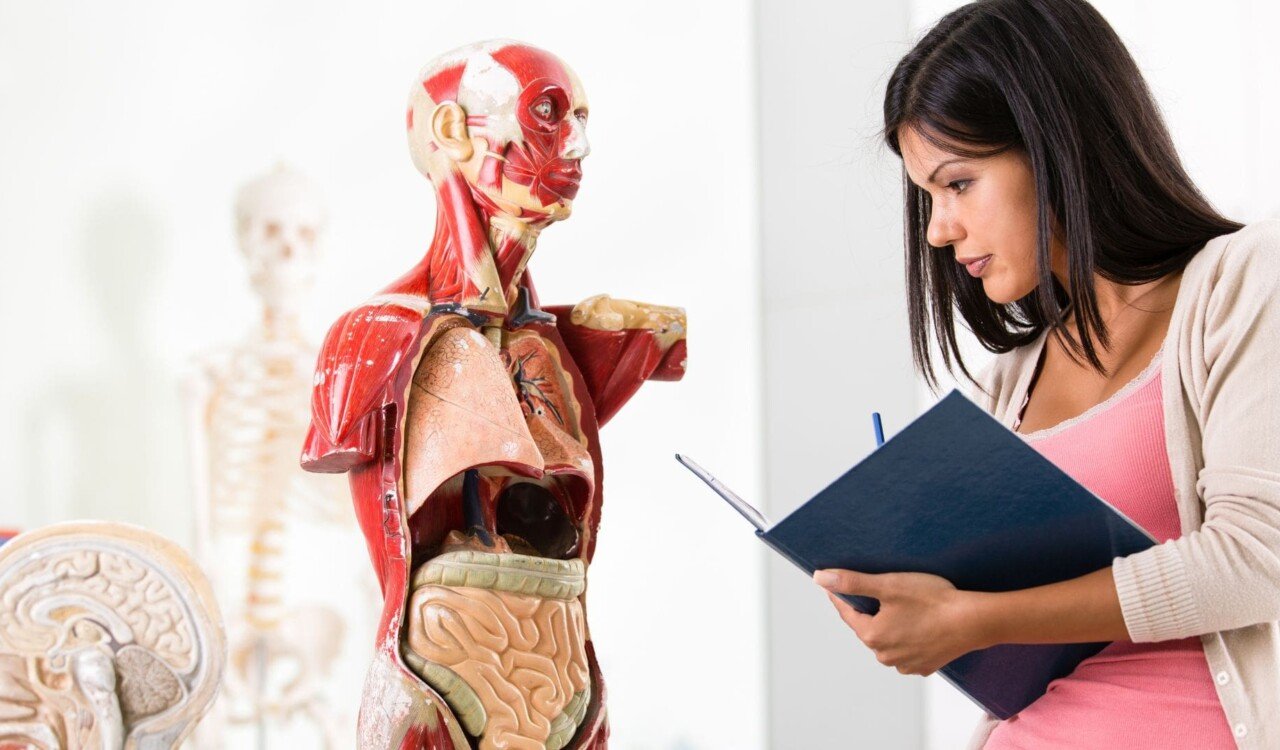
The integumentary and skeletal systems are often taught as separate chapters in anatomy, but they work together continuously to protect the body, support movement, regulate minerals, maintain temperature, support vitamin D metabolism, and preserve overall homeostasis. The integumentary system forms the body’s outer protective interface, while the skeletal system provides internal structure, protects organs, stores minerals, produces blood cells, and works with muscles to make movement possible.
Understanding these systems together is useful because many everyday health processes depend on their interaction. Skin helps the body produce vitamin D after exposure to ultraviolet B radiation, and vitamin D supports calcium absorption and bone mineralization. Bones store most of the body’s calcium and phosphate. Both systems respond to hormones, nutrition, age, physical activity, disease, and environmental stress.
The earlier version of this article contained several oversimplified or outdated claims, including the suggestion that hormone replacement therapy is generally the preferred treatment for osteoporosis and the statement that bone structure and weight are the only modifiable osteoporosis factors. Current evidence supports a much broader understanding of bone health and fracture prevention.
What Is the Integumentary System?
The integumentary system includes the skin and its accessory structures. These include:
- hair;
- nails;
- sweat glands;
- sebaceous glands;
- sensory receptors associated with the skin.
Skin is the body’s largest organ system by surface area. OpenStax estimates that adult skin covers roughly 1.5 to 2 square meters and makes up a substantial proportion of body weight.
The Main Layers of the Skin
The skin itself has two principal layers: the epidermis and dermis. Beneath them lies the hypodermis, or subcutaneous layer, which is closely associated with the integumentary system but is not technically part of the skin itself.
Epidermis
The epidermis is the outer epithelial layer. Its dominant cells are keratinocytes, which produce keratin and help create the protective surface barrier. The epidermis also contains melanocytes, immune-related dendritic cells, and specialized touch-associated cells.
The epidermis has no direct blood supply. Nutrients reach its deeper cells by diffusion from blood vessels in the dermis.
Dermis
The dermis lies beneath the epidermis and is made largely of connective tissue. It contains blood vessels, nerves, hair follicles, sweat glands, sebaceous glands, collagen, and elastic fibers.
The dermis gives skin strength and elasticity and plays a major role in sensation and temperature regulation.
Hypodermis
The hypodermis contains connective tissue and variable amounts of adipose tissue. It helps anchor the skin to deeper structures, insulates the body, stores energy, and provides cushioning against mechanical forces.
Functions of the Integumentary System
Skin does far more than cover the body.
Protection
The integumentary system provides a physical and chemical barrier against many microorganisms, environmental chemicals, mechanical injury, and excessive water loss.
Keratinized cells and lipids in the outer epidermis make the barrier relatively water resistant. This helps prevent dehydration while also limiting entry of many outside substances.
Temperature Regulation
The skin helps regulate body temperature through sweat production and changes in blood flow near the surface.
When body temperature rises, sweat glands can increase secretion. Evaporation of sweat removes heat. Blood vessels in the skin can also dilate, increasing heat loss. In cold conditions, vasoconstriction reduces blood flow near the surface and helps conserve heat.
Sensation
Sensory receptors associated with skin detect touch, pressure, vibration, pain, and temperature. This information is transmitted through the nervous system so that the body can respond to the environment.
Vitamin D Production
Ultraviolet B radiation acting on the skin begins the process by which the body produces vitamin D. The vitamin is then modified in the liver and kidneys into forms involved in calcium and phosphate regulation.
This is one of the most important links between the integumentary and skeletal systems.
Immune Defense
The skin participates in innate and adaptive immunity. Its physical barrier prevents many pathogens from entering, while immune cells in the skin can recognize and respond to threats that penetrate the surface.
What Is the Skeletal System?
The skeletal system consists of bones, cartilage, and ligaments. The adult human skeleton typically contains 206 bones, although the number can vary slightly among individuals.
The skeleton is divided into two major regions:
- Axial skeleton: skull, vertebral column, ribs, sternum, and associated structures forming the central axis.
- Appendicular skeleton: bones of the upper and lower limbs plus the shoulder and pelvic girdles.
Our related overview of human anatomy resources provides additional context for studying organ systems together.
Major Functions of the Skeletal System
According to OpenStax and the National Institute of Arthritis and Musculoskeletal and Skin Diseases (NIAMS), bones perform several essential functions.
Support
The skeleton creates the rigid internal framework that supports soft tissues and gives the body shape.
Protection
Bones surround or shield vulnerable organs. The skull protects the brain, vertebrae protect the spinal cord, the rib cage protects the heart and lungs, and the pelvis protects structures in the lower abdomen and pelvic cavity.
Movement
Bones act as levers. Skeletal muscles attach to bones and generate force across joints. Without this interaction, bones would provide support but not active movement.
Blood Cell Production
Red bone marrow contains hematopoietic tissue that produces red blood cells, many white blood cells, and platelets.
Mineral Storage
Bone is an important reservoir of calcium and phosphate. These minerals are needed not only for skeletal strength but also for nerve function, muscle contraction, cell signaling, and other processes.
Energy Storage
Yellow marrow stores fat in the form of triglycerides, providing an energy reserve.
Bone Is Living Tissue
Bone may look static, but it is biologically active. It is continuously remodeled throughout life.
Major bone-related cell types include:
- osteogenic or osteoprogenitor cells, which can develop into bone-forming cells;
- osteoblasts, which produce new bone matrix;
- osteocytes, mature bone cells that help maintain bone tissue and respond to mechanical forces;
- osteoclasts, which resorb or break down bone.
Healthy bone remodeling requires balance between resorption and formation. That balance changes with age, hormones, mechanical loading, disease, and medication use.
How the Integumentary and Skeletal Systems Work Together
The relationship between these systems is not merely “indirect.” Several physiological links are important.
Skin, Vitamin D, and Calcium Absorption
The best-known connection begins in skin. Ultraviolet B exposure converts a cholesterol-related precursor in the skin into vitamin D3. After additional processing by the liver and kidneys, active vitamin D supports intestinal absorption of calcium and phosphate.
Without adequate vitamin D, calcium absorption can fall, making normal bone mineralization more difficult.
Bones Store Calcium for the Whole Body
Most of the body’s calcium is stored in bone. Blood calcium concentration must be tightly regulated because calcium is needed for nerves, muscles, heart function, and cellular signaling.
If dietary calcium intake or absorption is inadequate, hormonal mechanisms can increase release of calcium from bone to maintain blood levels. That protects immediate physiological functions but can harm bone strength if the imbalance persists.
Mechanical Protection
Skin and subcutaneous tissue provide the first layer of protection from external mechanical force. Beneath them, bones protect deeper organs and provide structural resistance.
This layered protection becomes obvious in injuries. A fall may first damage skin, then soft tissue, and, if force is sufficient or bone is fragile, produce a fracture.
Healing Requires Cooperation
Skin wounds and bone fractures both depend on inflammation, blood supply, cell signaling, tissue formation, and remodeling. Severe injuries that damage both skin and bone—such as open fractures—are especially serious because disruption of the skin barrier increases the risk of infection reaching bone.
Homeostasis and the Integumentary System
Homeostasis refers to the body’s regulation of internal conditions within ranges compatible with normal function.
The integumentary system contributes through:
- temperature regulation;
- control of water loss;
- sensory feedback;
- barrier function;
- vitamin D production;
- immune defense.
Skin does not maintain homeostasis alone. It works with the nervous, endocrine, cardiovascular, immune, renal, and musculoskeletal systems.
Homeostasis and the Skeletal System
The skeleton also contributes to homeostasis in several ways.
Bone stores and releases minerals, particularly calcium and phosphate. Bone marrow produces blood cells. Bone also functions as an endocrine-active tissue, releasing signaling molecules that interact with other organs.
Because blood calcium must remain tightly regulated, skeletal tissue serves as a dynamic reservoir rather than a passive mineral store.
How Bones Remodel
Bone remodeling normally involves coordinated resorption and formation.
Osteoclasts remove older or damaged bone, while osteoblasts create new matrix that later mineralizes. Osteocytes sense mechanical loading and help coordinate the response of bone tissue to stress.
Remodeling allows the skeleton to:
- repair microscopic damage;
- adapt to mechanical load;
- maintain mineral balance;
- replace older bone tissue.
When resorption chronically exceeds formation, bone mass can decline.
What Is Osteoporosis?
Osteoporosis is a disease in which bone mineral density, bone mass, or bone structure deteriorates enough to reduce strength and increase fracture risk.
NIAMS calls osteoporosis a “silent” disease because many people do not know they have it until a fracture occurs.
Fractures most commonly affect the hip, spine, and wrist, although any bone can be involved.
Risk Factors for Osteoporosis
The previous article suggested that age, gender, family history, and bone structure or weight were the major causes and that only structure and weight could be modified. Current understanding is broader.
Risk factors can include:
- older age;
- postmenopausal estrogen decline;
- family history of osteoporosis or hip fracture;
- lower body weight in some individuals;
- low calcium or vitamin D intake;
- physical inactivity;
- smoking;
- excess alcohol use;
- some endocrine, gastrointestinal, kidney, inflammatory, and hematologic diseases;
- long-term use of glucocorticoids and certain other medications;
- previous fragility fracture.
Some risk factors cannot be changed, but many can be addressed through nutrition, exercise, fall prevention, smoking cessation, medical treatment, or management of underlying disease.
How Osteoporosis Is Diagnosed
The most common test for bone mineral density is dual-energy X-ray absorptiometry, commonly called DXA or DEXA.
DXA commonly measures bone density at the hip and spine. Results, medical history, age, fracture history, and other risk factors help clinicians estimate fracture risk and determine whether treatment is appropriate.
Bone density is only part of fracture risk. Falls, muscle weakness, vision, medication effects, balance, home hazards, and previous fractures also matter.
Osteoporosis Treatment Is Not Just Hormone Therapy
The older version of this article described hormone replacement therapy as the most suitable treatment once other options were exhausted. That is not an accurate summary of modern osteoporosis management.
Current treatment depends on age, sex, menopause status, fracture history, bone density, overall fracture risk, medical history, and medication contraindications.
For postmenopausal women at high fracture risk, the Endocrine Society identifies bisphosphonates as common first-line pharmacologic options. Other treatments can include denosumab, anabolic agents such as teriparatide or abaloparatide, romosozumab in selected very-high-risk patients, and other therapies according to individual circumstances.
Menopausal hormone therapy can reduce fracture risk in selected women, especially younger postmenopausal women with symptoms and an appropriate safety profile, but it is not a universal first-choice osteoporosis treatment.
Calcium and Bone Health
Calcium is essential for bone mineralization, but more is not automatically better.
The best approach is generally to meet recommended intake through food when possible. Dairy products, fortified foods, some leafy greens, tofu prepared with calcium, canned fish with edible bones, and other foods can contribute.
People who cannot meet needs through diet may need supplements, but supplement dose should consider age, diet, kidney-stone history, medications, and other health factors.
Vitamin D and Bone Health
Vitamin D supports calcium absorption and bone mineralization. It can come from skin synthesis, food, fortified products, and supplements.
The relationship with sunlight is not simple. Too much ultraviolet exposure increases skin-cancer risk, so deliberately seeking sunburn is not a safe vitamin D strategy. Factors such as latitude, season, skin pigmentation, clothing, age, and sunscreen use affect vitamin D synthesis.
When deficiency is suspected, clinicians can use blood testing and recommend appropriate replacement.
Exercise and Bone Strength
Bone responds to mechanical loading. Weight-bearing and resistance exercise are important for bone health across the lifespan.
NIAMS identifies activities such as walking, stair climbing, resistance exercise, and weight training as useful forms of skeletal loading.
Exercise also strengthens muscles and improves balance, which can reduce fall risk.
People with established osteoporosis or previous fractures may need individualized guidance because some high-impact or spinal-flexion movements can be unsafe depending on the condition.
Skin Aging and Bone Aging
Both systems change with age.
Skin generally becomes thinner and less elastic, with changes in collagen, elastin, sweat production, sebaceous activity, blood supply, and wound healing.
Bone mass also changes. Bone accumulation is strongest during childhood and adolescence, and peak bone mass is generally reached by the twenties. Later in adulthood, bone resorption can increasingly exceed formation, especially after menopause.
These processes are biologically distinct, but nutrition, hormones, activity, smoking, chronic disease, and aging can influence both.
Common Integumentary Disorders
The integumentary system can be affected by many disorders, including:
- eczema;
- psoriasis;
- acne;
- skin infections;
- burns;
- pressure injuries;
- skin cancers;
- hair and nail disorders.
Because skin is visible, many integumentary disorders are noticed early, although serious disease can still be missed without appropriate evaluation.
Common Skeletal Disorders
Skeletal disorders include:
- osteoporosis;
- fractures;
- osteoarthritis involving joints;
- bone infections;
- Paget’s disease of bone;
- genetic bone disorders;
- bone tumors.
Symptoms such as persistent bone pain, recurrent fractures, unexplained loss of height, or major changes in posture deserve medical evaluation.
How the Systems Respond to Injury
Skin and bone use different tissues but share several stages of healing.
Both rely on:
- blood clotting and early inflammation;
- recruitment of repair cells;
- new tissue formation;
- blood-vessel growth;
- remodeling over time.
Good blood supply, adequate nutrition, control of infection, and avoidance of smoking can be important for tissue healing.
For an example involving musculoskeletal injury and treatment, see our overview of common shoulder injuries and conditions.
Why Skin Integrity Matters for Bone Infection
Intact skin creates a barrier between the external environment and deeper tissue. When an injury exposes bone, microorganisms can gain direct access to structures that are normally protected.
Open fractures therefore require urgent medical attention because infection of bone, called osteomyelitis, can become serious and difficult to treat.
Nutrition for Both Systems
Healthy skin and bone require adequate nutrition rather than one “superfood.”
Important nutrients include:
- protein for structural tissue and repair;
- calcium and phosphorus for bone mineral;
- vitamin D for calcium metabolism;
- vitamin C for collagen synthesis;
- zinc and other micronutrients involved in wound healing;
- adequate energy intake to support tissue maintenance.
Severe undernutrition can impair both wound healing and bone health.
Homeostasis Is a Whole-Body Process
It is tempting to say that one organ system “maintains” homeostasis, but the process is coordinated across the body.
For example, calcium regulation involves bone, intestine, kidney, parathyroid glands, vitamin D metabolism, and endocrine signaling. Temperature regulation involves skin, blood vessels, sweat glands, the nervous system, metabolism, and behavior.
The value of studying organ systems separately is clarity. The value of studying them together is understanding that physiology is integrated.
Practical Ways to Support Skin and Bone Health
- Eat a balanced diet with adequate protein, calcium, and vitamin D.
- Exercise regularly, including resistance and weight-bearing activity when appropriate.
- Avoid smoking.
- Limit excessive alcohol intake.
- Protect skin from excessive ultraviolet exposure.
- Use fall-prevention strategies when fracture risk is elevated.
- Review long-term medications with a clinician when they may affect bone density.
- Seek evaluation for persistent wounds, suspicious skin lesions, unusual fractures, or unexplained bone pain.
Conclusion
The integumentary and skeletal systems perform different jobs but contribute together to protection, movement, mineral regulation, vitamin D metabolism, healing, and homeostasis.
The integumentary system provides the body’s outer barrier, regulates temperature, supports sensation, participates in immunity, and begins vitamin D synthesis. The skeletal system supports and protects the body, works with muscles to create movement, produces blood cells, and stores minerals.
Their connection is especially clear in bone health. Skin-derived vitamin D supports calcium absorption, while bone stores calcium and continually remodels in response to hormones, nutrition, and mechanical stress.
Modern bone care also requires more nuance than the older view that calcium, vitamin D, and hormone therapy are the main answers. Osteoporosis prevention and treatment can involve exercise, fall prevention, nutrition, management of secondary causes, bone-density assessment, and several classes of medication chosen according to individual fracture risk.
Sources and Further Reading
- OpenStax Anatomy and Physiology 2e — Layers of the Skin
- OpenStax — Functions of the Integumentary System
- OpenStax — Functions of the Skeletal System
- NIAMS — What Is Bone?
- NIAMS — Osteoporosis Overview
- NIAMS — Osteoporosis Diagnosis and Treatment
- NIAMS — Exercise for Bone Health
- Endocrine Society — Osteoporosis Treatment Guideline