
Florida’s long warm-season humidity can damage beach, pool, camping, boating, and outdoor recreation gear if items are stored while salty, chlorinated, sandy, or damp. The biggest storage problem is not simply “dirt.” It is trapped moisture combined with organic residue, salt, and limited airflow. The timing also needs to be described accurately. August does not mark the beginning of Florida’s rainy season. The National Weather Service says the rainy season in Southwest Florida generally runs from May 15 to October 15, while much of West Central Florida typically runs from May 25 to October 10. Thunderstorm coverage increases sharply in June and continues through early October. That means gear care should be a routine throughout the warm wet season rather than a one-time August task. After beach days, pool use, camping trips, or stormy weekends, rinse appropriate items, clean them according to manufacturer instructions, dry them completely, and store them where humidity and flooding are less likely to cause damage. If you need professional household help while preparing storage areas, a local search such as Cleaning near me can help identify service options, but cleaning outdoor gear still requires attention to each item’s material and manufacturer care instructions. A chemical that is safe for a hard cooler may damage a coated tent, inflatable PVC, neoprene, aluminum frame, or waterproof fabric.
This guide explains how to clean and store common summer gear safely in Florida, why humidity control matters, which “home remedies” should not be applied universally, how to protect equipment from garage and shed moisture, and how to prepare for hurricane-season flooding.
Florida’s Rainy Season Makes Moisture Control the Main Storage Problem
The National Weather Service Tampa Bay — Florida Thunderstorm/Rainy Season explains that west-central Florida’s rainy season typically runs from late May into early October, with frequent thunderstorms and sustained humidity. For stored beach, pool, camping and sports gear, that means the biggest risk is often not dirt itself but moisture trapped before storage or absorbed afterward in a hot, humid garage or shed. Moisture supports: mold growth;; mildew odors;; metal corrosion;; adhesive deterioration;; fabric staining;; foam breakdown;; bacterial growth in dirty wet items.. Heat accelerates many chemical and biological processes, making a hot, humid garage particularly challenging.
Dry the Gear Completely Before You Worry About Containers
The UF/IFAS — Understanding Florida Homes and Indoor Humidity discussion is useful because Florida storage conditions differ sharply between conditioned indoor space and garages, sheds or enclosed porches. A sealed bin cannot rescue damp gear; if moisture is trapped inside, the container can create an even better environment for odor, mildew and corrosion. UF/IFAS guidance published in 2026 recommends keeping indoor relative humidity around 55% or lower where practical. Higher indoor humidity can: encourage mold;; reduce indoor air quality;; damage furnishings;; increase moisture problems.. A simple hygrometer can help you understand whether a storage room or conditioned garage is staying too humid. Garage and Shed Conditions Can Be Much Worse Than Indoor Conditions An unconditioned shed may experience: high relative humidity;; rapid temperature swings;; condensation;; roof leaks;; wind-driven rain;; flooding..
Items that tolerate indoor closet storage may deteriorate quickly in an outdoor shed. Rule 1: Never Store Gear Wet This is the most important rule. Before storage, gear should be: clean enough for the material; rinsed if exposed to salt or chlorine; drained; fully air dried; inspected before being sealed or folded.. Why “Feels Dry” Is Not Always Dry Moisture can remain: inside seams;; under cooler liners;; inside valves;; beneath umbrella folds;; inside snorkel tubing;; between stacked chairs;; under padded straps..
Give complex items extra drying time. Clean for the residue that actually damages the material. Salt from seawater can continue to attract moisture from humid air. Salt residue can also contribute to corrosion on: zippers;; fasteners;; chair frames;; hinges;; tools;; metal buckles.. Rinse salt-exposed gear with fresh water when the manufacturer permits it. Rule 3: Remove Chlorine Residue Pool chlorine can degrade: swimwear elastic;; some coatings;; rubber;; foam;; certain plastics over time.. After pool use, fresh-water rinsing is often more important than adding an aggressive household cleaning chemical. Do Not Use a Universal 50/50 Vinegar Mix on Everything The previous version of this article recommended a 50/50 vinegar-and-water mix for floats and snorkeling equipment. That is too broad. Acidic cleaners can interact differently with: rubber;; silicone;; PVC;; adhesives;; coatings;; metal parts.. Follow the manufacturer’s cleaning instructions first.
Coolers, Bags, Towels and Swimwear Need Different Drying Strategies
After use: Empty food and ice completely. Remove loose debris. Clean the liner with mild soap and water if permitted. Rinse or wipe away soap residue. Dry the interior with a clean towel. Leave every compartment open until fully dry.. Do Not Store a Cooler Closed While Damp A sealed damp cooler can develop: musty odor;; mold;; bacterial growth;; staining.. After it is completely dry, store it clean with the lid or zipper positioned according to the manufacturer’s storage guidance. Hard Coolers Hard coolers are easier to clean but still require complete drying. Pay attention to: drain plugs;; gaskets;; hinges;; cup holders;; handles.. Water trapped around gaskets or drains can create odor. Beach Bags Empty everything first. Sand collects in: bottom seams;; pockets;; zipper tracks;; mesh corners.. Shake or vacuum dry sand before washing. Wet sand can be harder to remove. Beach Towels Do not leave damp towels inside: plastic bags;; car trunks;; closed beach bags;; coolers.. Launder according to the fabric label and dry completely before long-term storage. Swimwear Rinse swimwear in cool fresh water after pool or saltwater use. Follow the garment label for washing. Avoid: high heat;; harsh bleach unless specifically permitted;; aggressive wringing.. Heat can damage elastic fibers. Water Shoes and Flip-Flops Remove: sand;; mud;; salt residue.. Allow shoes to dry thoroughly, especially: under removable insoles;; inside toe areas;; beneath straps..
Water Gear, Inflatables and Beach Equipment Should Be Stored With Airflow and Material Compatibility in Mind
After saltwater or pool use: rinse with clean fresh water;; remove sand;; allow complete drying;; store away from intense heat and direct sunlight.. Silicone skirts and straps can deform if compressed improperly for long periods. Snorkel Mouthpieces Because mouthpieces contact saliva, hygiene matters. Follow manufacturer instructions for cleaning and disinfection. Do not share personal snorkels without appropriate disinfection. Fins Rinse fins after saltwater use and dry before storage. Store them: flat or in a position that prevents permanent bending;; away from intense heat;; without heavy items on top.. Inflatable Pool Floats Before deflating: Rinse as recommended. Remove visible dirt. Dry both sides. Check folds and seams. Make sure valves are dry.. Then deflate carefully. Do Not Fold Wet Inflatable PVC or Vinyl Moisture trapped in folds can create: mildew;; odor;; surface sticking;; staining.. Pool Toys Hollow toys can trap water inside. If water enters through: valves;; holes;; cracks,. drying may be difficult. Discard damaged toys that cannot be cleaned effectively, especially items used by young children. Beach Chairs Sand and salt collect around: hinges;; rivets;; tube joints;; fabric attachments.. After rinsing: open the chair fully;; dry both fabric and frame;; move hinges while drying if appropriate;; inspect for rust.. Aluminum vs. Steel Frames Aluminum resists red rust but can still corrode. Steel frames are more vulnerable to rust where: paint is chipped;; welds are exposed;; salt remains..
Beach Umbrellas Before storage: remove sand;; rinse salt where appropriate;; open fully to dry;; inspect ribs;; check the pole and locking mechanism.. Never wrap a damp canopy tightly around the pole. Patio Umbrellas If a storm or tropical system is forecast, close and secure or remove umbrellas according to manufacturer and local safety recommendations. Outdoor umbrellas can become wind hazards.
Camping, Boating and Sports Equipment Need Special Attention to Fabric, Metal and Safety Gear
Tents require special care because aggressive cleaning can damage waterproof coatings. Generally: shake out debris;; spot clean gently;; follow tent-maker instructions;; dry completely before packing.. Never Pack a Damp Tent Even one night packed wet can create odor and mildew problems in warm conditions. If you must pack wet because of rain, unpack and dry it as soon as possible at home. Sleeping Bags Use the manufacturer’s washing instructions. For long-term storage, many sleeping-bag manufacturers recommend avoiding extreme compression. A large breathable storage sack can help protect loft. Camping Stoves Remove food residue and clean according to manufacturer guidance. Fuel storage requires special safety precautions. Do not store fuel canisters: inside hot vehicles;; near ignition sources;; in conditions prohibited by the manufacturer.. Boating and Fishing Gear Salt exposure makes freshwater rinsing especially important for: reels;; rods;; pliers;; hooks;; metal clips;; life-jacket hardware.. Use manufacturer-approved lubrication for mechanical parts. Life Jackets and PFDs Do not use harsh cleaners that can damage flotation material. Dry PFDs away from extreme heat and store where they are not compressed under heavy equipment. Inspect: straps;; buckles;; fabric;; flotation;; labels.. Sports Equipment For balls, rackets, paddles, helmets, and protective gear: remove sweat and dirt;; dry padding;; inspect straps;; avoid sealed damp bags.. Helmets Do not use solvents or harsh cleaners on helmets unless approved by the manufacturer. Some chemicals can damage foam or shell materials.
Choose the Storage Location Before Choosing the Bin
Conditioned indoor storage is usually easier to control than a garage or shed. The U.S. EPA recommends keeping indoor relative humidity below 60 percent, ideally around 30–50 percent, to reduce mold risk. If the storage area regularly exceeds that range, a hygrometer, dehumidification, airflow and leak control may matter more than switching from one plastic container to another. People searching for Cleaning near me can use professional cleaning help when gear or storage areas need more than routine washing, but dampness and leaks still have to be corrected at the source. The previous article suggested breathable bins as a universal solution. In Florida, the correct container depends on the space. Conditioned indoor storage Breathable bags can work for some fabrics. Garage or shed Sealed plastic containers can protect against: insects;; dust;; minor leaks.. But only put completely dry items inside. Airtight Storage Does Not Fix Wet Gear Sealing moisture inside a waterproof bin makes the problem worse. Dry first. Seal second. Desiccant Packs Desiccants can help control small amounts of residual humidity inside sealed containers. They do not replace: proper drying;; leak repair;; dehumidification.. Replace or regenerate desiccant as directed. Store Gear Off the Floor This is one of the strongest Florida storage habits. Use: metal or plastic shelving;; wall racks;; raised platforms.. Keeping gear above floor level can reduce damage from: minor flooding;; garage-door water entry;; plumbing leaks;; pests..
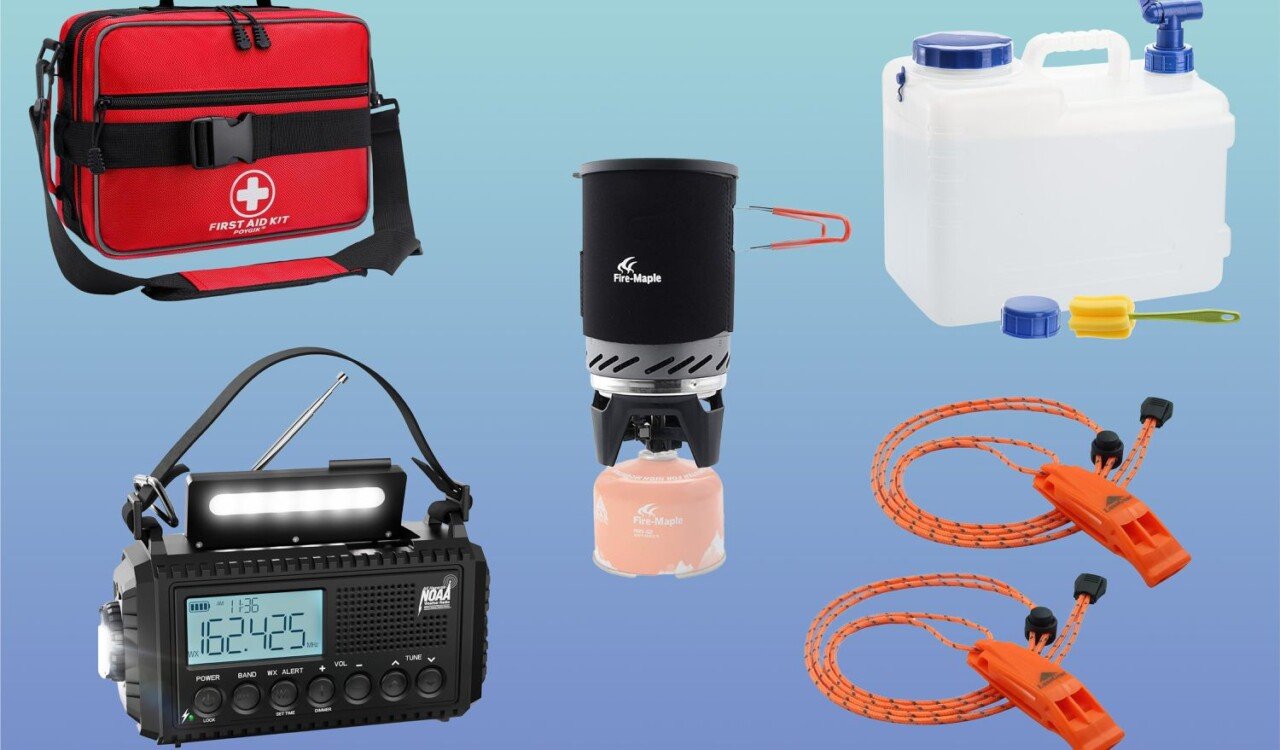
Hurricane-Season Storage Florida’s Atlantic hurricane season overlaps with the rainy season. Before a tropical storm or hurricane: bring loose outdoor items inside;; secure umbrellas;; raise valuable gear above flood-prone floor level;; keep emergency equipment accessible.. Do Not Bury Emergency Gear Keep: flashlights;; weather radio;; portable chargers;; emergency water containers;; storm shutters/tools. separate from seasonal recreation equipment. Check Storage Areas for Leaks Inspect after heavy rain. Look for: roof stains;; water around garage doors;; wet walls;; condensation;; musty odor.. Use a Hygrometer A small humidity monitor can reveal conditions that are not obvious. If an indoor storage area routinely stays above the recommended range, consider: HVAC maintenance;; dehumidifier;; better airflow;; air-leak sealing;; moving sensitive gear to conditioned space..
Mold, Leaks and Hurricane-Season Access Change What Is Worth Saving
Do not automatically clean every moldy item the same way. Material and contamination level matter. Some porous items can be difficult to restore safely. If an item: has extensive mold;; retains odor after cleaning;; has damaged structural material;; cannot be cleaned according to manufacturer instructions,. replacement may be more practical. Do Not Spread Mold During Cleaning Avoid shaking heavily contaminated fabric inside the home. Clean outdoors or use appropriate containment when practical. People with asthma, allergies, or immune issues should be especially cautious around mold. What Is Worth Saving? Consider: replacement cost;; structural condition;; cleanability;; safety.. Do not keep: damaged flotation equipment;; cracked helmets;; moldy mouthpieces that cannot be sanitized;; corroded safety hardware.. A practical Florida storage routine. Sort gear by material and use. Discard unsafe damaged items. Remove sand and loose debris. Rinse salt/chlorine where appropriate. Clean using manufacturer-approved methods. Dry completely. Inspect metal for corrosion. Lubricate approved moving parts. Store in the correct container. Raise containers off the floor. Monitor storage humidity. Reinspect after major storms..
Conclusion
Florida’s summer gear is exposed to a difficult combination of salt, chlorine, sand, heat, and months of high humidity. The most effective protection is simple: clean according to the material, rinse corrosive residue, dry completely, and store in a space where moisture can be controlled. There is no universal cleaning solution for every piece of equipment. Vinegar, bleach, baking soda, and strong detergents can all damage certain coatings, plastics, foams, adhesives, or metals. Manufacturer instructions should come first. Storage location matters just as much as cleaning. Keep valuable gear off flood-prone floors, inspect sheds and garages for leaks, monitor humidity where possible, and move sensitive equipment to conditioned space if the environment remains persistently damp. Florida’s rainy season lasts for months, so this should be a repeated habit—not an emergency task performed when August arrives. Rinse, dry, inspect, and store correctly after each period of heavy use, and your gear will be far more likely to survive the wet season ready for the next trip.