
Contents.
Introduction: Why Car Paint Protection Matters More Than Ever. A car is more than just a mode of transport—it is an investment, a reflection of personal style, and in many cases, a long-term financial asset. However, maintaining that showroom finish is becoming increasingly difficult due to modern driving conditions. Road debris, UV exposure, harsh weather, bird droppings, and even automatic car washes can slowly degrade a vehicle’s exterior. This is where advanced automotive protection solutions come in. Among them, Paint Protection Film (PPF) has emerged as one of the most reliable and long-lasting ways to preserve a car’s original finish. Brands like Master Protection Films and their official platform masterprotectionfilms.com have contributed significantly to making high-quality PPF solutions more accessible for car owners who want professional-grade protection without compromising aesthetics. In this guide, we will explore how Paint Protection Film works, why it is so effective, and how it helps keep your car looking brand new for years.
What Is Paint Protection Film?
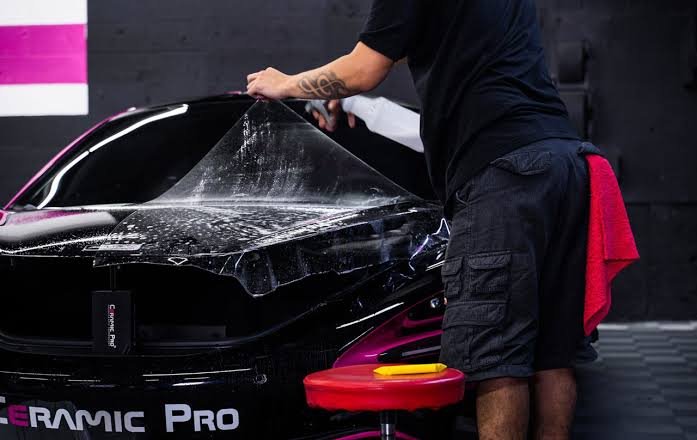
Paint Protection Film, commonly known as PPF, is a transparent, durable urethane-based layer applied to a vehicle’s painted surfaces. Its primary purpose is to act as a protective barrier between your car’s paint and external damage sources. Unlike wax or sealants that sit on top of the paint temporarily, PPF is engineered to absorb impact and resist physical damage. It is virtually invisible when properly installed, allowing the original color and gloss of the vehicle to shine through. Modern PPF technology also includes self-healing properties. Minor scratches and swirl marks can disappear with heat exposure from sunlight or warm water, keeping the surface smooth and glossy over time.
How Paint Protection Film Works
To understand how PPF keeps your car looking new, it is important to look at how it functions on a technical level. 1. Impact Absorption Layer. The top layer of PPF is designed to absorb minor impacts from road debris such as gravel, sand, and small stones. Instead of the paint taking the hit, the film distributes the force across its surface. 2. Elastic Polyurethane Structure. The middle layer provides flexibility and strength. This elasticity allows the film to stretch slightly upon impact without tearing or damaging the underlying paint. 3. Adhesive Bonding Layer. The bottom layer securely bonds the film to the vehicle’s paint. This layer is engineered to be strong yet safe, ensuring it does not damage the paint when removed properly. Together, these layers create a durable shield that preserves the car’s factory finish.
Why Paint Protection Film Keeps Cars Looking New
There are several reasons why PPF is considered the gold standard in automotive surface protection. Protection Against Physical Damage. Everyday driving exposes vehicles to scratches, chips, and abrasions. Highway driving is especially harsh due to high-speed debris impact. PPF acts as a sacrificial layer that absorbs this damage, keeping the paint underneath untouched. Resistance to Environmental Hazards. Bird droppings, tree sap, road salt, and acid rain can all damage car paint if left untreated. PPF provides a chemical-resistant barrier that prevents these contaminants from reaching the paint surface. UV Protection. Prolonged exposure to sunlight can cause paint fading and oxidation. High-quality PPF blocks harmful UV rays, helping the paint maintain its original color and gloss. Self-Healing Technology. One of the most impressive features of modern PPF is its self-healing ability. Light scratches and swirl marks fade when exposed to heat, restoring a smooth finish without polishing.
Benefits of Installing Paint Protection Film
Installing PPF offers both aesthetic and financial advantages for vehicle owners. 1. Long-Term Paint Preservation. PPF helps maintain factory-fresh paint condition for years, reducing the need for repainting or touch-ups. 2. Higher Resale Value. A well-maintained exterior significantly increases resale value. Buyers are more likely to pay a premium for a vehicle with original, undamaged paint. 3. Reduced Maintenance Costs. With PPF installed, the need for frequent detailing, polishing, and paint correction is greatly reduced. 4. Enhanced Gloss and Finish. High-quality films enhance the visual appeal of the vehicle, giving it a deeper gloss or satin finish depending on the selected type.
Paint Protection Film vs Ceramic Coating
Many car owners compare PPF with ceramic coating when choosing protection solutions. Ceramic Coating. Ceramic coatings provide a hydrophobic layer that repels water and dirt. They enhance shine and make cleaning easier, but they do not protect against physical impacts like stone chips. Paint Protection Film. PPF offers physical protection against scratches, chips, and abrasions while also providing UV and chemical resistance. Which One Is Better? For maximum protection, PPF is superior. However, many professionals recommend combining both: PPF for impact-prone areas and ceramic coating on top for enhanced gloss and easier cleaning.
Where Should You Apply Paint Protection Film?
While some owners choose full-body coverage, others focus on high-impact areas. High-Impact Zones Include:.
- Front bumper
- Hood
- Side mirrors
- Front fenders
- Door edges
- Headlights
These areas are most exposed to road debris and benefit significantly from protection.
Installation Quality Matters
Even the best Paint Protection Film will not perform properly if installed incorrectly. Professional installation ensures:
- Proper surface preparation
- Bubble-free application
- Precise edge alignment
- Long-lasting adhesion
This is why choosing a trusted provider is essential. Companies like Master Protection Films focus on delivering high-quality materials and professional installation standards that ensure durability and visual perfection.
How Long Does Paint Protection Film Last?
The lifespan of PPF depends on film quality, installation, and maintenance. On average, high-grade films can last between 5 to 10 years. Regular washing and avoiding harsh chemicals can extend the life of the film. Many modern PPF products also come with warranties, offering additional peace of mind for vehicle owners. Maintenance Tips for PPF-Protected Cars. Although PPF reduces maintenance efforts, proper care ensures maximum performance. Recommended Practices:.
- Wash regularly using pH-neutral car shampoo
- Avoid abrasive sponges or brushes
- Dry using microfiber towels
- Inspect edges periodically for lifting
- Avoid strong solvent-based cleaners
These simple steps help maintain both the film and the underlying paint.
Common Myths About Paint Protection Film
Myth 1: PPF Is Visible and Ruins Appearance. Modern PPF is nearly invisible when professionally installed. Myth 2: It Damages Paint When Removed. High-quality film can be safely removed without damaging factory paint. Myth 3: It Is Only for Luxury Cars. PPF is beneficial for all vehicles, regardless of price or model. The Future of Paint Protection Technology. Automotive protection technology continues to evolve. New-generation PPF includes improved self-healing capabilities, enhanced clarity, and stronger resistance to environmental damage. As demand grows, more car owners are recognizing the long-term value of investing in protection rather than repair.
Conclusion
Paint Protection Film is one of the most effective solutions for keeping a vehicle’s exterior in pristine condition. It protects against scratches, chips, UV rays, and environmental damage while preserving the car’s original finish. For car owners who value long-term aesthetics and resale value, PPF is not just an upgrade—it is a necessity. To explore professional-grade solutions, visit https://masterprotectionfilms.com/ and discover how advanced protection systems can help keep your vehicle looking brand new for years to come.