
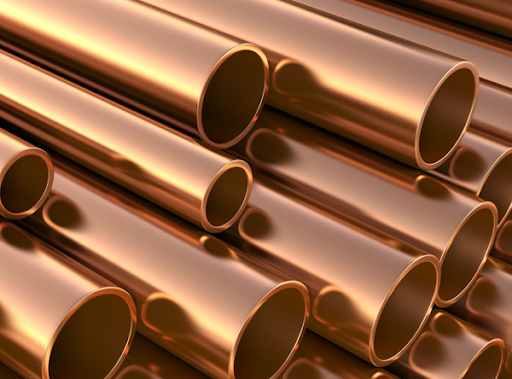
Copper piping has been used for water distribution, refrigeration, medical gas, HVAC, fire protection, and industrial service for decades because copper combines corrosion resistance, thermal conductivity, formability, joining flexibility, and long service life. But copper is not universally corrosion-proof, and it does not need a protective coating in every application. The original version of this article incorrectly suggested that copper pipes are inherently “more prone to corrosion” and should generally be coated. In reality, properly selected copper tube performs without external coating in many normal building environments. Coatings, sleeves, wraps, or other protection become important only when the surrounding soil, concrete, chemicals, condensation conditions, galvanic contacts, or external atmosphere create a specific corrosion risk. Similarly, commercial plumbing copper is not simply raw copper containing casual trace amounts of manganese and iron. Common copper tube is manufactured to defined standards and compositions. The correct material, wall type, joining method, water chemistry, installation practice, and service environment all influence performance. This guide explains copper piping properties, common tube types, corrosion mechanisms, when coatings are useful, joining methods, water and refrigerant applications, industrial uses, and how to decide whether Copper pipes are commonly used appropriately for a particular system.
Why Copper Remains an Important Piping Material
Copper is a naturally occurring metallic element with the chemical symbol Cu. Important properties include: high thermal conductivity; high electrical conductivity; good ductility; good formability; useful corrosion resistance; easy soldering, brazing, and mechanical joining; recyclability. Why Copper Works Well as Pipe and Tube. Copper tubing can be:
drawn into thin walls; bent; flared; expanded; soldered; brazed; press connected. That makes it practical for: residential plumbing; commercial plumbing; refrigeration; medical gas; heat exchangers; industrial process piping. Copper Tube vs. Copper Pipe. In everyday language, people use “copper pipe” and “copper tube” interchangeably.
Technical standards often use the term tube. Dimensions and wall thickness are controlled by product standards.
Copper Tube Types and How They Differ
In North American plumbing, common tube types include: Type K; Type L; Type M. For the same nominal size: Type K has the thickest wall; Type L is intermediate; Type M is thinner. Permitted use depends on: pressure; application; local plumbing code; installation method. Type K. Type K is commonly used where greater wall thickness is required. Potential applications include: underground water service; commercial systems; high-duty installations. Type L. Type L is widely used for: domestic water; commercial plumbing; hydronic systems; selected medical gas installations where specific standards apply. Type M. Type M has a thinner wall and can be used in permitted above-ground water applications. It should not be substituted where code or design requires a heavier type. ACR Copper Tube. Air-conditioning and refrigeration copper tube is manufactured and cleaned for refrigerant service. It is often supplied: capped; dehydrated; clean internally. Do not use ordinary plumbing tube casually in a refrigeration system without confirming the specification. Medical Gas Copper Tube. Medical gas systems have strict requirements for: cleanliness; tube type; brazing; purging; installer qualification; testing. Follow applicable medical-gas codes rather than general plumbing practice.
Corrosion Resistance, Water Chemistry, and Flow
When exposed to many normal environments, copper develops protective surface films. These films can slow further corrosion. That is why copper can remain in service for decades in: potable water; building systems; atmospheric exposure. Copper Can Still Corrode. Failures can occur from: aggressive water chemistry; high velocity; stagnation; flux residue; stray electrical current; galvanic coupling; external soil; concrete additives; ammonia-containing environments; microbiological conditions. Pitting Corrosion. Pitting is localized attack that creates small deep cavities. Possible contributors can include: water chemistry; surface contamination; poor commissioning; stagnation; temperature. Erosion-Corrosion. Excessive velocity, turbulence, or poor fitting geometry can damage protective films. Risk areas include: undersized tube; sharp flow changes; pump discharge; partially closed valves. Flow Velocity Matters. Designers should use guidance appropriate to: water temperature; tube size; service; water chemistry. Do not size piping only to minimize material cost. Cold-Water vs. Hot-Water Service. Hot water can accelerate certain corrosion processes and affects: flow guidance; thermal expansion; joint stress. Water Chemistry. Important factors can include: pH; alkalinity; chloride; sulfate; dissolved oxygen; hardness; temperature. If a building experiences unexplained copper failures, laboratory water analysis may be necessary. Blue-Green Staining. Copper corrosion products can create: blue-green stains; metallic taste; visible deposits. Do not assume all green staining means the pipe is about to fail. Investigate the source. External Corrosion. External attack can occur when copper contacts: aggressive soil; chemically contaminated backfill; certain concrete environments; persistent moisture; cleaning chemicals.
When Copper Needs External Protection or Coating
External protection may be useful when: buried in aggressive soil; exposed to corrosive chemicals; subject to persistent condensation; in contact with incompatible materials; required by project specification. Common Protection Methods. Depending on the application: factory-applied polymer coating; plastic sleeve; tape/wrap; insulation; barrier membrane; protective paint for suitable external service. The protection system must be compatible with copper. Do Not Coat the Inside of Potable-Water Tube Randomly. An internal coating can affect: water quality; code compliance; pressure; future repair. Use only approved systems designed for the service. Barrier Coatings. A barrier coating isolates the metal from: water; oxygen; soil; chemicals. The coating must remain intact. Sacrificial Coatings and Copper. The original article described galvanic sacrificial coatings as though all coating approaches apply equally to copper. Sacrificial metallic coatings are widely used for some metals, especially steel, but are not a universal normal coating strategy for copper plumbing. Choose a protection system designed for copper and the environment.
Galvanic Corrosion and Dissimilar-Metal Connections
When different metals are electrically connected in an electrolyte, galvanic corrosion can occur. The risk depends on: metal pair; electrolyte; surface area ratio; temperature; water chemistry. Copper and Galvanized Steel. Directly connecting copper and galvanized steel can create galvanic issues. Use appropriate: dielectric fittings; transition fittings; approved joining design.
Joining Methods: Soldering, Brazing, Press, Flare, and Compression
Capillary soldering is common in plumbing. A good joint requires: clean tube; clean fitting; appropriate flux; correct solder; proper heating; post-joint cleaning. Lead-Free Plumbing Solder. Potable-water systems use lead-free solder according to applicable regulations and codes. Do Not Overuse Flux. Excessive flux left inside piping can contribute to corrosion. Use the correct amount and flush the system properly. Brazing. Brazing uses a higher-temperature filler metal than soft soldering. It is common in: refrigeration; medical gas; industrial systems. Nitrogen Purging During Refrigeration Brazing. Flowing dry nitrogen through the tube during brazing helps reduce internal oxide formation. Oxide scale can contaminate refrigeration systems. Press Fittings. Press systems use mechanically pressed fittings with sealing elements. Advantages can include: no flame; fast installation; use in occupied buildings. Use approved tools and verify fitting/service compatibility. Flared Joints. Flared copper connections are common in selected:
refrigeration; gas; instrumentation. Incorrect flare geometry can leak. Compression Fittings. Compression fittings can be convenient for accessible low- to moderate-pressure service. Follow manufacturer limits.
Thermal Movement, Insulation, and Condensation
Copper conducts heat extremely well. This makes it useful for: heat exchangers; refrigeration coils; solar thermal systems; hydronic heating. Thermal Expansion. Long copper runs expand and contract with temperature. Design may need: offsets; loops; anchors; guides; sliding supports. Freeze Protection. Copper tube can burst if trapped water freezes and expands. Protect piping through: insulation; heated spaces; heat tracing where appropriate; drain-down; freeze-resistant routing. Insulation. Insulation can reduce: heat loss; heat gain; condensation; surface temperature risk. Condensation. Cold copper lines in humid areas can sweat. Persistent condensation can damage: ceilings; walls; nearby materials.
Where Copper Piping Is Commonly Used
Copper remains widely used for drinking-water distribution. Material and installation must comply with: local plumbing code; potable-water product standards; lead-free requirements. Refrigeration. Copper is common for: refrigerant suction lines; liquid lines; heat pumps; air conditioning. Modern refrigerants can operate at high pressures, so the tube and fittings must be rated for the refrigerant and design pressure. Medical Gas. Medical oxygen and vacuum systems require: clean tube; qualified installation; nitrogen purge; testing; labeling. Fire Sprinklers. Copper tube can be permitted in selected fire-sprinkler systems depending on: code; design; listing. Industrial Process Piping. Copper and copper alloys can be used for: water; air; heat transfer; selected chemicals. Do not assume copper is compatible with every process chemical. Ammonia Warning. Ammonia-containing environments can attack copper and copper alloys. Material compatibility should be checked before use. Oil and Gas. The old article broadly suggested copper piping for oil-and-gas product transport.
In major process and transmission service, steel and specialized alloys are much more common. Copper may appear in: instrumentation; utility service; special low-pressure systems. It should not be generalized as a primary hydrocarbon pipeline material. Food and Beverage. Copper may be used in: brewing equipment; heat-transfer systems; traditional vessels. Food-contact suitability depends on: product acidity; cleaning chemicals; regulatory requirements; surface condition. Recycling. Copper has high recycling value. Old tube can be: recovered; remelted; reused in new copper products.
Copper Compared With PEX and CPVC
| Factor | Copper | PEX |
|---|---|---|
| Rigidity | Rigid/semi-rigid | Flexible |
| Heat resistance | High | Product dependent |
| Corrosion | Can corrode in aggressive water | No metallic corrosion |
| Installation | More fittings/labor | Fast flexible routing |
| UV | Good | PEX must be protected |
Copper vs. CPVC. Compare: temperature; fire behavior; chemical compatibility; installation; code acceptance; support spacing.
Installation Mistakes and Inspection Priorities
Wrong tube type.; Excessive flux.; Poor reaming.; High water velocity.; Direct dissimilar-metal connection.; No allowance for thermal expansion.; Unprotected aggressive soil contact.; Wrong refrigeration tube. Inspection Checklist. For an existing copper system, check: green/blue deposits; pinholes; leaking joints; support; condensation; dissimilar-metal connections; water pressure; water chemistry if failures recur. Choose copper tube by application, not appearance. Copper tube and pipe are produced in different wall thicknesses, tempers, sizes, and standards. Plumbing, refrigeration, medical gas, fuel gas, heat exchangers, and industrial services can require different products even when the outside appearance is similar. Always specify the applicable standard and service rather than buying only by nominal diameter.
Joining method affects reliability. Soldered, brazed, compression, press-fit, flared, and threaded transitions each have appropriate uses. The correct method depends on pressure, temperature, fluid, code requirements, access, and future maintenance. Clean surfaces and properly prepared joints are essential because a good tube cannot compensate for a poor connection. Consider water chemistry and flow conditions. Copper is durable in many water systems, but aggressive chemistry, excessive velocity, stagnant conditions, poor installation, or dissimilar-metal contact can contribute to corrosion. Designers should consider local water conditions and applicable plumbing guidance rather than assuming copper is immune to every environment. Protect tube during installation. Avoid crushing, deep scratches, contamination, and unsupported long runs. Provide allowance for thermal movement where temperatures vary. When copper passes through concrete or contacts other materials, use the protection required by the project specification or code. Coatings should solve a defined problem. External coatings or insulation may be used for physical protection, condensation control, thermal performance, or separation from aggressive surroundings. A coating should be compatible with the service temperature and installation environment and should not trap moisture in a way that makes inspection difficult.
Choose copper tube by application, not appearance. Copper tube and pipe are produced in different wall thicknesses, tempers, sizes, and standards. Plumbing, refrigeration, medical gas, fuel gas, heat exchangers, and industrial services can require different products even when the outside appearance is similar. Always specify the applicable standard and service rather than buying only by nominal diameter. Joining method affects reliability. Soldered, brazed, compression, press-fit, flared, and threaded transitions each have appropriate uses. The correct method depends on pressure, temperature, fluid, code requirements, access, and future maintenance. Clean surfaces and properly prepared joints are essential because a good tube cannot compensate for a poor connection. Consider water chemistry and flow conditions. Copper is durable in many water systems, but aggressive chemistry, excessive velocity, stagnant conditions, poor installation, or dissimilar-metal contact can contribute to corrosion. Designers should consider local water conditions and applicable plumbing guidance. Protect tube during installation. Avoid crushing, deep scratches, contamination, and unsupported long runs. Provide allowance for thermal movement where temperatures vary. When copper passes through concrete or contacts other materials, use the protection required by the project specification or code. Coatings should solve a defined problem. External coatings or insulation may be used for physical protection, condensation control, thermal performance, or separation from aggressive surroundings. A coating should be compatible with the service temperature and installation environment.
Conclusion
Copper piping remains a highly capable material when its strengths match the application. It is formable, thermally conductive, corrosion resistant in many normal environments, recyclable, and supported by mature joining methods. It does not need coating simply because it is copper. Protective coatings, sleeves, insulation, or barriers should be selected for a specific external corrosion or condensation risk. Choose the correct tube standard and wall thickness, control water velocity, use compatible joining materials, separate dissimilar metals where necessary, and investigate water chemistry when unexplained corrosion occurs. When those fundamentals are handled correctly, copper can provide decades of reliable service in plumbing, HVAC, refrigeration, medical gas, and many industrial systems.