
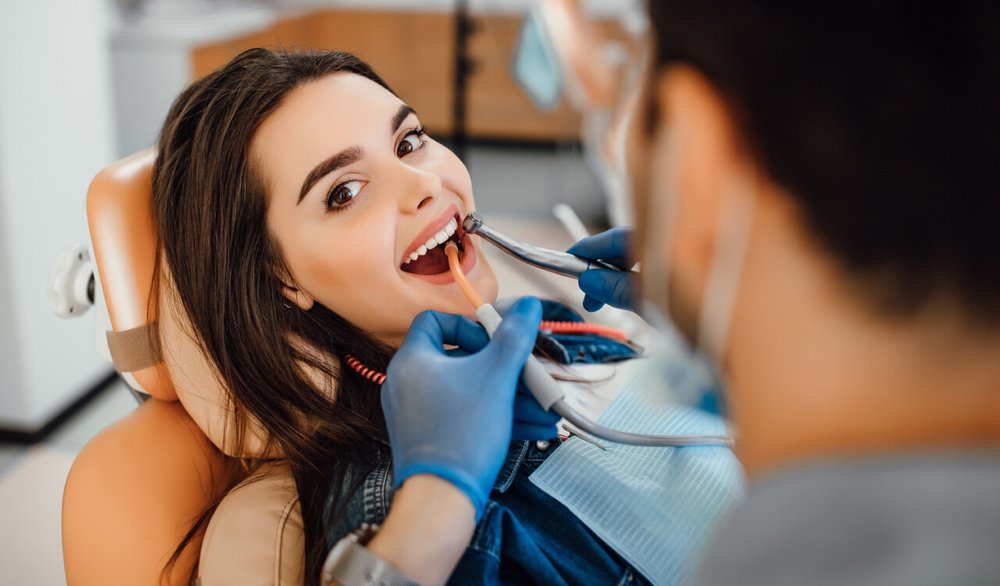
Delaying a routine dental checkup by a few weeks is not automatically dangerous for every healthy person, but repeatedly postponing care can allow preventable problems to become larger and more expensive. The important point is that there is no universal rule saying every adult must see a dentist exactly every six months. Dental recall intervals should be based on the person’s oral-health status and risk. The American Dental Association (ADA) advises that the frequency of dental visits should be tailored to individual needs. Some people may benefit from visits once or twice a year, while others with active gum disease, frequent cavities, certain medical conditions, or other risk factors may need more frequent care. The safest question is therefore not “Can I skip my six-month visit?” but “How long has my dentist recommended I wait based on my own risk, and have any new symptoms appeared?”
Why Dental Checkups Still Matter When Nothing Hurts
A dental visit is not only a professional cleaning. Depending on your needs, it can include: Review of symptoms and medical history; Examination for tooth decay; Gum and periodontal assessment; Evaluation of existing fillings, crowns, implants, or dentures; Oral-cancer screening; Assessment of bite, jaw, and tooth wear; Radiographs when clinically justified; Personalized prevention advice. Some dental disease progresses quietly. Early cavities and periodontal disease may cause little or no pain. Waiting for severe pain before seeking care can mean the problem has already advanced. American Dental Association: Dental Visits emphasizes that there is no one-size-fits-all schedule; some people may need one or two visits a year while others need more. The NHS: Dental Check-ups similarly uses risk-based intervals, ranging from about three months to as long as two years for some adults with good oral health. The safe interval therefore depends on disease history, gum health, caries risk, age, medications, restorations, tobacco exposure, dry mouth, diabetes, and other factors.
Recall Intervals Should Be Based on Individual Risk
Not necessarily. The ADA’s patient guidance says there is no one-size-fits-all schedule. Your dentist should recommend a recall interval based on your oral health and risk factors. The UK National Health Service uses a similar risk-based concept, with recall intervals that can range from about three months to two years for adults depending on oral-health needs. That does not mean the NHS schedule applies everywhere; it simply illustrates that modern dental guidance recognizes individualized intervals rather than a fixed twice-yearly rule for every adult. Who may need more frequent dental visits?. People may need closer monitoring if they have: Active tooth decay; History of frequent cavities; Periodontal disease; Dry mouth; Dental implants requiring close maintenance; Orthodontic appliances; Tobacco use; Certain medical conditions or medications that affect oral health; Difficulty maintaining oral hygiene; Previous extensive dental treatment.
Your dentist may shorten or lengthen the interval as your risk changes.
What Can Happen When Preventive Visits Are Delayed
Small cavities can become larger. Early decay may be manageable with a relatively small restoration. If it progresses deeper into the tooth, treatment can become more complex and may eventually involve the pulp, root-canal treatment, or extraction. Not every cavity progresses at the same rate, so it is impossible to predict from symptoms alone how long it is safe to wait. Gum disease can progress without dramatic pain. Gingivitis can cause bleeding and inflammation. More advanced periodontal disease can damage the tissues and bone supporting the teeth. Because the condition may not produce severe pain early on, periodic assessment is important for people at risk. Existing restorations can fail. Fillings, crowns, bridges, and implants need monitoring. A cracked restoration or recurrent decay around an old filling may initially be subtle. Oral lesions may be missed. Dentists routinely inspect the oral tissues. Persistent ulcers, unusual lumps, color changes, or other abnormalities may need further evaluation. Routine visits are not a guarantee of cancer detection, but they provide another opportunity to identify changes that deserve investigation.
A Short Delay Is Different From Long-Term Avoidance
For a person with no symptoms and low dental risk, a short scheduling delay may not materially change the outcome. For someone with active disease, a broken restoration, gum problems, or a previously identified condition being monitored, the same delay may matter more. If you need to postpone a routine appointment, call the dental office and ask whether the recommended timing is important for a specific reason.
Symptoms That Should Not Wait for a Routine Visit
Some problems should be assessed promptly rather than postponed until the next cleaning. Contact a dentist if you develop: Persistent toothache; Increasing sensitivity; Swelling of the face, jaw, or gums; Broken or knocked-out tooth; Loose adult tooth; Pus, drainage, or bad taste associated with a tooth; Persistent bleeding from the mouth; Ulcer or oral sore that does not heal; Difficulty opening the mouth; New unexplained lump. Severe facial swelling, difficulty breathing or swallowing, uncontrolled bleeding, or major facial trauma can be emergencies and may require urgent medical attention. Why pain is a poor measure of dental health. Many people delay dental visits because nothing hurts. Unfortunately, pain is not a reliable screening tool. Early enamel decay may be painless. Gum disease can advance gradually. A cracked tooth may produce intermittent symptoms. Some infections become painful only after they have progressed significantly. This is why preventive care is designed around risk and examination, not simply waiting for discomfort.
What a Routine Dental Examination Actually Checks
The exact visit varies, but a dentist or dental team may: Ask about changes in your health or medication.; Review pain, sensitivity, bleeding, or other symptoms.; Examine the teeth for decay and structural problems.; Assess the gums and supporting tissues.; Check restorations and prosthetic work.; Inspect oral soft tissues.; Discuss hygiene and dietary risks.; Decide whether radiographs are appropriate.; Recommend a recall interval.
X-Rays, Professional Cleaning, and Individualized Prevention
No. Dental radiographs should be taken when clinically justified. The need depends on age, symptoms, disease risk, dental history, previous findings, and what can be seen during examination. A patient with high cavity risk may need imaging more often than someone with a long history of stable oral health. Professional cleaning and checkups are related but different. A dental examination evaluates health and diagnoses problems. A professional cleaning removes plaque and calculus that cannot be fully removed by ordinary home brushing and flossing. The frequency of periodontal maintenance or hygiene appointments may differ from the examination schedule, particularly for patients treated for gum disease. What if your teeth look clean?. Clean-looking teeth do not rule out: Decay between teeth; Early periodontal disease; Cracks; Problems beneath old restorations; Impacted teeth; Oral soft-tissue changes. Good home care lowers risk but does not replace professional assessment. Can good brushing let you visit less often?. Excellent oral hygiene may contribute to lower disease risk, which can influence the interval your dentist recommends. But risk also depends on saliva, diet, fluoride exposure, medical history, previous decay, gum condition, smoking, medications, and genetics.
The ADA recommends brushing twice daily with fluoride toothpaste and cleaning between teeth regularly. Those habits support prevention but do not create a universal “safe” number of years between exams.
Children, Pregnancy, Diabetes, and Dry Mouth
Children’s recall intervals should also be individualized. Tooth decay can develop quickly in children at high risk, while preventive guidance may change as permanent teeth erupt and orthodontic needs become clearer. Parents should follow the schedule recommended by the child’s dentist rather than assuming the adult schedule applies. Dental care during pregnancy. Pregnancy is not a reason to avoid necessary dental care. Hormonal changes can affect gums, and untreated infection should not simply be left until after delivery. Tell the dental team that you are pregnant and provide relevant medical information. Your dentist and obstetric clinician can coordinate if complex treatment or medication decisions are needed. Diabetes and oral health. People with diabetes may have increased risk of periodontal problems, especially when blood glucose is poorly controlled. The relationship is complex and individual. If you have diabetes, inform your dentist and follow the recall interval recommended for your condition rather than automatically extending visits. Dry mouth increases dental risk. Saliva helps protect teeth. Dry mouth can occur because of medications, medical conditions, radiation treatment, or other causes and may increase cavity risk. If your mouth frequently feels dry, mention it at the dental visit. Prevention strategies can include fluoride, hydration, medication review, and other individualized measures.
Fear, Cost, and Other Reasons People Delay Care
Dental anxiety is a common reason people delay care. Avoidance can make the eventual visit more difficult if problems progress. When booking, tell the practice about your anxiety. Ask whether they offer: Longer appointments; Step-by-step explanations; Break signals; Comfort measures; Sedation options where appropriate. A practice such as Serenity Oaks Dental or another local dental office can explain the specific options it offers, but patients should choose a licensed dentist based on their own location, needs, and insurance arrangements. What if cost is the reason you are delaying?. Cost can be a real barrier. If you cannot afford the full recommended treatment, ask the dentist to separate urgent problems from work that can safely be scheduled later. Possible resources can include: Dental schools; Community clinics; Public-health dental programs; Payment plans; Insurance preventive benefits. Do not assume that avoiding an examination will save money. Early treatment is often less extensive than treatment after disease progresses.
Returning to the Dentist After a Long Gap
If it has been years since your last dental appointment, there is no benefit in feeling embarrassed. Tell the practice how long it has been and whether you have symptoms. Bring: Medication list; Relevant medical history; Previous dental records or radiographs if available; Insurance information; A list of current concerns. The first visit may focus on assessment and treatment planning rather than completing every issue at once.
How Dentists Decide the Right Recall Interval
There is no responsible universal answer. The appropriate interval depends on your disease risk and current findings.
| Situation | What to do |
|---|---|
| No symptoms, low risk, routine appointment delayed briefly | Reschedule and follow your dentist’s recommended interval |
| Known untreated cavity or gum disease | Ask the dental office how soon follow-up is needed |
| Persistent pain or swelling | Seek prompt dental evaluation |
| Major swelling, breathing difficulty, or facial trauma | Seek urgent medical/dental care |
Why are you recommending this recall interval?; What are my main risk factors?; Are any problems currently being monitored?; What symptoms should make me return earlier?; How often do I need professional cleaning?; Do I need fluoride or other preventive treatment?. How dentists decide your recall interval. A recall recommendation should reflect the likelihood that a clinically important problem could develop before the next examination. Dentists consider the pattern of disease over time rather than only what the mouth looks like on one day. Someone who has had several new cavities in the last two years is different from someone who has remained stable for a decade. Factors that may shorten the interval include active decay, poor plaque control, periodontal pockets, rapid calculus buildup, tobacco use, xerostomia, high-sugar exposure, complex restorative work, and difficulty attending to home care. A stable patient with consistently good oral health may be able to extend the interval under professional guidance. The interval can also change. A dentist may recommend closer review while disease is active and then lengthen the schedule after treatment and improved risk control. This is why copying another person’s dental schedule is not useful.
American Dental Association: Home Oral Care supports tailoring prevention to individual risk rather than assuming that excellent brushing eliminates the need for professional review. Daily fluoride toothpaste, interdental cleaning, diet, tobacco avoidance, and management of dry mouth all matter, but they cannot reliably detect every cavity, periodontal change, failing restoration, or oral lesion at home.
What You Can Do Between Dental Visits
What happens at home has a major effect on whether delaying a visit becomes risky. The ADA recommends brushing twice daily with fluoride toothpaste and cleaning between teeth. Dietary frequency matters too: repeated exposure to fermentable carbohydrates and sugary drinks can increase acid attacks on teeth even when the total amount of sugar is not extreme. Replace a toothbrush or brush head when the bristles are worn, and use any prescription fluoride or periodontal products exactly as directed. If your dentist has recommended a night guard, interdental brush, water flosser, or other device for a specific problem, use it consistently rather than assuming the next checkup will compensate for poor daily care. Final takeaway. Delaying a dental checkup is not equally risky for everyone. Modern guidance supports individualized recall intervals rather than a rigid six-month schedule for every adult. The safest interval depends on your history of cavities, gum health, restorations, medical conditions, medications, smoking, oral hygiene, and current findings. If you are symptom-free and simply need to move a routine appointment a short time, contact your dental office and reschedule. If you have pain, swelling, bleeding, a broken tooth, or another new problem, do not wait for the next routine checkup.
Conclusion
Delaying a dental checkup is not automatically dangerous, but the safe interval depends on the person’s oral-health risk rather than on a universal six-month rule. Someone with stable oral health may be advised to return less often, while a person with active gum disease, frequent cavities, dry mouth, diabetes, complex restorations, pregnancy-related concerns, or previous oral disease may need closer follow-up. Pain is a poor screening tool because many dental problems progress quietly. The safest approach is to follow the recall interval recommended after an actual dental assessment and to seek earlier care if new pain, swelling, bleeding, trauma, or suspicious mouth changes develop.