
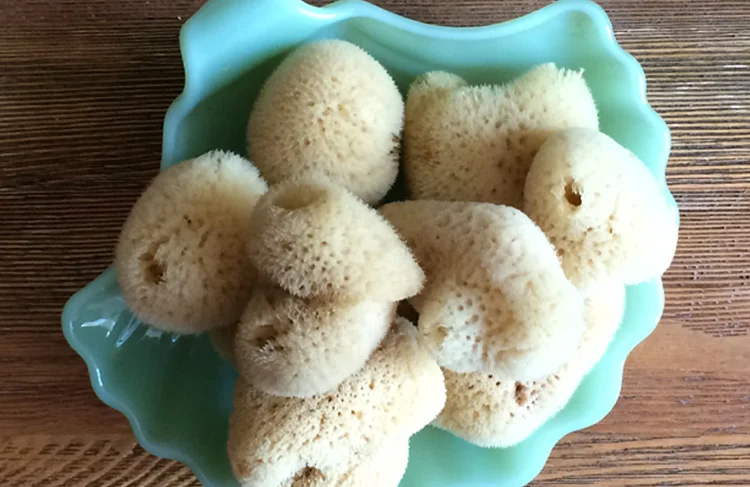
Natural sea sponges have been appreciated for centuries thanks to their exceptional softness, impressive durability, and environmentally friendly nature. Unlike synthetic alternatives, they are completely natural products harvested from the sea, making them a sustainable choice for everyday use. Whether you rely on them for bathing, skincare routines, household cleaning, or even artistic purposes, taking proper care of your sea sponge is essential. With the right maintenance, a high-quality sponge can remain hygienic, functional, and pleasant to use for many months. Because sea sponges are living organisms with intricate porous structures, they require gentle handling combined with regular cleaning to preserve their natural qualities.
Why Cleaning Your Sea Sponge Matters
Sea sponges are highly absorbent by nature, which is one of their greatest advantages—but also one of their vulnerabilities. Their porous structure allows them to retain water, soap residue, skin oils, and tiny particles from their surroundings. Over time, this buildup can lead to unpleasant odors and may even encourage the growth of bacteria if not properly managed. Regular cleaning is therefore not just about keeping the sponge looking fresh—it plays a crucial role in maintaining hygiene and ensuring safe, long-term use. A well-cared-for sponge will stay soft, flexible, and free from contaminants, making it both more effective and more enjoyable to use.
How to Clean a Sea Sponge
Keeping your sea sponge clean does not require complicated steps, but consistency is key. A combination of daily care and occasional deep cleaning will help maintain its quality and extend its lifespan significantly.
Daily Rinsing
The most important habit you can develop is rinsing your sponge thoroughly after every use. This simple step prevents the accumulation of soap, dirt, and oils before they have a chance to settle into the sponge’s fibers.
Start by holding the sponge under warm running water. Gently squeeze it several times, allowing the water to flow through its pores and flush out any trapped residue. Continue this process until the water runs clear and the sponge feels clean to the touch. Once rinsed, shake out any excess water and place the sponge in a well-ventilated area where it can dry naturally.
It is important to avoid twisting or wringing the sponge aggressively. While it may seem like a quick way to remove water, harsh handling can damage the delicate internal structure and shorten the sponge’s lifespan. Gentle squeezing is always the safer approach.
Deep Cleaning Methods
Even with regular rinsing, sea sponges benefit from a deeper cleaning routine about once a week. This helps remove any lingering impurities and keeps the sponge fresh and odor-free.
Saltwater Method
One of the most natural and effective ways to clean a sea sponge is by using saltwater. Simply dissolve one tablespoon of sea salt in a bowl of warm water. Place the sponge in the solution and let it soak for about 10 to 15 minutes. The salt works to draw out impurities and cleanse the sponge without harming its natural fibers.
After soaking, rinse the sponge thoroughly with clean water to remove any salt residue. Gently squeeze out excess moisture and allow it to air dry in a ventilated space. This method is particularly useful for maintaining the sponge’s softness and overall structure.
Vinegar Method (for Odors)
If your sponge develops an unpleasant smell, a vinegar solution can help neutralize it effectively. Mix one part white vinegar with three parts water and soak the sponge for approximately 10 minutes. Vinegar has natural antibacterial properties and helps eliminate odors at their source.
After soaking, rinse the sponge thoroughly to ensure no vinegar smell remains. As always, gently squeeze out excess water and allow it to dry properly. This method can be used occasionally whenever odors appear.
Drying Properly
Drying is just as important as cleaning when it comes to maintaining a sea sponge. A damp environment can encourage mold and bacterial growth, undoing the benefits of cleaning.
After each use, gently squeeze out as much water as possible without damaging the sponge. Place it in a dry, airy location where air can circulate freely around it. Avoid leaving the sponge in enclosed containers, on wet surfaces, or in consistently humid areas such as the bottom of a shower.
Proper airflow ensures that the sponge dries completely between uses, which is essential for preventing unwanted odors and maintaining hygiene.
When to Replace Your Sponge
Even with excellent care, natural sea sponges do not last indefinitely. Over time, they will begin to show signs of wear. If your sponge becomes brittle, develops a persistent odor that does not go away after cleaning, or starts to break apart, it is a clear indication that it is time for a replacement.
Using a worn-out sponge can reduce effectiveness and may compromise hygiene, so it is best to replace it when these signs appear.
Final Thoughts
Cleaning a sea sponge is a simple yet essential part of maintaining its quality and usability. By incorporating regular rinsing into your routine, performing occasional deep cleaning, and ensuring proper drying, you can keep your sponge fresh, soft, and long-lasting. With consistent care, a natural sea sponge remains a sustainable, luxurious, and highly practical tool for bathing, cleaning, and more—bringing both comfort and environmental benefits to your daily routine.